Bohol Tarsier Conservation Area: Eyes Bigger Than Its Brain
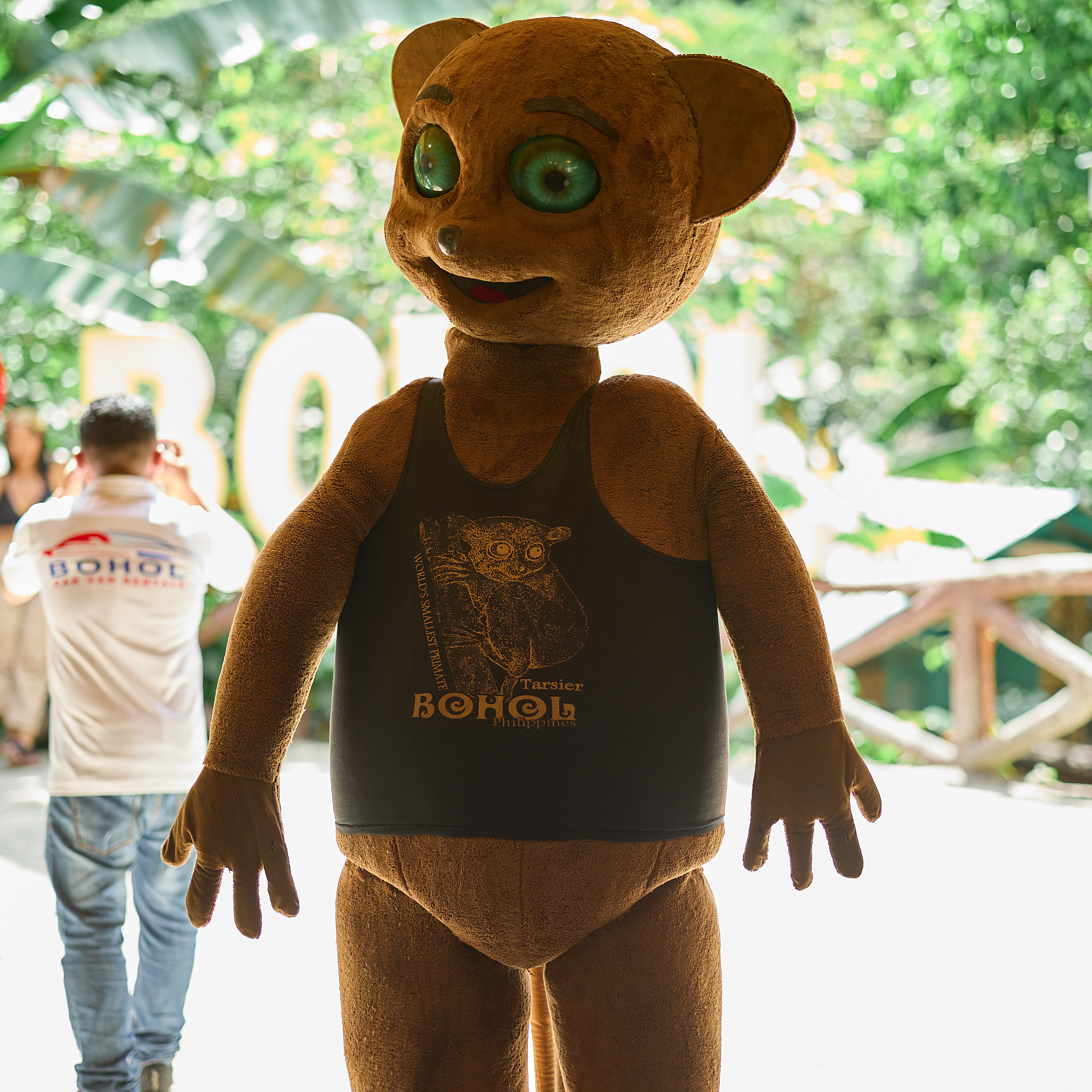
The first tarsier I met in Bohol had green eyes, a fixed smile and a shirt.
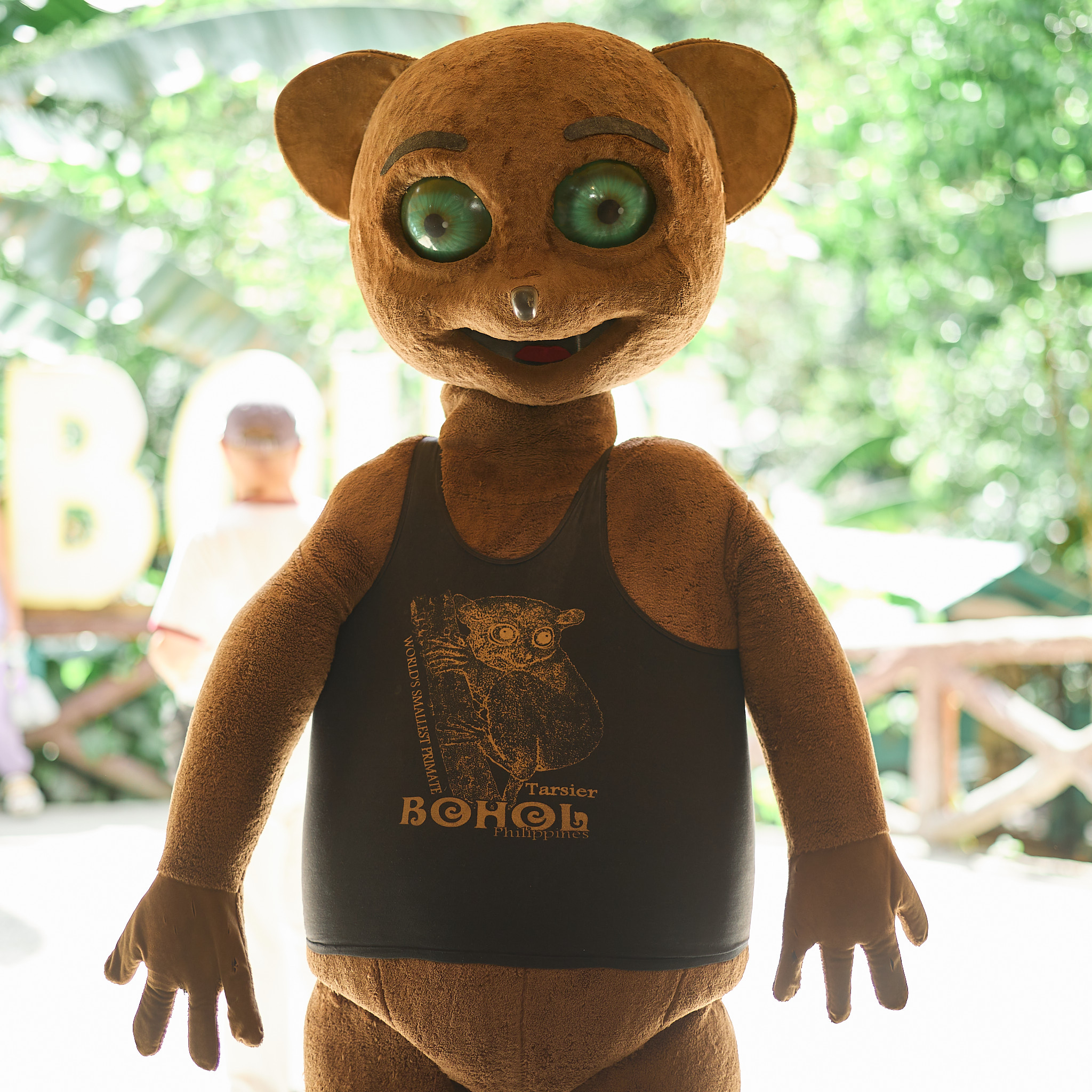
Printed on the shirt, beside a drawing of a more realistic tarsier, were the words WORLD’S SMALLEST PRIMATE.
The shirt was wrong twice.
The tarsier wearing it was the size of a person. And the world’s smallest primate is not a tarsier at all, but Madame Berthe’s mouse lemur, from Madagascar. The Philippine tarsier is small, just not that small.
This was the Bohol Tarsier Conservation Area, in Bilar, in the interior of Bohol, where Philippine tarsiers spend the day in the trees beside a footpath. Their representative at the entrance, I suspect, stops a certain number of younger visitors from ever reaching them.
Keep it down
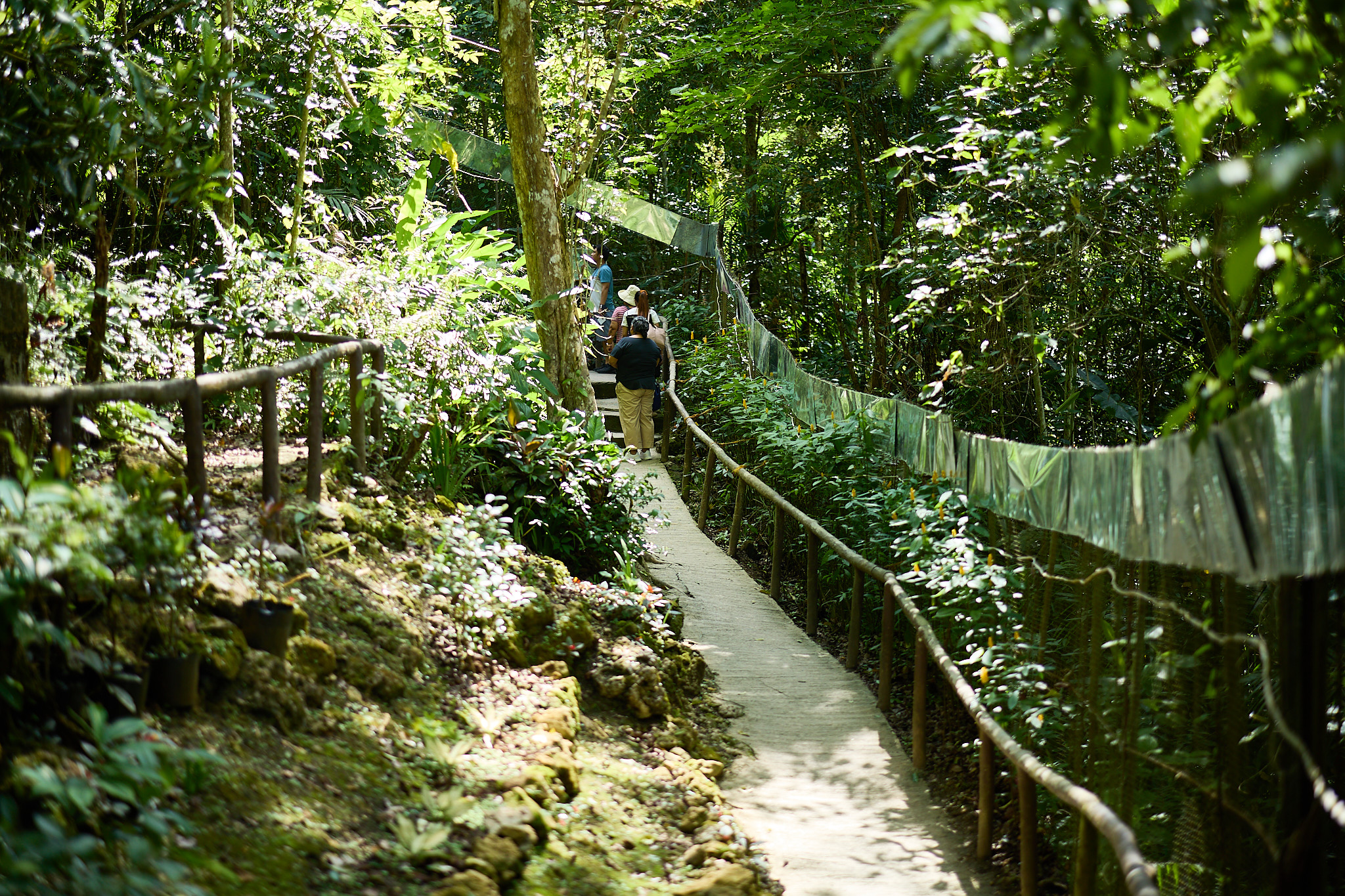
Inside, the rule was silence. Tarsiers, we were told, cope very badly with stress, so visitors were not to make a sound. Nor were they to get close. That was for the staff.
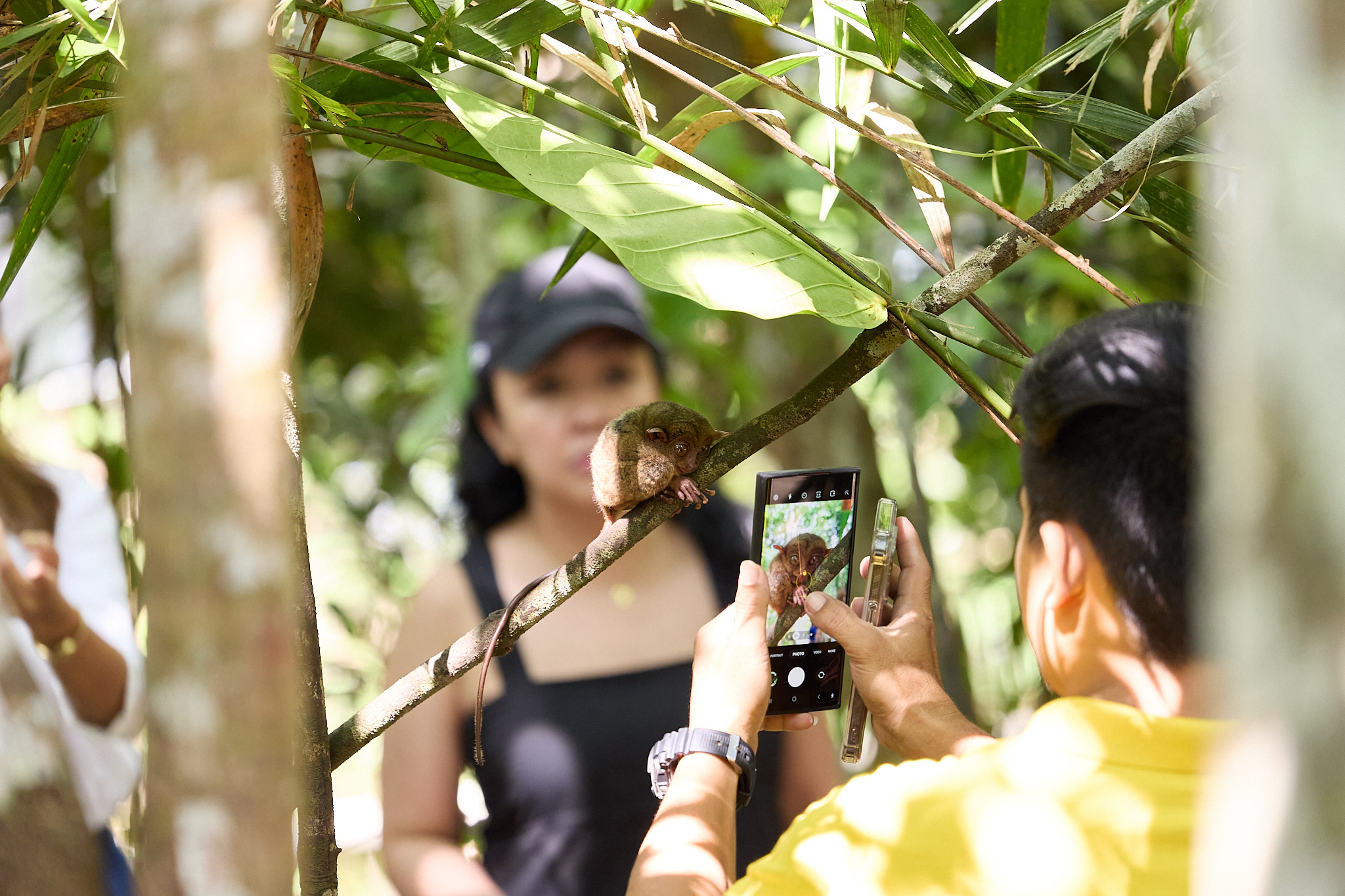
Visitors handed over their phones, and a member of staff leaned in and took the close-ups for them.
The real thing
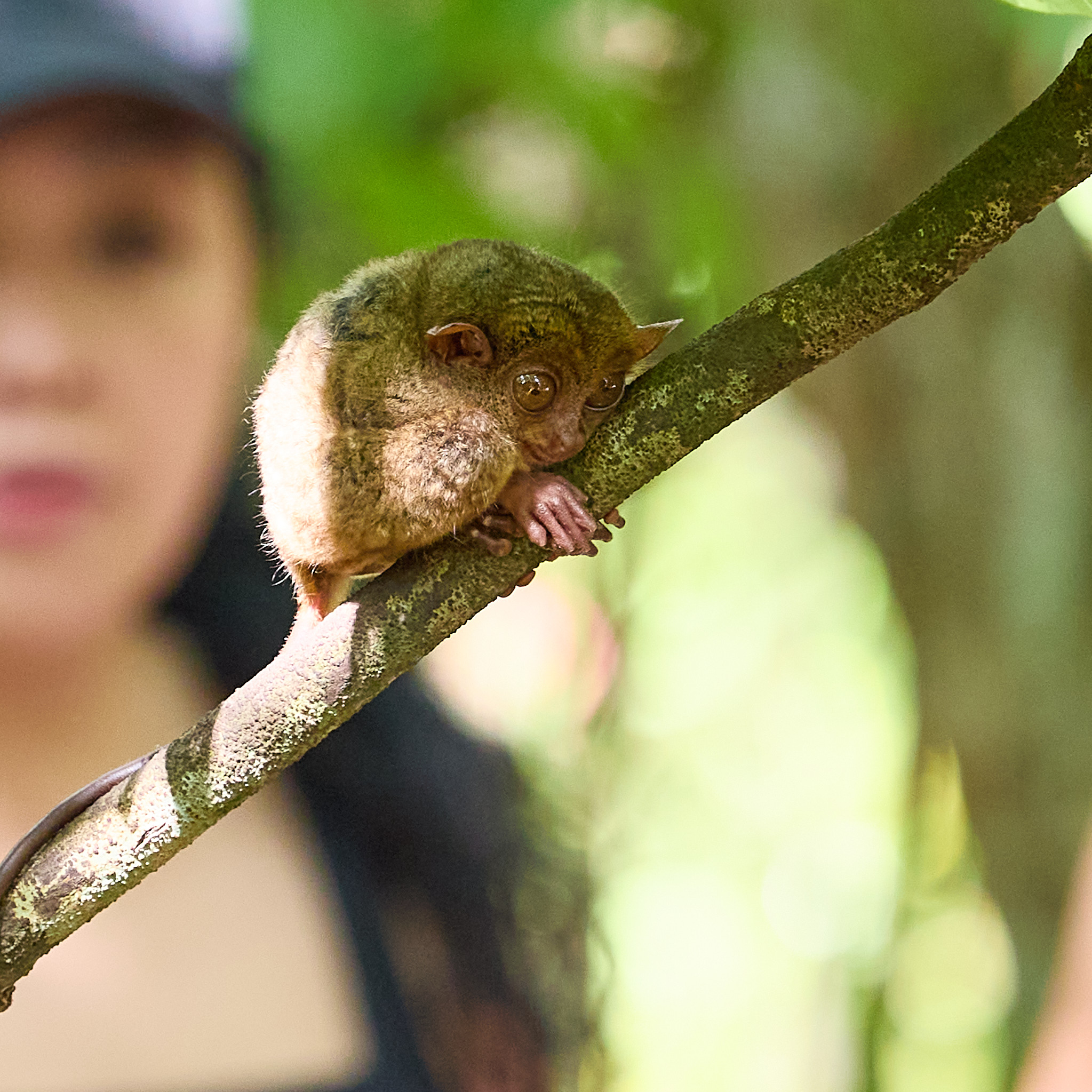
A Philippine tarsier weighs around 110 to 140 grams. It does not have a fixed smile, and it does not wear clothes. On almost every count, the mascot had exaggerated.
Except the eyes. A single tarsier eyeball is bigger than its brain.
On that point, the mascot had held back.
The day shift
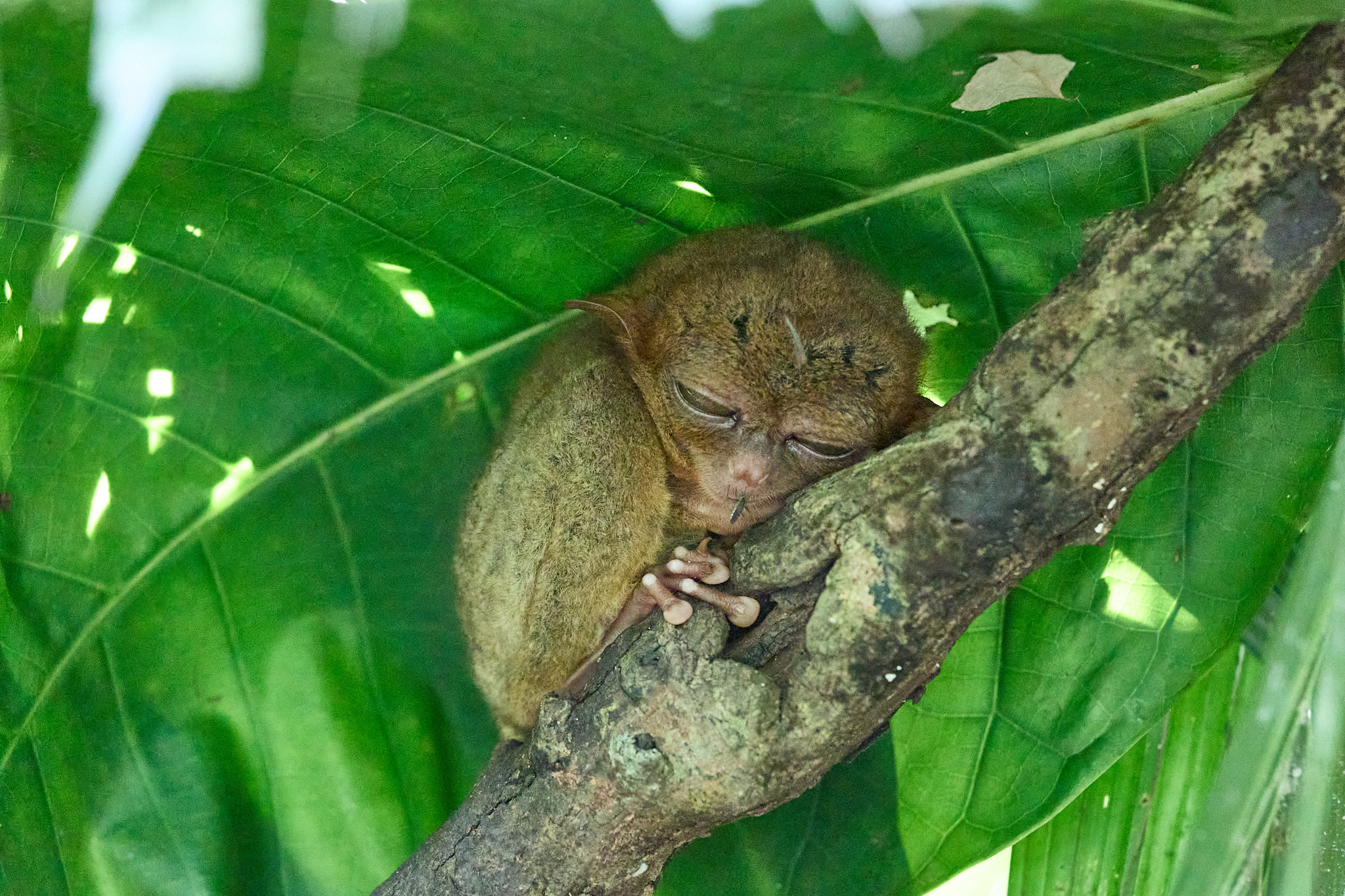
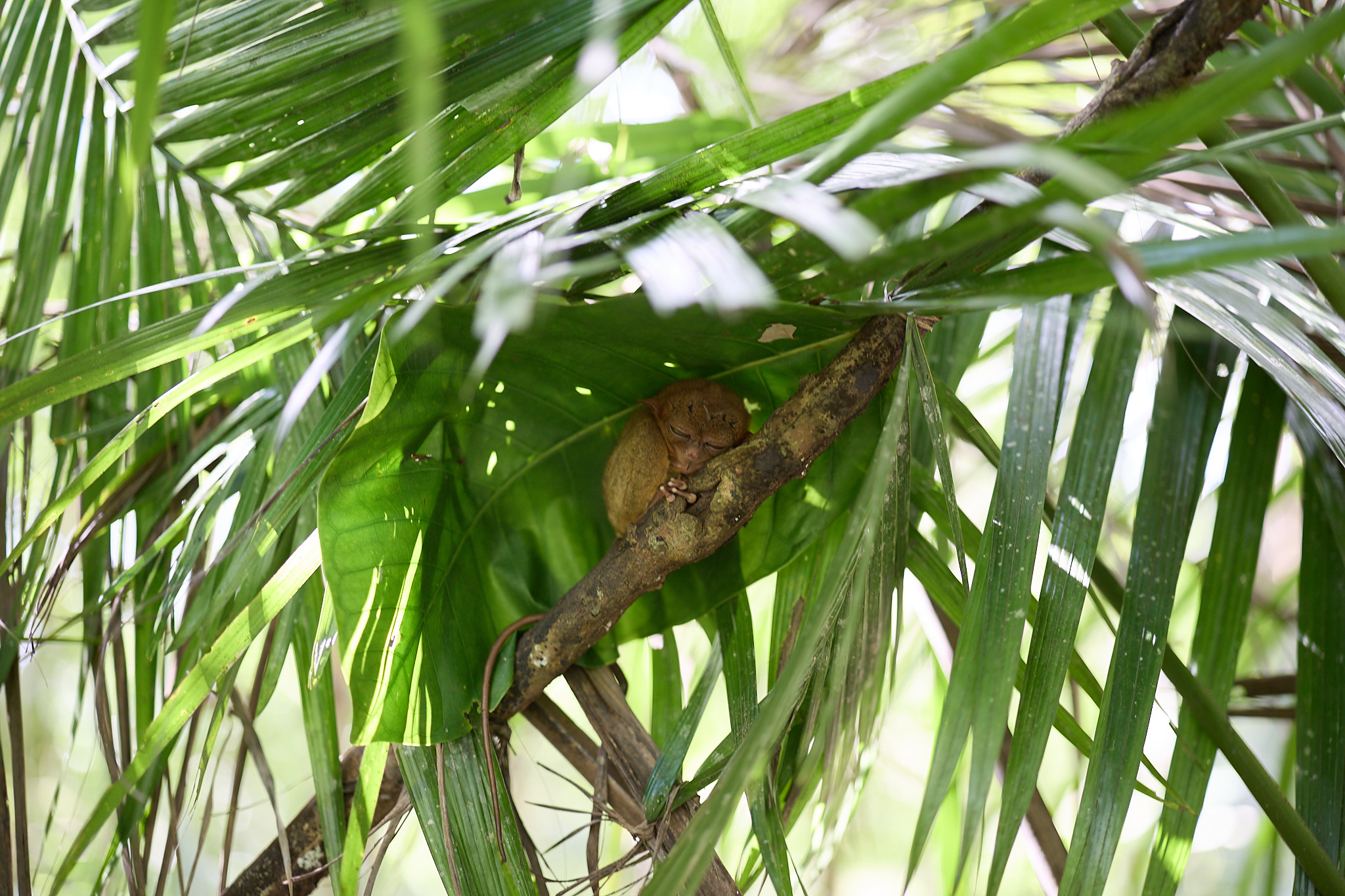
This one kept its eyes shut. Tarsiers are nocturnal, and the afternoon is their night.
After dark, I was told, they are a different animal. In a study at Corella, elsewhere on Bohol, researchers tracked wild tarsiers through the night. On average, the males covered more than a kilometre and a half a night, and the females more than a kilometre.
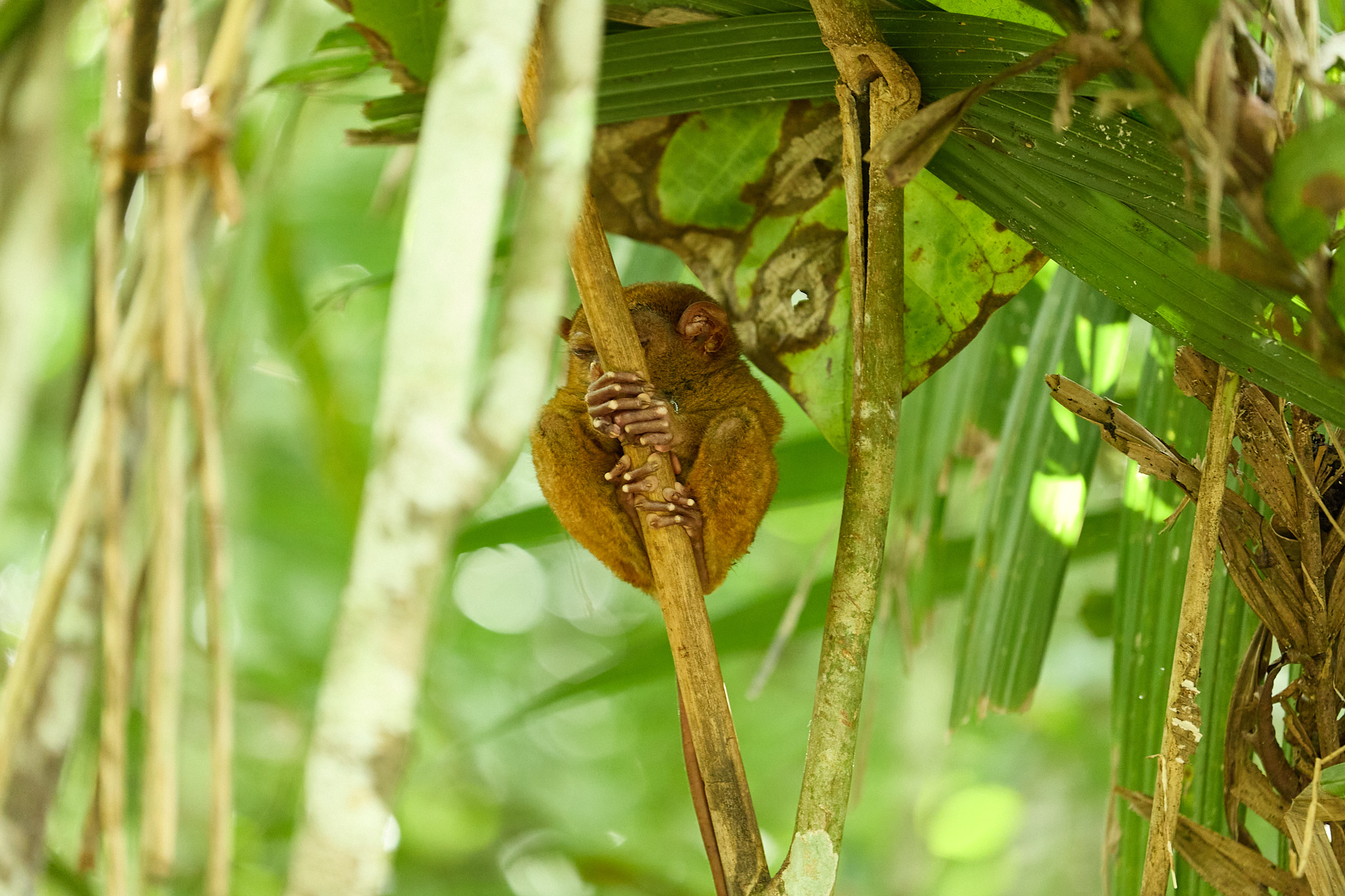
The long fingers, and the long ankle bones the tarsier is named after, are made for leaping from tree to tree.
Their voices are harder to catch. Philippine tarsiers have been recorded calling at around 70 kilohertz, far above the range of human hearing.
The visitors kept quiet. The forest, for all we could tell, may not have.
After hours

My guide on this private tour had shown me round cheerfully, with jokes along the way, some of them on the dark side.
By nightfall, the visitors would be gone, and the tarsiers would be getting up for the night shift.
Presumably, the mascot went home too.
Visit this place
Location
Bohol Tarsier Conservation Area
In Villa Aurora, Bilar, in the interior of Bohol
Villa Aurora, Bilar, 6317 Bohol, Philippines
Practical Information
- Visiting
- Philippine tarsiers are viewed by day from a footpath through the trees. At the time of a 2023 visit, visitors were asked to keep quiet, and only staff went close to the animals.
- Visitor note
- Not the same place as the Philippine Tarsier Sanctuary in Corella, also on Bohol.
Information last checked: October 19, 2026 (Location checked on Google Maps. Opening hours and admission prices are not stated.)
Conversation
Comments
Review pending commentsComments are reviewed before appearing. The internet already contains enough unattended surprises.
Loading comments…
Leave a comment