Cebu Safari: The Pig with the Island in Its Name
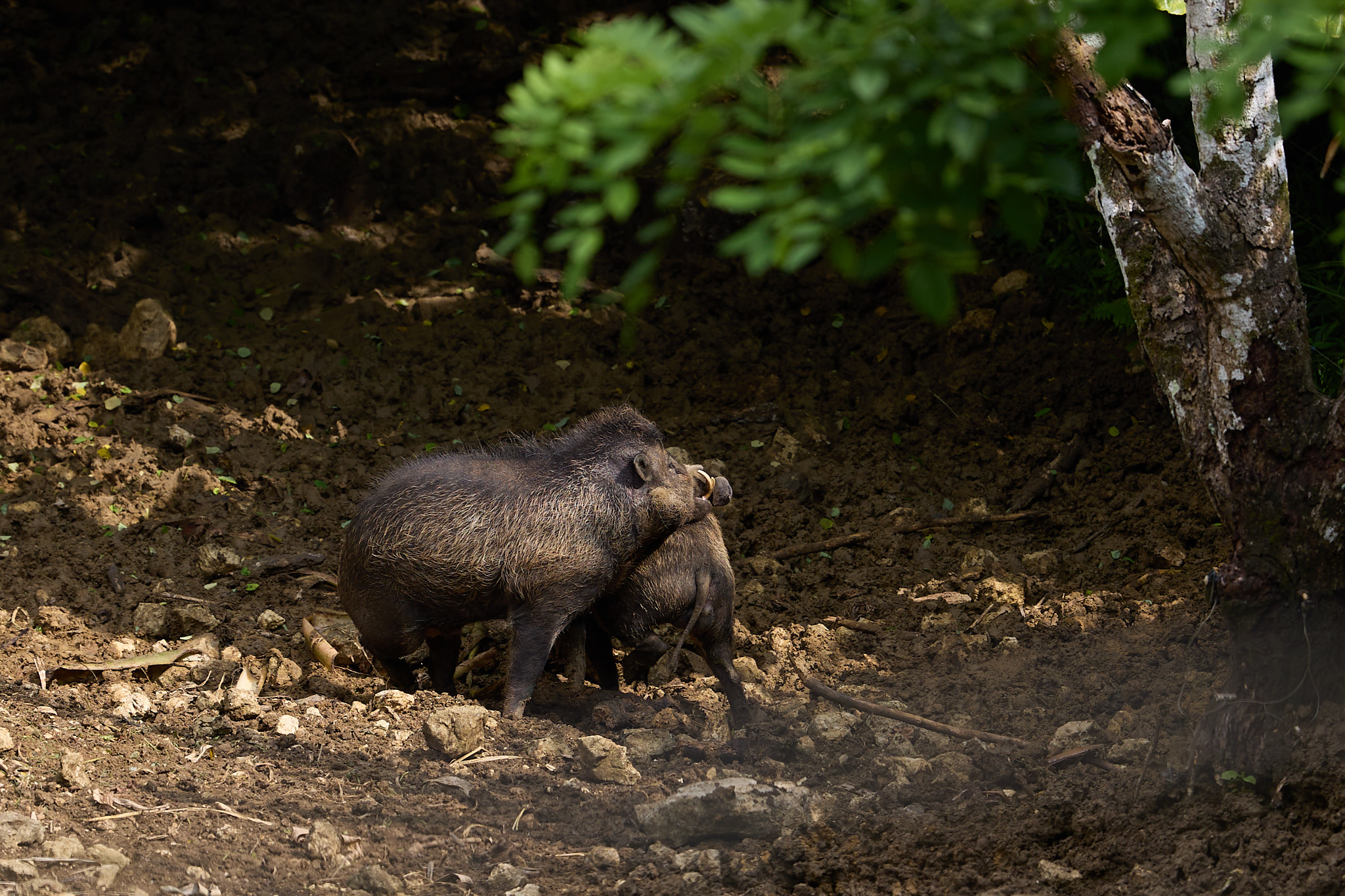
By the pig enclosure, a sign said that the Visayan warty pig is “found only on two islands in the Philippines (Panay and Negros).”
The sign stood on Cebu, which is a third island. In a zoo, that would hardly be worth mentioning, except for the pig’s scientific name: Sus cebifrons. The cebi- appears to be Cebu. The species was first described, in 1888, from a specimen collected on this island.
The sign was still right. Wild warty pigs were last reported on Cebu in the 1960s, and today they survive only on Negros and Panay. On the island that seems to have given them their name, there were two, behind a fence.
In the hills of Carmen
Cebu Safari and Adventure Park sits in the hills of Carmen, about an hour’s drive north of Cebu City. It opened in 2018, the idea of Michel J. Lhuillier, an orchid collector, and his business partner, Eduard J. Loop. The park gives its size as 170 hectares, and its population as more than a thousand animals of 127 species.
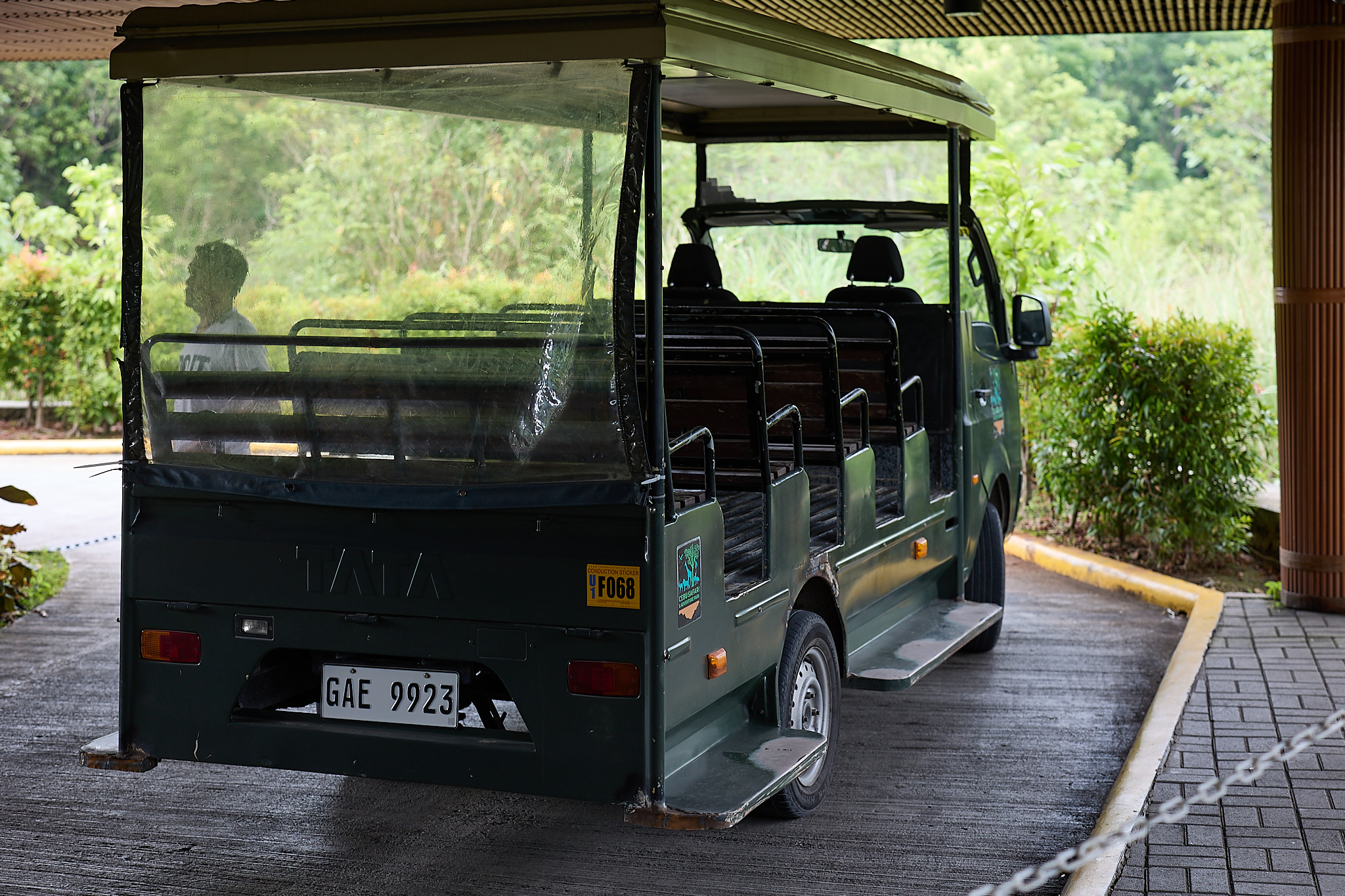
The park is built on the slopes themselves. Big cats, apes, aviaries, gardens and a bird show are spread across them, and getting from one to the next means going steeply up or steeply down. On some stretches, the tram is less a convenience than a necessity.
It was my last day in Cebu, and I went by hired car. The road climbs and winds, and the driver took the bends at a speed that left the “Adventure” in the park’s name feeling already taken care of. It rained hard that day, stopped, and rained hard again.
On the paths
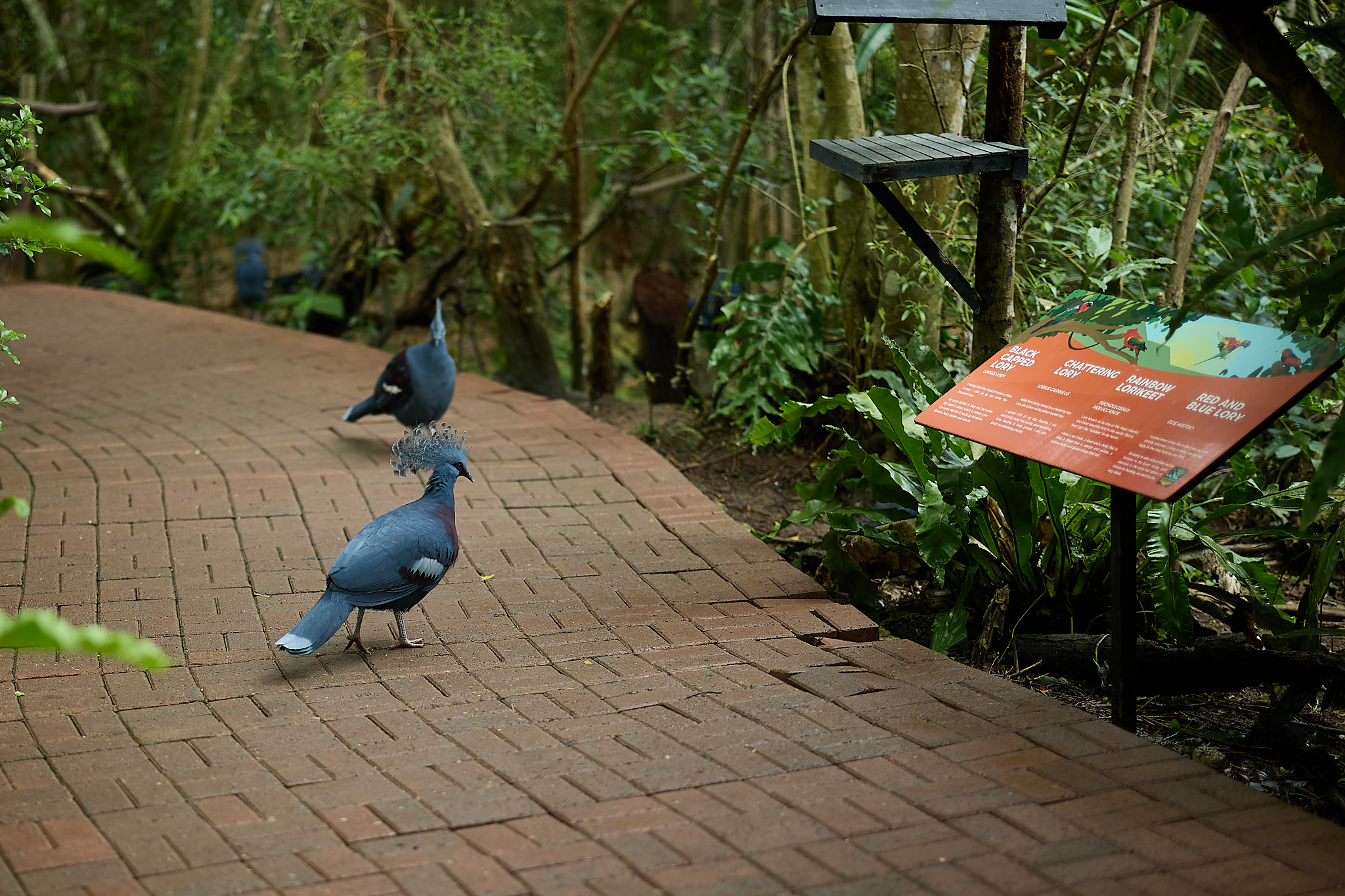
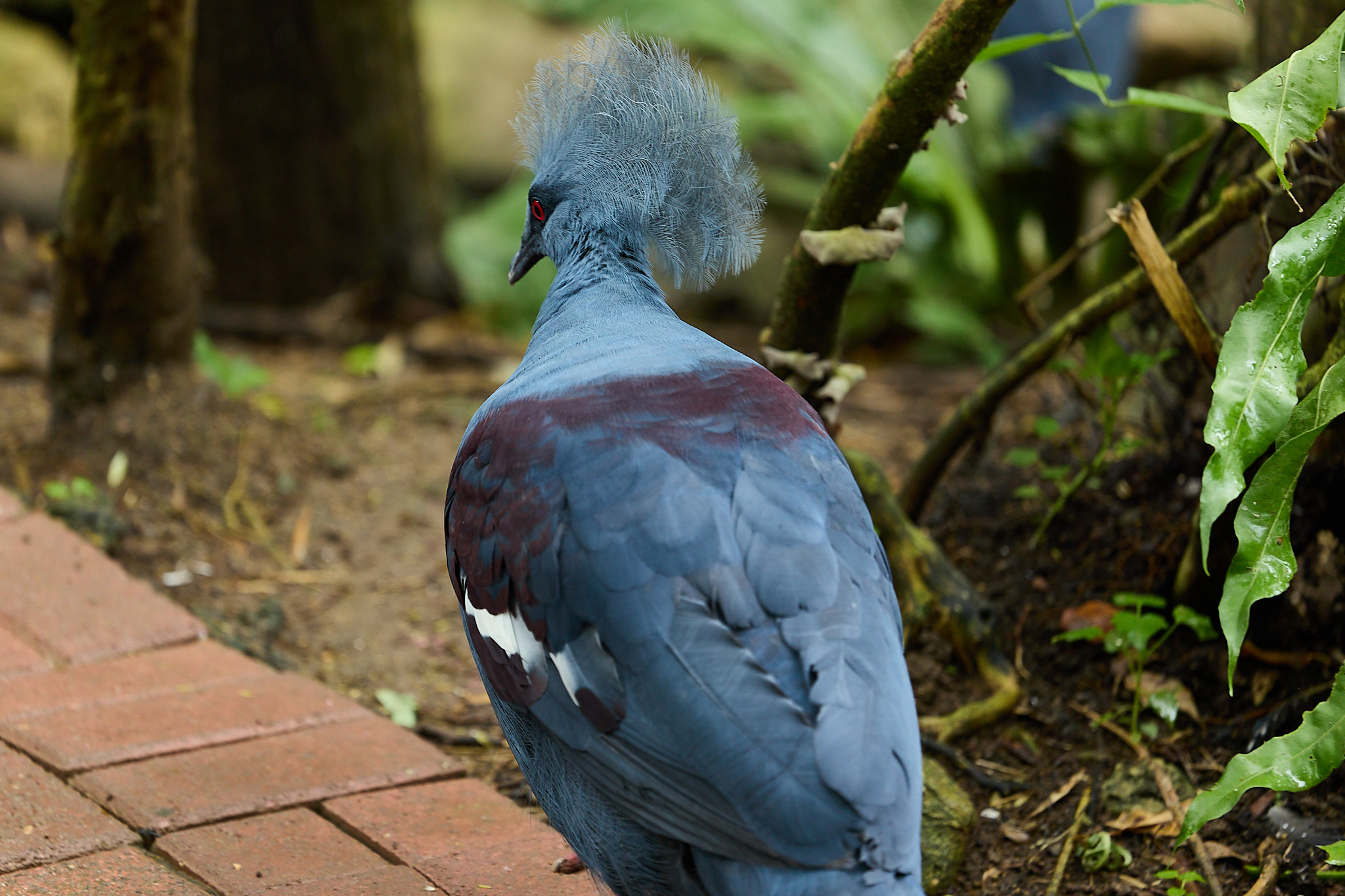
Some of the birds shared the paths with the visitors. Two crowned pigeons stood on the brick paving beside another sign, which was about lories. Crowned pigeons are from New Guinea, and they are pigeons, although the lace on their heads makes that hard to believe.
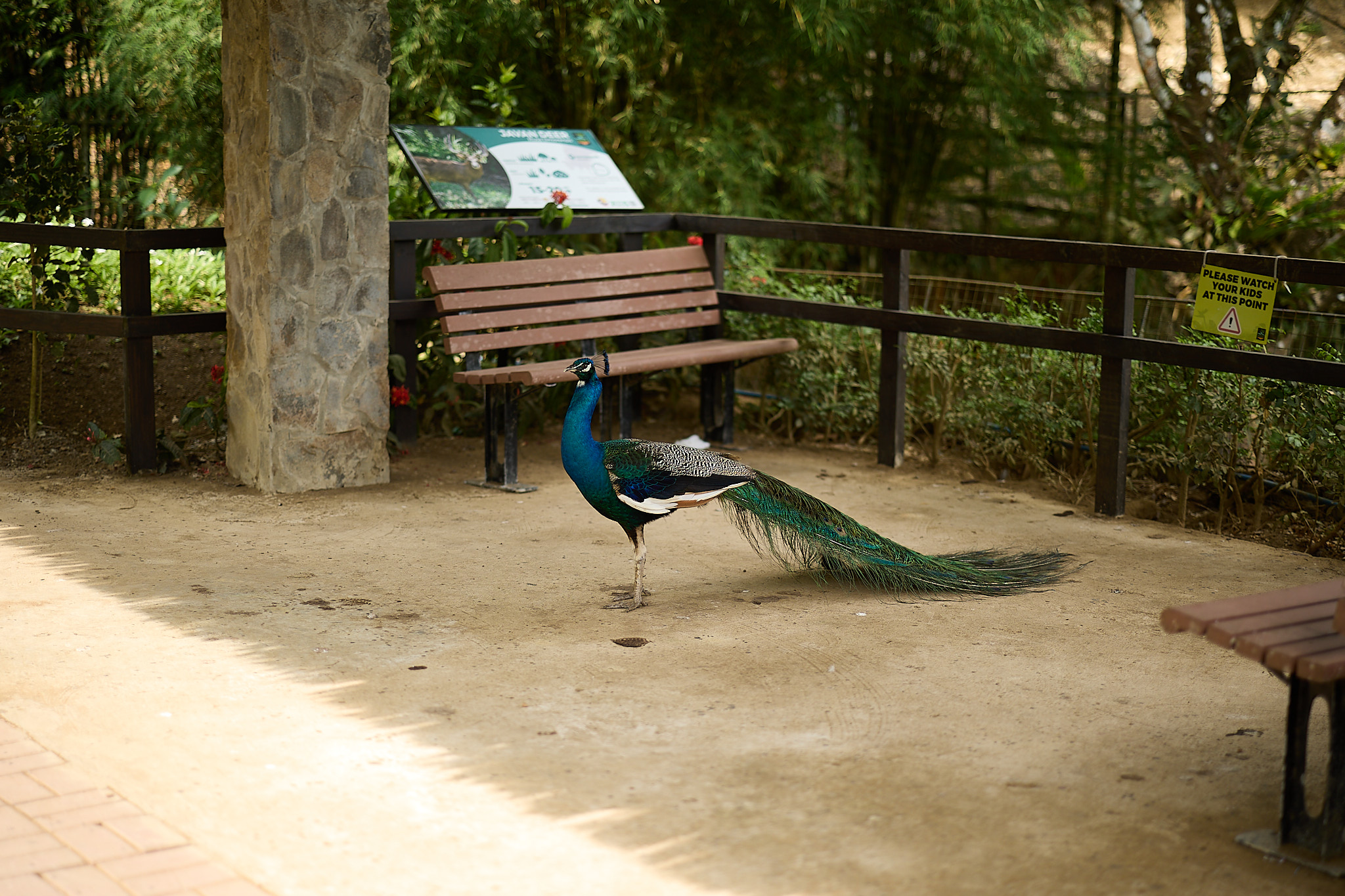
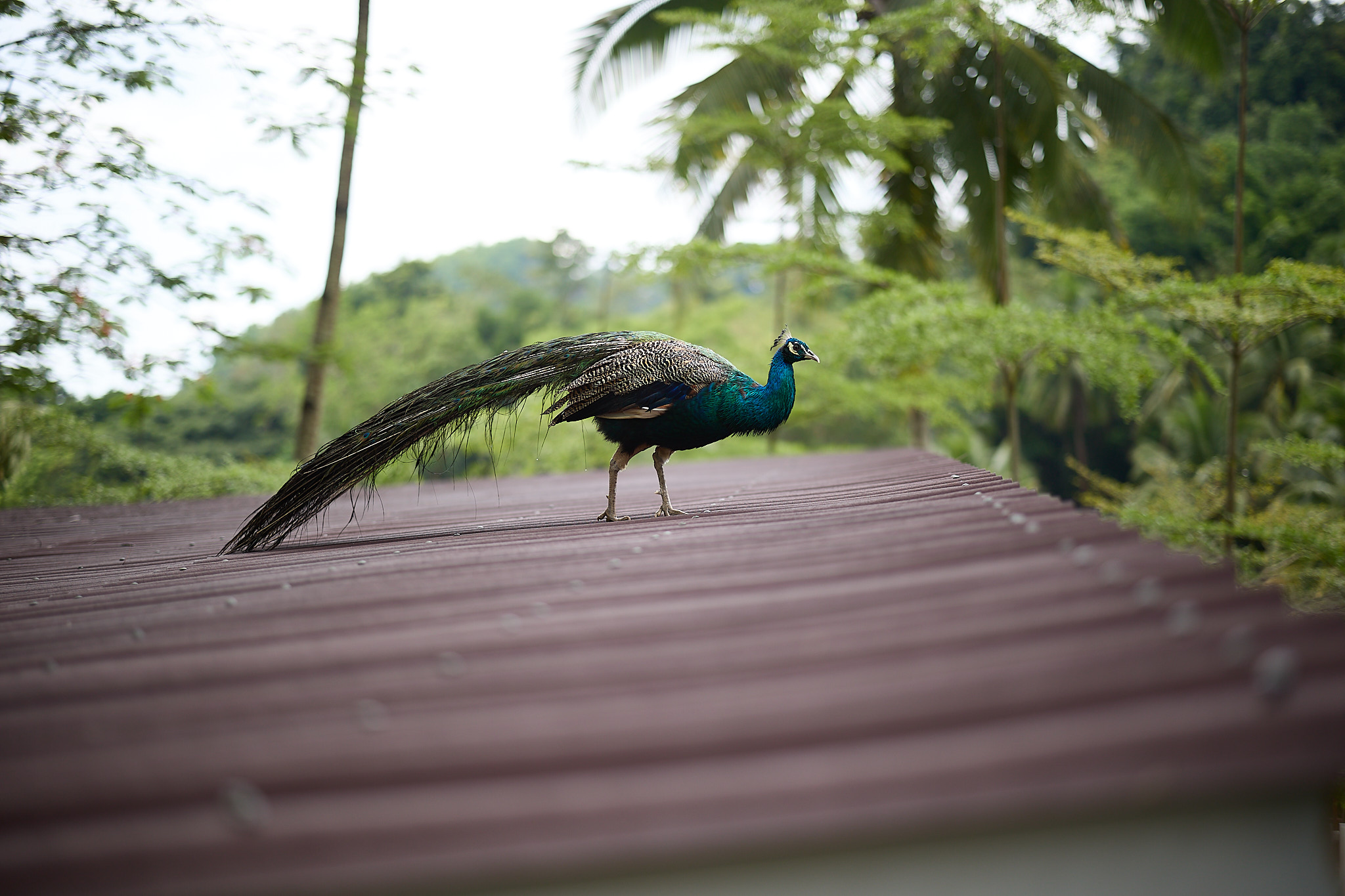
A peacock stood by the benches, next to a notice on the fence: PLEASE WATCH YOUR KIDS AT THIS POINT. It did not say why. Another peacock had got onto a roof. Peafowl fly, and at night they roost high in trees, so a roof was well within range.
White, with stripes
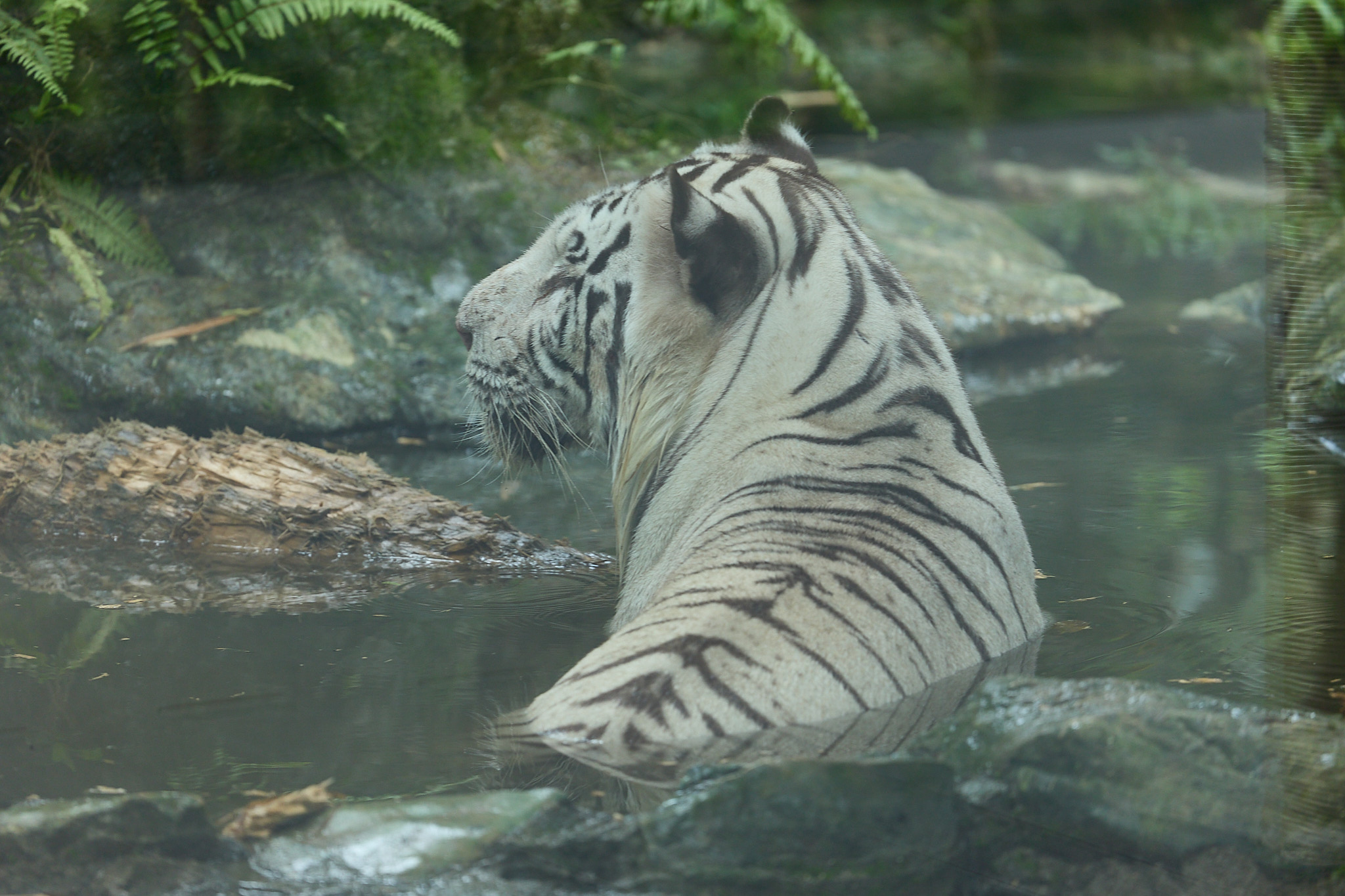
Unlike most cats, tigers seek out water. The white tiger at the top of this page was in up to its shoulders.
White tigers are not a species of their own, nor are they albinos. The park calls them White Bengal Tigers. What makes them white is a single change in one pigment gene, which mostly blocks red and yellow and does little to black, so the stripes stay. The last white tiger known to have been seen in the wild was shot in 1958. In captivity, there are plenty.
Leaf umbrellas
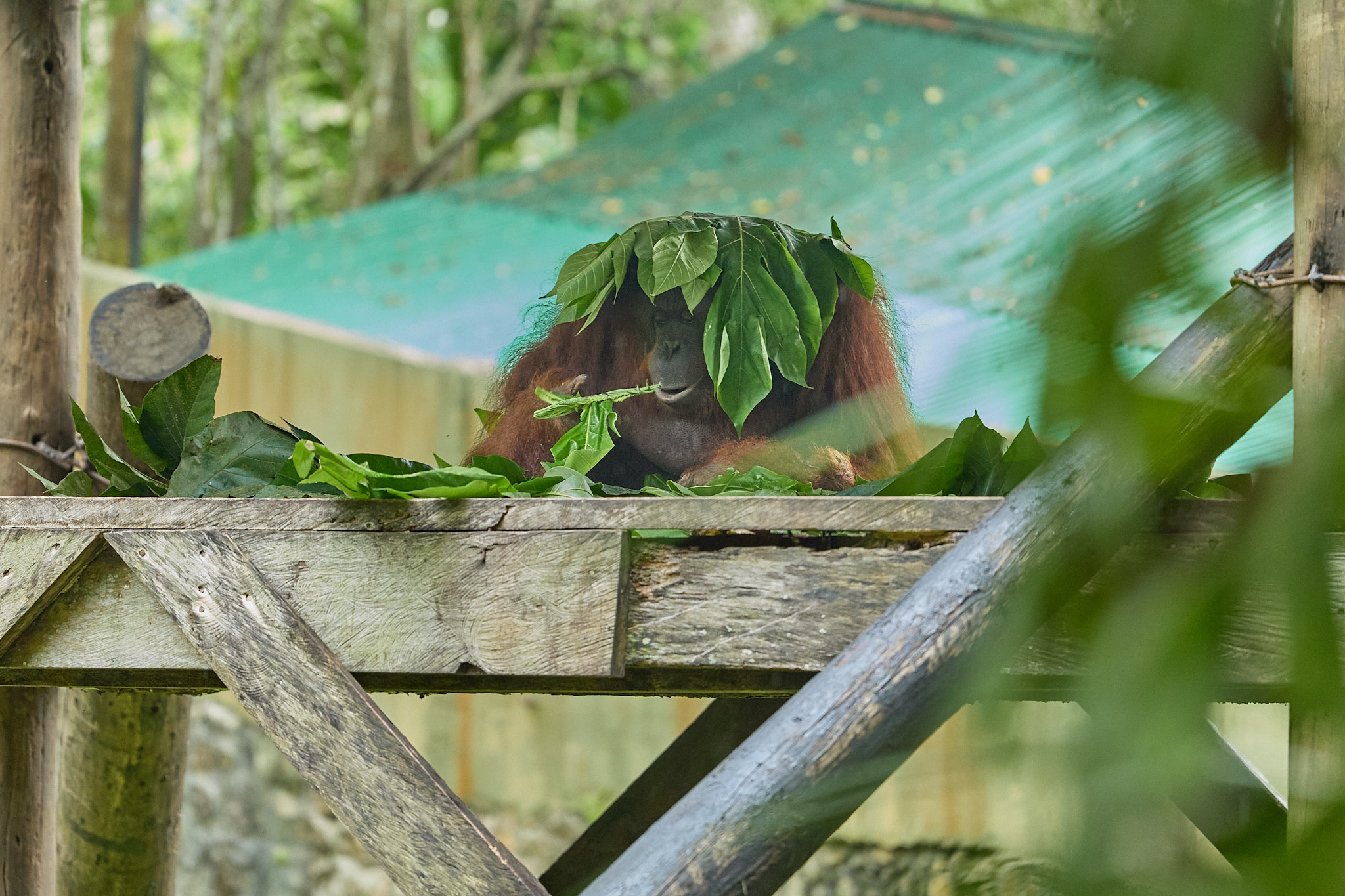
An orangutan sat on a wooden platform under a hat of leaves, with more leaves in its mouth.
Wild orangutans have been seen covering their heads with large leaves or leafy branches, most often in the rain, sometimes in play. Researchers call these leaf umbrellas. It was certainly the weather for one. Whether this orangutan was staying dry, playing, or just keeping lunch within reach, I could not tell.
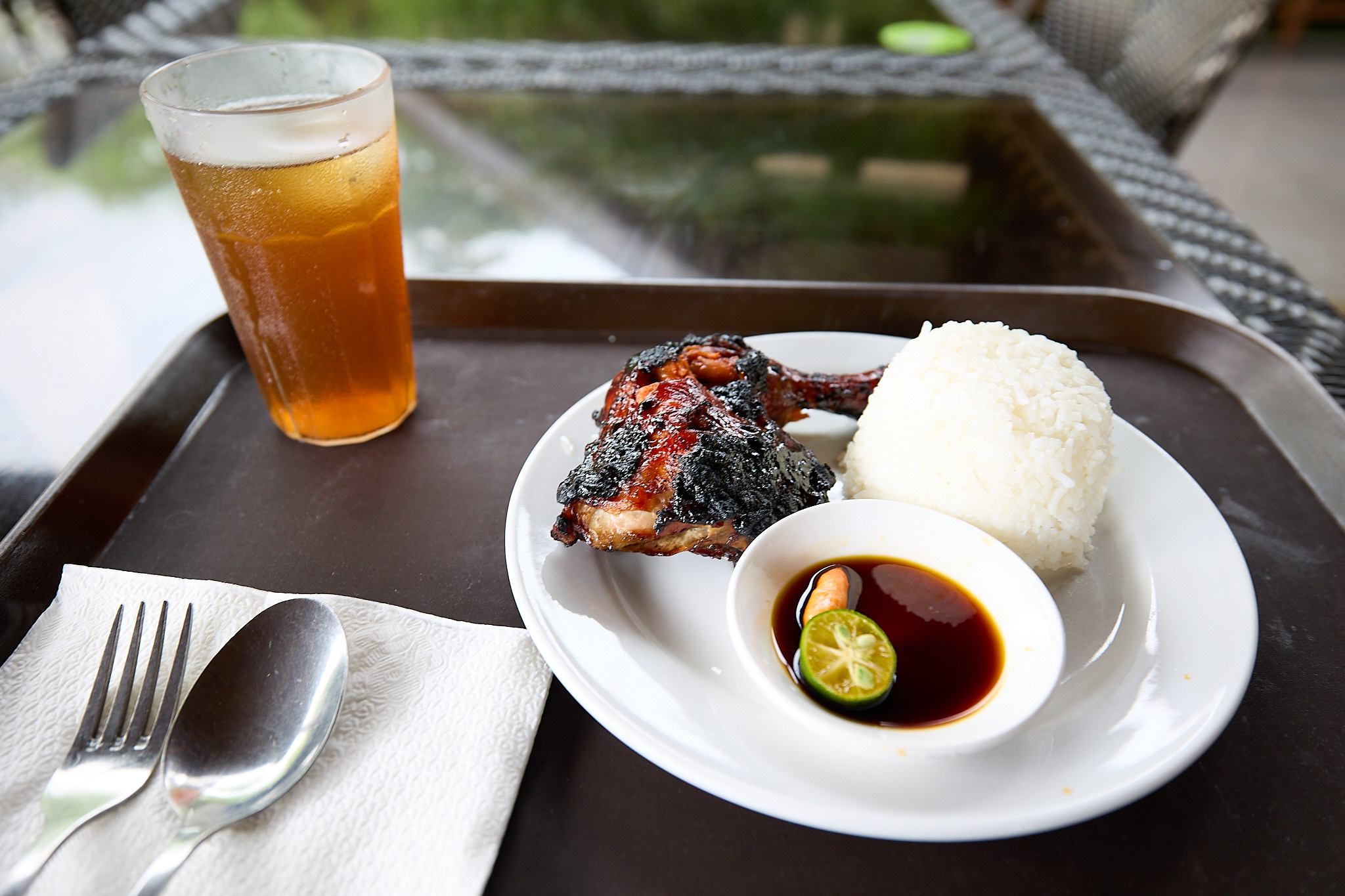
My own lunch was grilled chicken, rice and a beer, with a dipping sauce of slightly sweet soy that was very good.
The garden
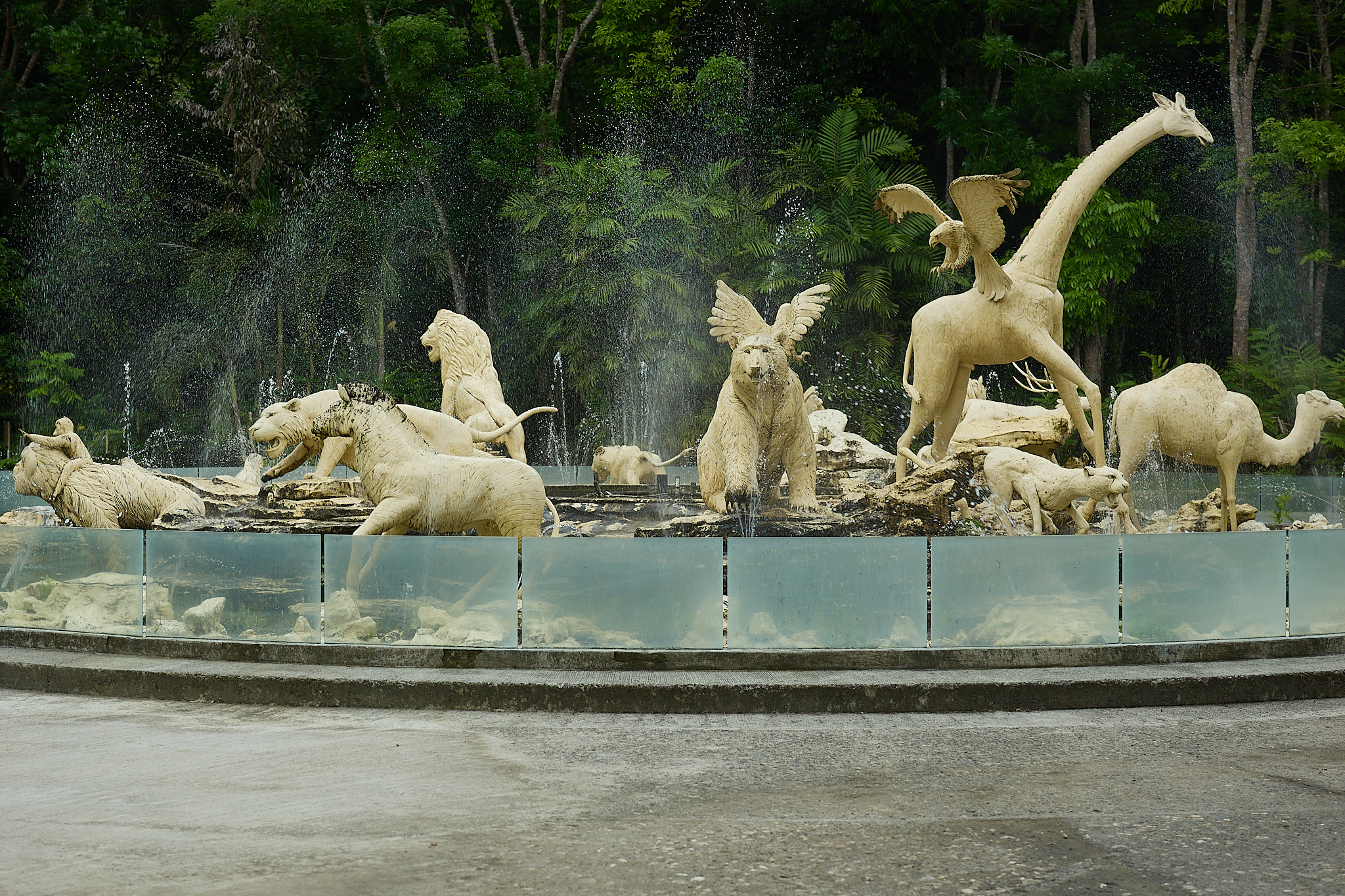
Not every animal I saw was alive. In a fountain, a giraffe, a camel, a lion, a tiger, a bear, a zebra, a stag and two eagles stood together in the spray, all the same pale colour.
An orchid collector’s park has gardens as well as animals, and in May 2023, part of the garden was still being built. The rain had turned the unfinished ground to mud.
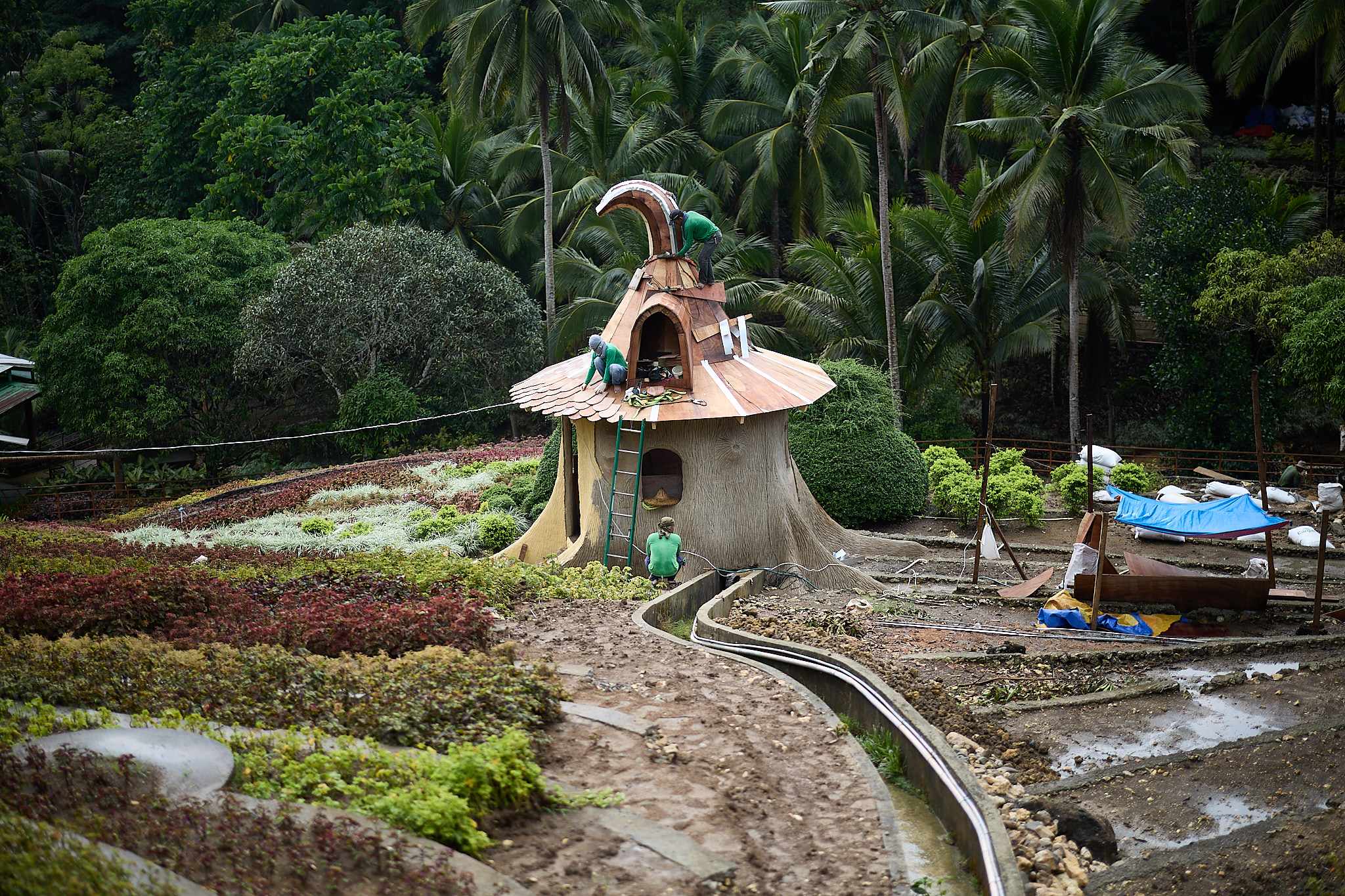
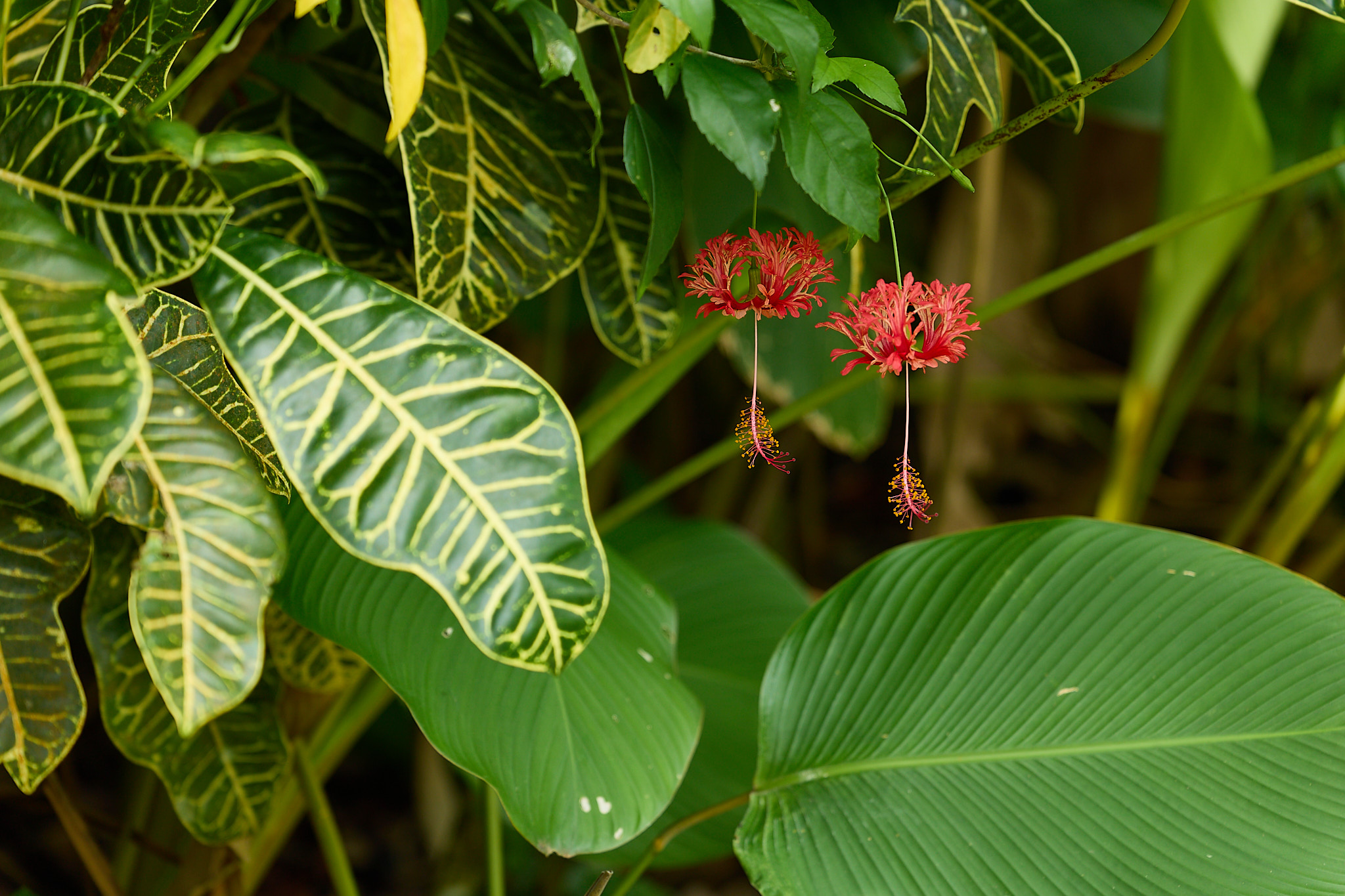
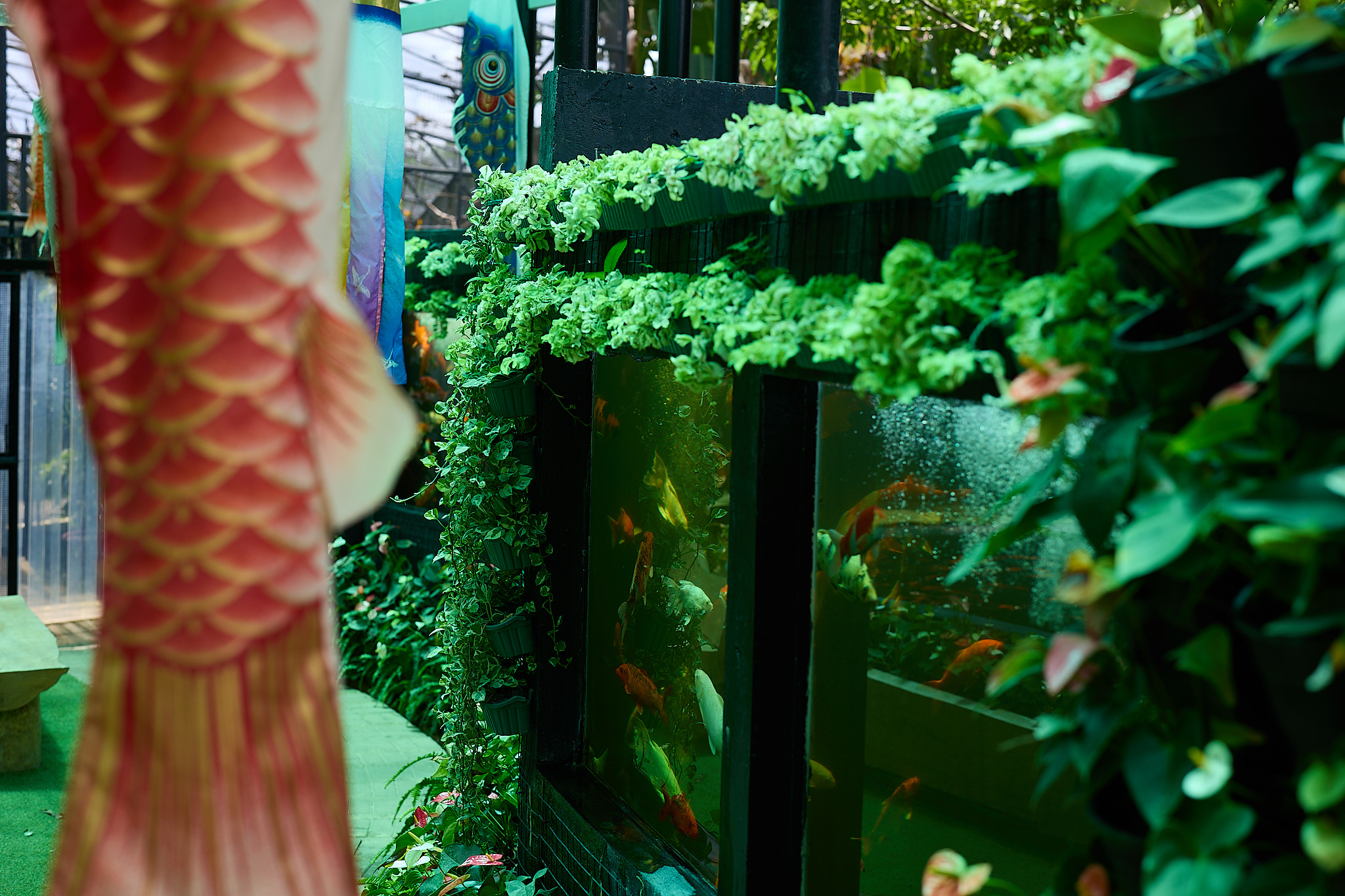
Here and there, the park had a Japanese accent, more or less.
One for every shoulder
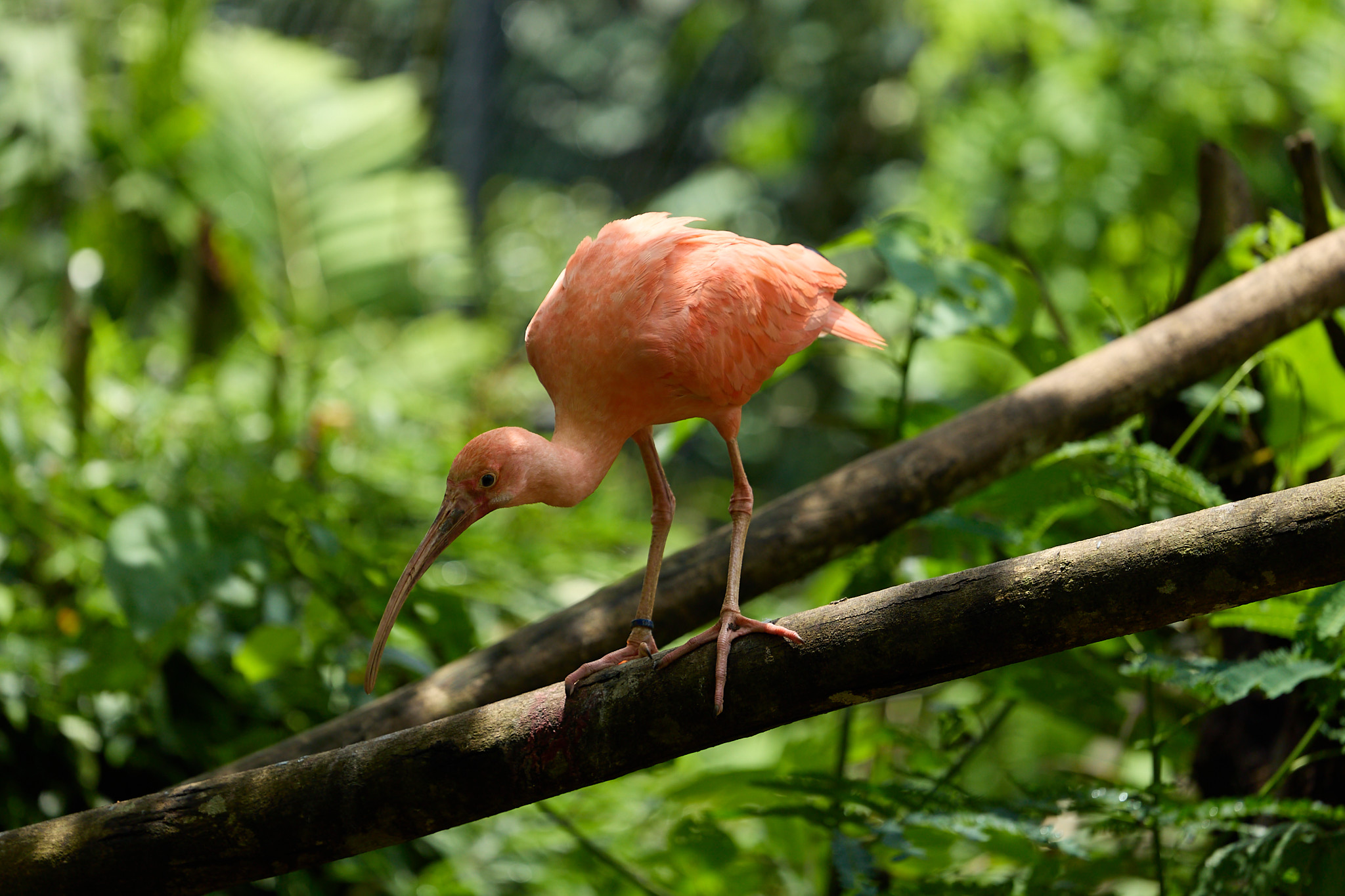
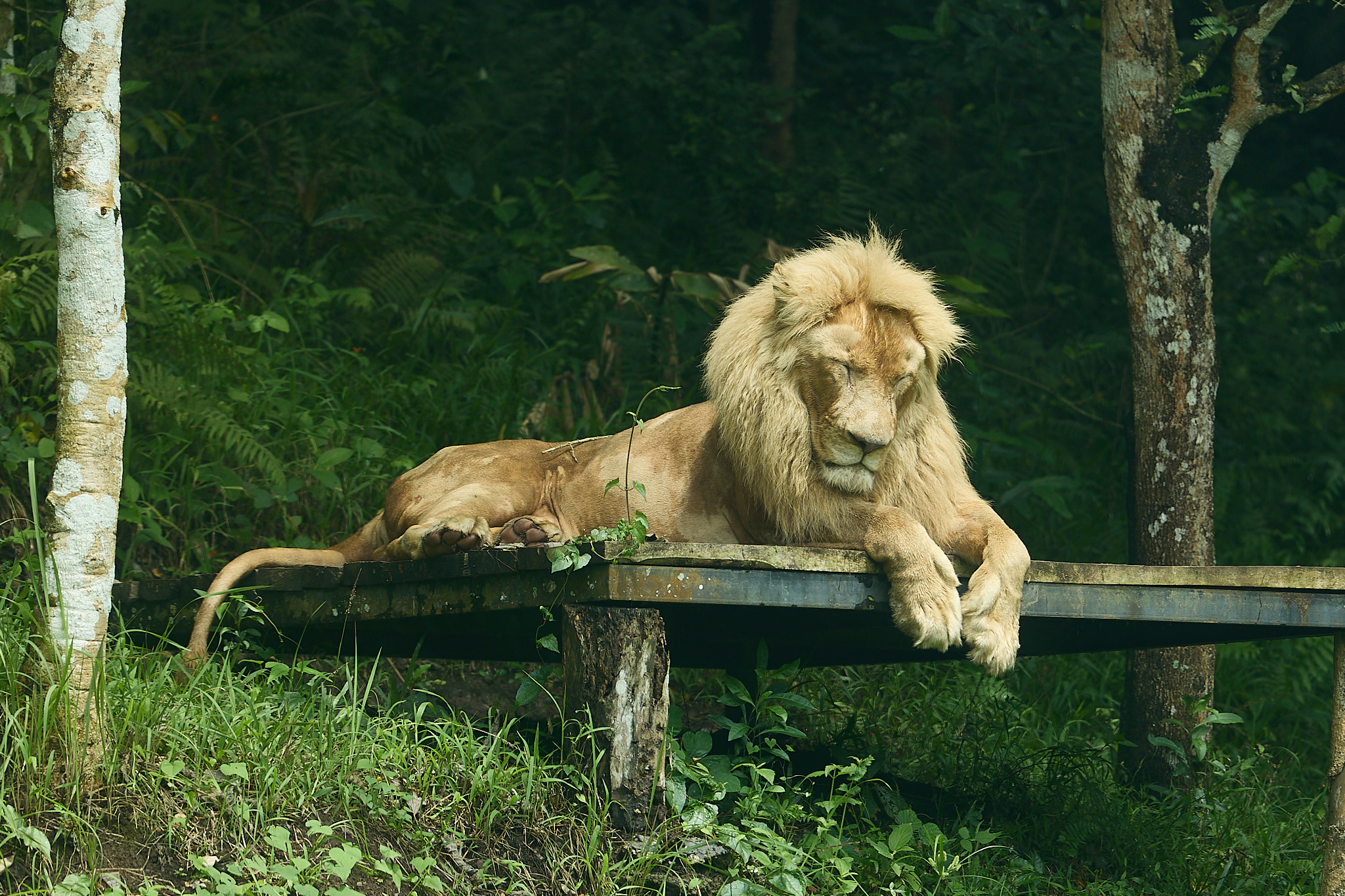
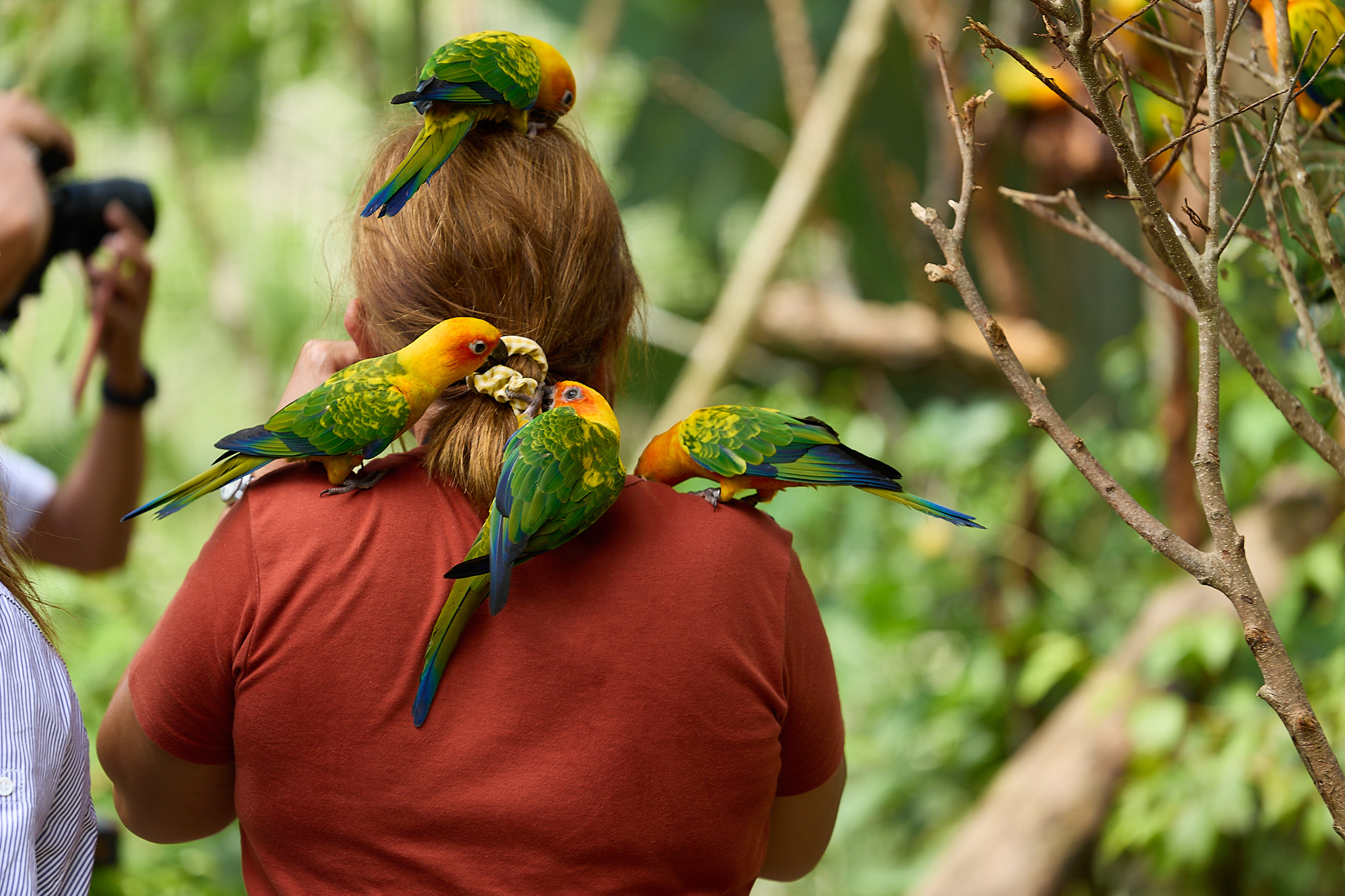
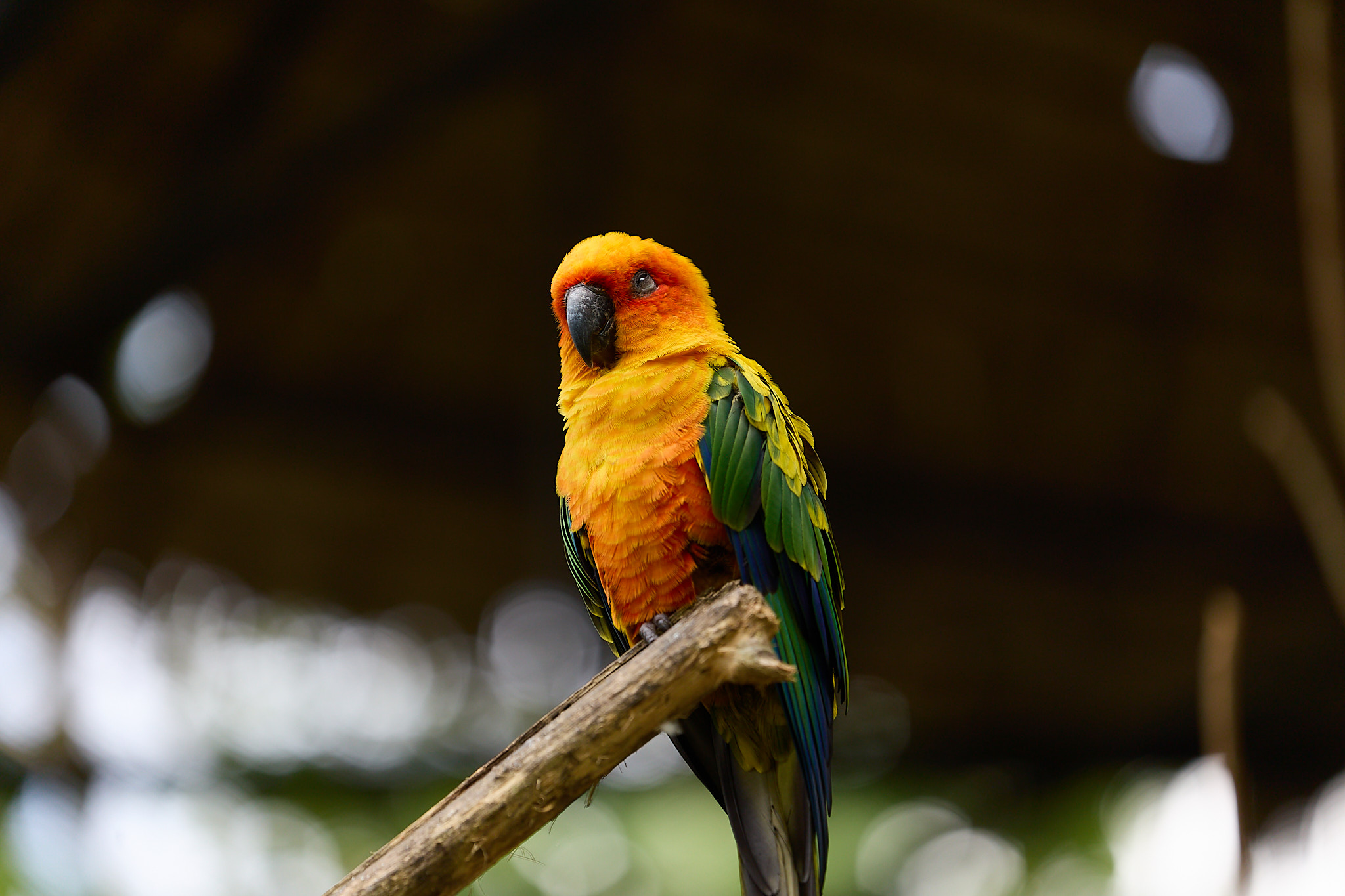
The sun conures came closest of all, and used the visitors as perches. In the wild, sun conures live only in a small corner of northern Brazil and Guyana, and they are endangered, heavily trapped for the bird trade. Here, there seemed to be one for every shoulder.
Welcome to the wild
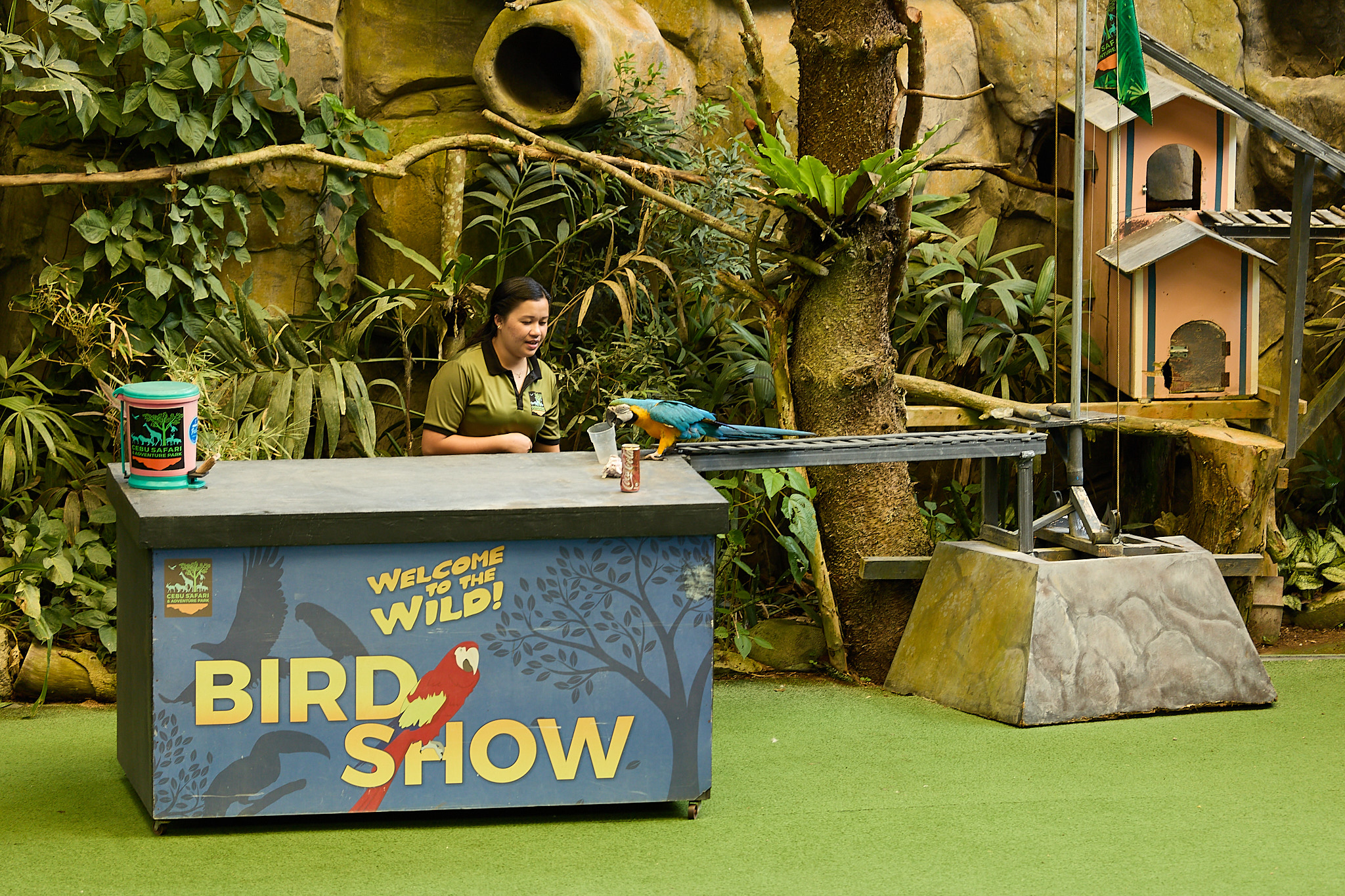
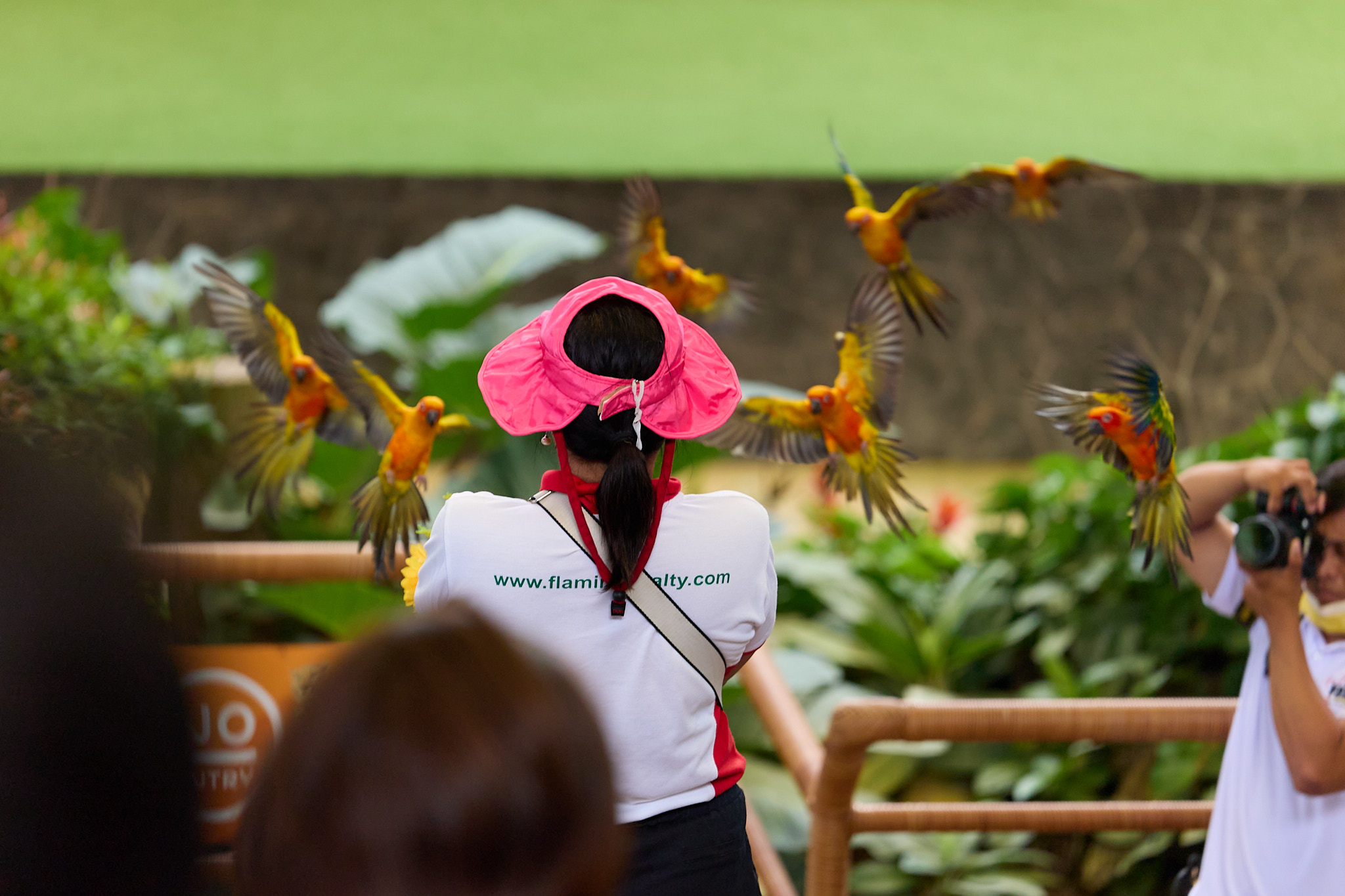
At the bird show, a wall made to look like rock stood behind the stage, and the counter at the front said WELCOME TO THE WILD! Later, the sun conures took off and flew around the audience.
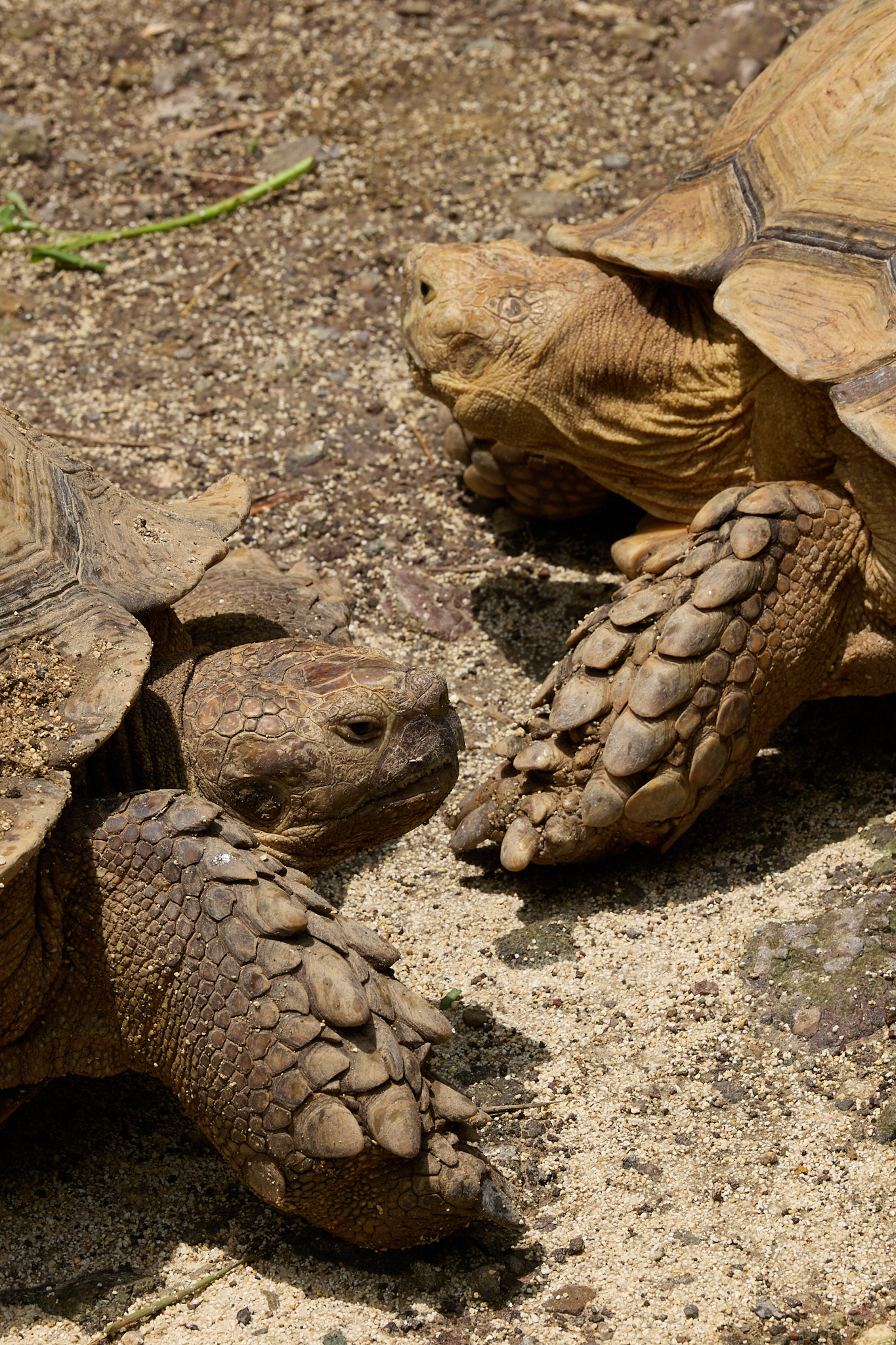
Most of the animals I saw that day have their wild a long way off. For the Visayan warty pig, it is a short way west, on Negros and Panay. Cebu Safari says it takes part in breeding programmes for the species, and that the aim, when possible, is to return such animals to their natural habitats. It does not say where.
If that ever means Cebu, the sign will need a third island.
Visit this place
Location
Cebu Safari and Adventure Park
In the hills of Carmen, about an hour’s drive north of Cebu City.
Toril, Corte, Carmen, Cebu 6005, Philippines
Practical Information
- Getting there
- In the hills of Carmen, about an hour’s drive north of Cebu City; the park says it is about 20 minutes from the national highway at Carmen. Without a car, take a northbound bus from Cebu North Bus Terminal to Carmen Plaza, then a van to the park.
- Opening hours
- Daily, 9:00–17:00; last admission 13:30. Hours may change; check before you go.
- Admission
- Safari Tour tickets from ₱1,200, including the animal exhibits, the bird show, the African Savanna tour, the White Lion Safari, the gardens and tram rides. Adventure rides (zipline, ATV and others), meals and transport are extra. Prices change; check the official site before you go.
- Visitor note
- The park is spread across steep slopes, and some stretches are much easier by tram. Wear comfortable shoes, and expect outdoor rides to pause in heavy rain or lightning.
- Official website
- Cebu Safari and Adventure Park
Information last checked: November 24, 2026 (Opening hours, last admission and ticket inclusions checked against the park’s Visitor Information page; directions as checked on 13 November 2026. Current ticket prices are shown at purchase.)
Conversation
Comments
Review pending commentsComments are reviewed before appearing. The internet already contains enough unattended surprises.
Loading comments…
Leave a comment