Kare-Kare and Pancit Canton: Long Noodles, Long Night
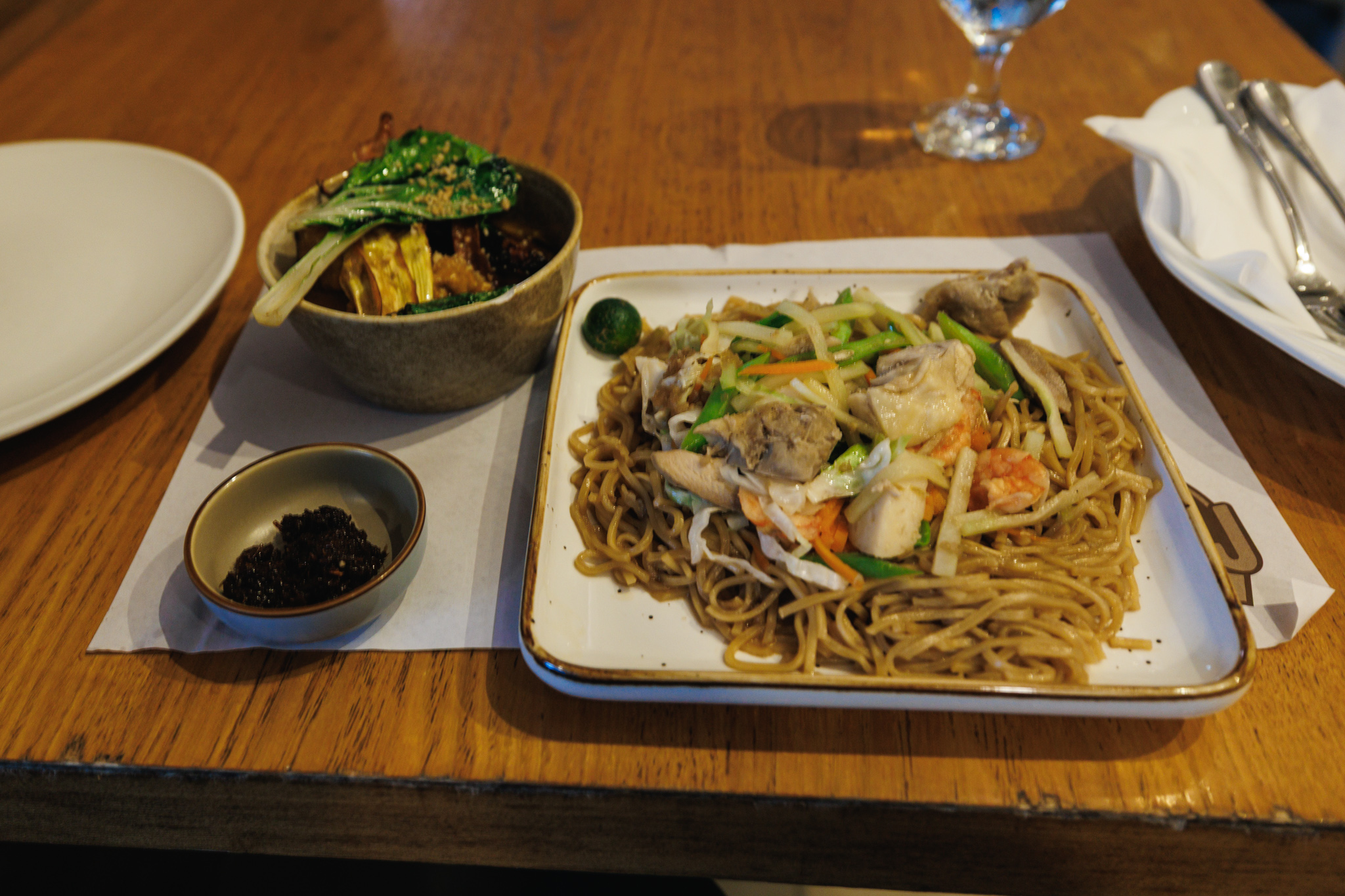
To a Japanese ear, kare-kare says curry twice. Karē is how Japanese says curry, a word borrowed from English, and kare-kare is said to go back to the same word.
In one telling, the doubled name began as an insult: kari-kari, a poor imitation of kari, which is to say curry.
On my last evening in Cebu, before the flight home, I ordered it at the Ayala Center Cebu branch of Kuya J, a Filipino restaurant chain. The night before, at another restaurant, I had been told that most of the dishes were made for two or three people. Here, they came in a size for one. I was hungry, so I ordered pancit canton as well.
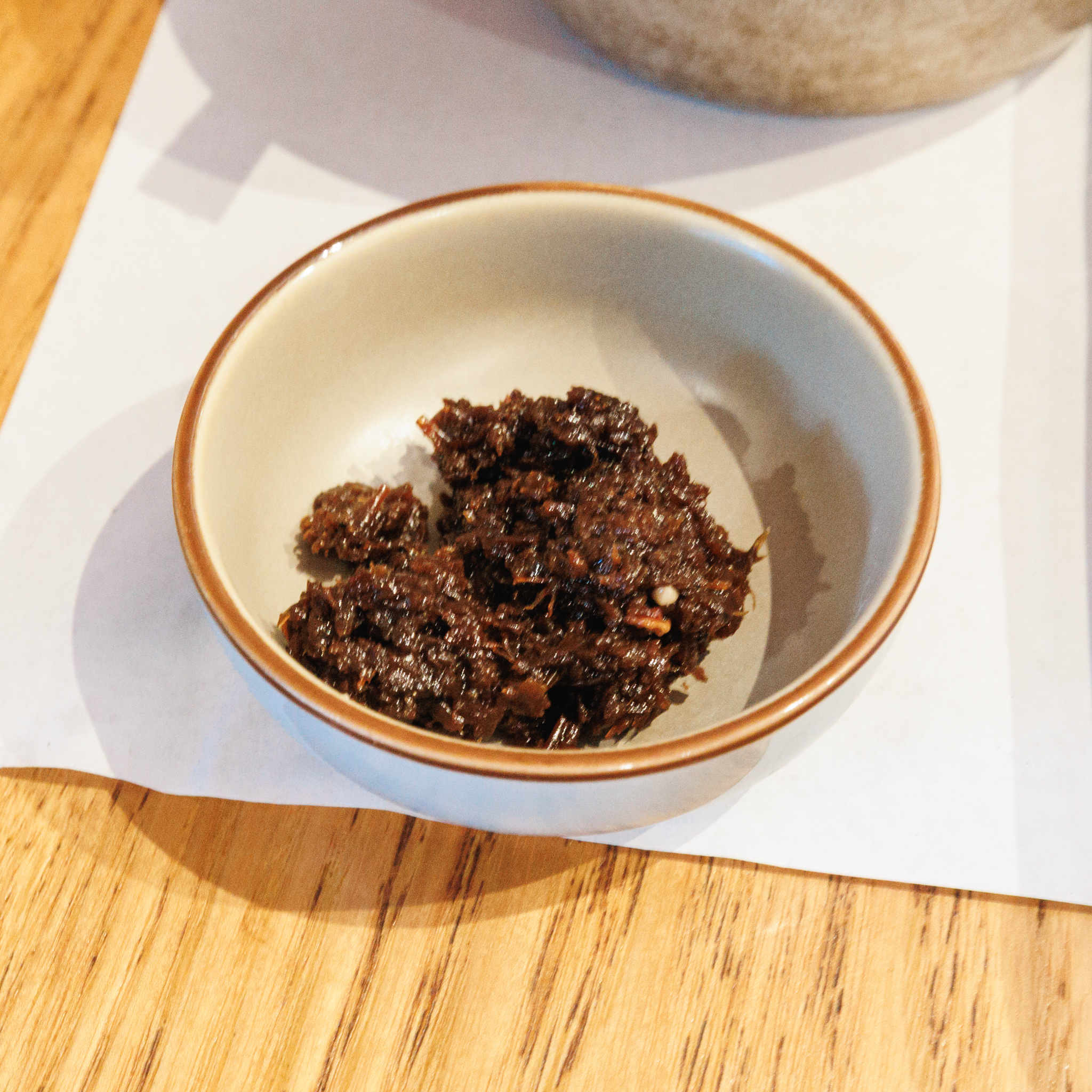
The kare-kare came in a deep bowl. A leaf of pechay lay across the top like a lid that did not fit; under it were long strips of eggplant, green beans and beef, all in a thick peanut sauce scattered with crushed peanuts. Beside it, in a dish of its own, sat a small, dark heap of bagoong.
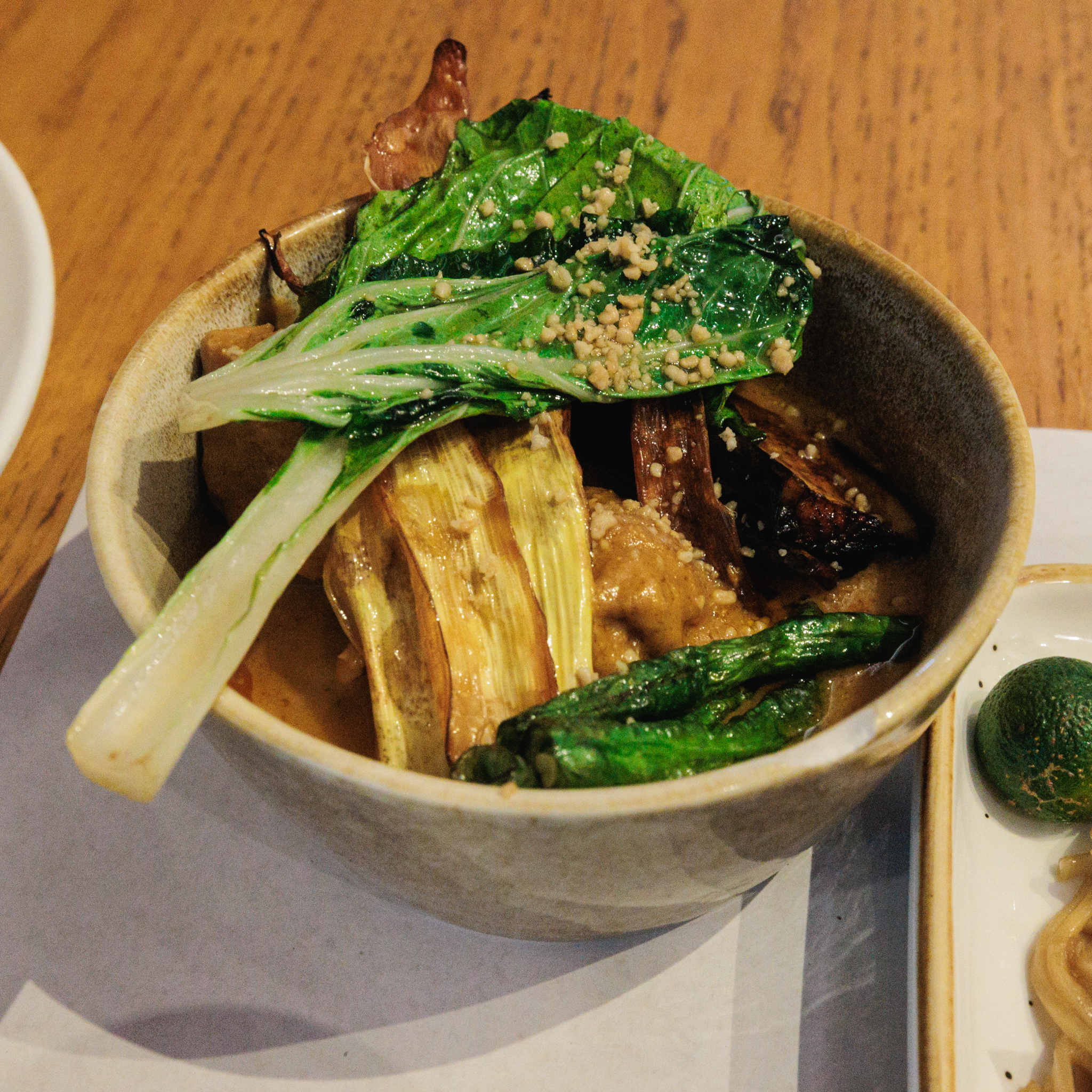
Not quite curry
Where the name came from depends on who is telling it. In Pampanga, north of Manila, the story goes that the dish began as kari, a stew of mudfish with ginger, turmeric and safflower. When it travelled to Manila, the cooks there could not get everything, or were not told everything. Annatto stood in for the safflower, the other spices dropped out, and the people of Pampanga gave the result its doubled name.
In another telling, the cooks were Indian soldiers who came with the British when they took Manila in the eighteenth century, and stayed. Far from home, they made curry with what they had, and when the spices ran out, they used annatto and peanuts.
Neither story can be proved. But they agree on one thing.
In both, someone set out to make curry and ran out of curry on the way.
Japan is in no position to laugh. Its own curry is said to have arrived by way of Britain. By the standards of Pampanga, it is probably kari-kari too.
Kare-kare, at least, has stopped pretending. There was no heat and no spice to speak of, only peanuts, cooked down into something very rich, and salted, but lightly.
The rest of the salt was in the small dish. Kare-kare is usually eaten with bagoong alamang, a paste of tiny fermented shrimp. Mine was not fishy at all, and it was intensely savoury. I ate the stew the way it is meant to be eaten, with the shrimp paste.
The second plate
Pancit canton was easier to place. Pancit is what the Philippines calls its noodle dishes, and canton is the kind of noodle; the name points, roughly, to Canton. It is a stir-fry of wheat noodles with meat, seafood and vegetables, usually seasoned with soy sauce and oyster sauce and cooked in broth.
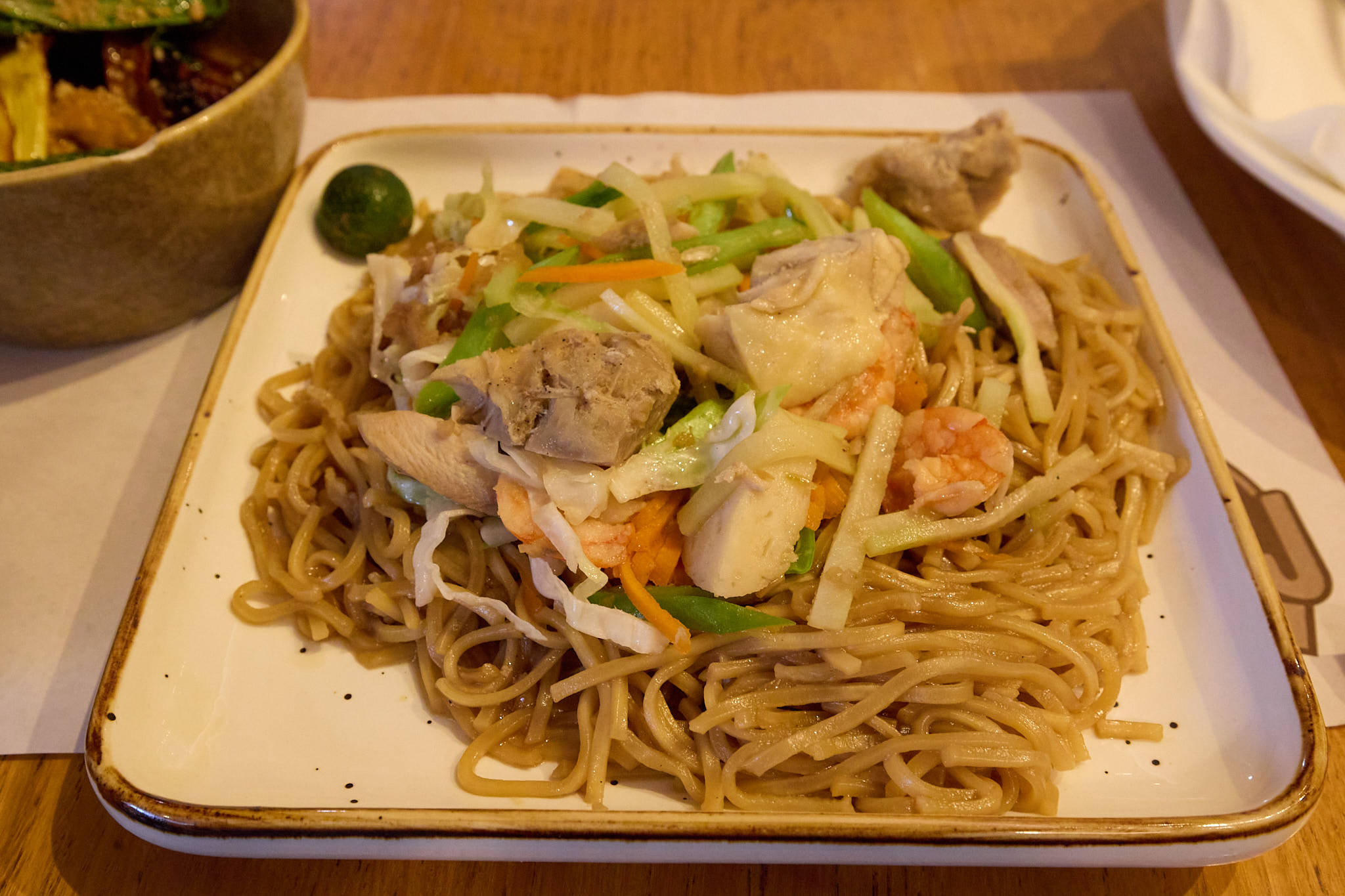
Mine had chicken, shrimp, cabbage, carrot, green beans and white slices of what were probably squid balls, all in the same soy-brown gloss. It was a little sweet, and the noodles were slightly flat.
Pancit is also birthday food, by a custom that comes from the Chinese Filipino community.
It was not my birthday. I ate all of it anyway.
That was my last meal in Cebu. The flight was late at night, and then it was delayed. It finally left a little after three in the morning.
Long noodles are supposed to mean a long life. I got a long night.
Location
Restaurant
Kuya J Restaurant - Ayala Center Cebu
Inside Ayala Center Cebu, in Cebu Business Park, Cebu City
Ayala Center Cebu, Cebu Business Park, Cebu City, 6000 Cebu, Philippines
Practical Information
- Dishes
- Kare-kare (beef) and pancit canton (ordered in May 2023)
- Ordering note
- When I visited, dishes came in sizes for one as well as for sharing.
- Restaurant
- Kuya J is a Filipino restaurant chain.
- Website
- Kuya J — Ayala Cebu branch
Information last checked: October 26, 2026 (Branch checked on Kuya J’s branch list and Google Maps. Opening hours, phone and prices are not confirmed.)
Conversation
Comments
Review pending commentsComments are reviewed before appearing. The internet already contains enough unattended surprises.
Loading comments…
Leave a comment