Museo Sugbo: The Old Jail Still Takes Transfers
On 27 May 2016, Leo Tolstoy was transferred to the old provincial jail in Cebu.
The new arrival was a bronze bust.
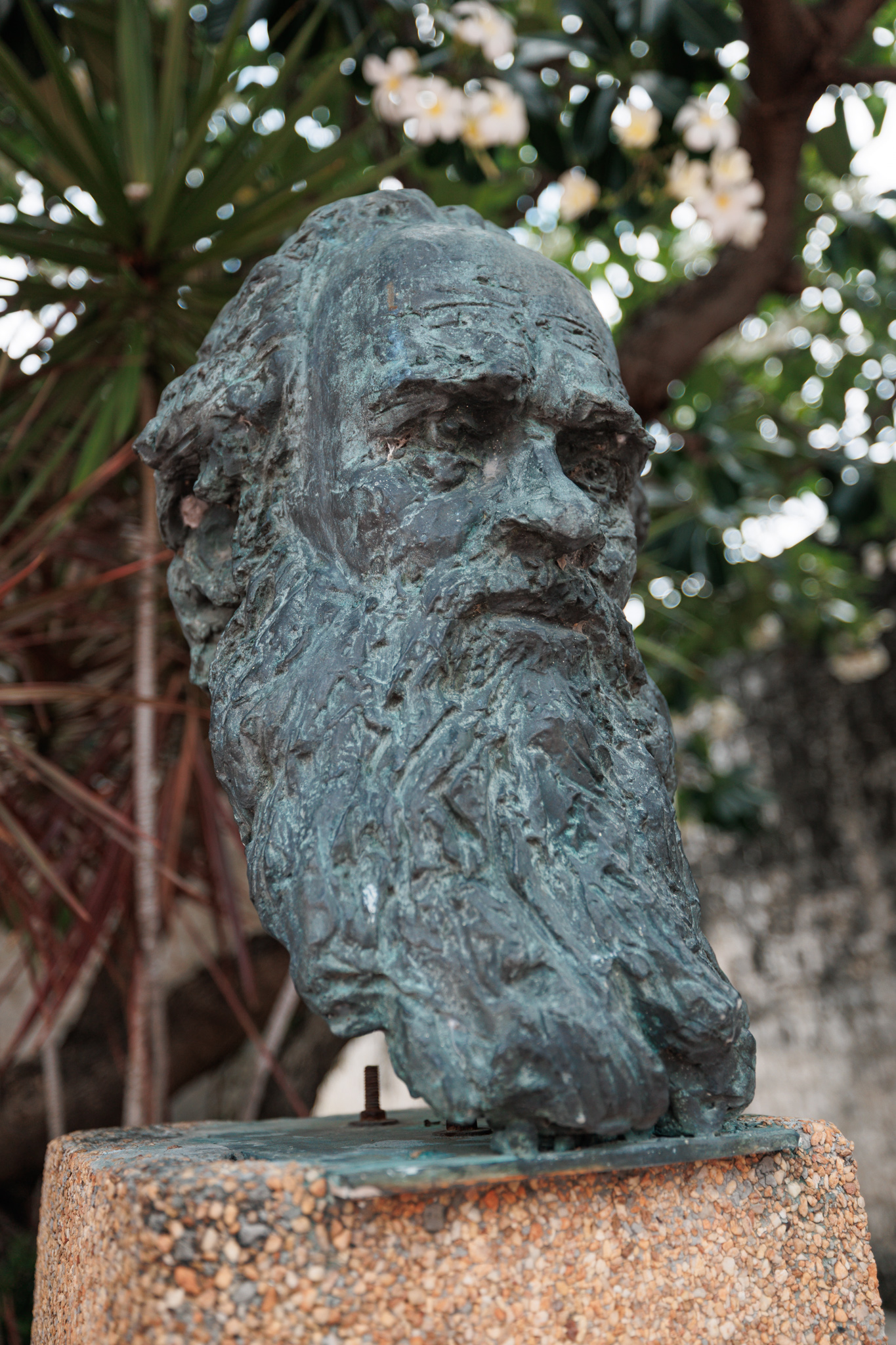
Tolstoy himself never came to Cebu. In 2009, the province of Cebu signed a sisterhood agreement with St Petersburg. The following year, the bust was put up at a convention centre in Mandaue, next to Cebu City, as a symbol of friendship between the two.
The five-year agreement expired in 2014. The symbol of friendship stayed on.
By 2016, the convention centre was no longer in good condition, and the bust needed a new home. The province had a museum. At the ceremony, the governor said that more people would see Tolstoy there. The Russian ambassador attended.
That museum was the old jail, which had not held anyone for twelve years. Since 2008 it has been Museo Sugbo, the museum of the province of Cebu. I arrived in May 2023, seven years after him.
In its time as a jail, the building had taken in stranger arrivals than a Russian novelist.
Carcel de Cebu
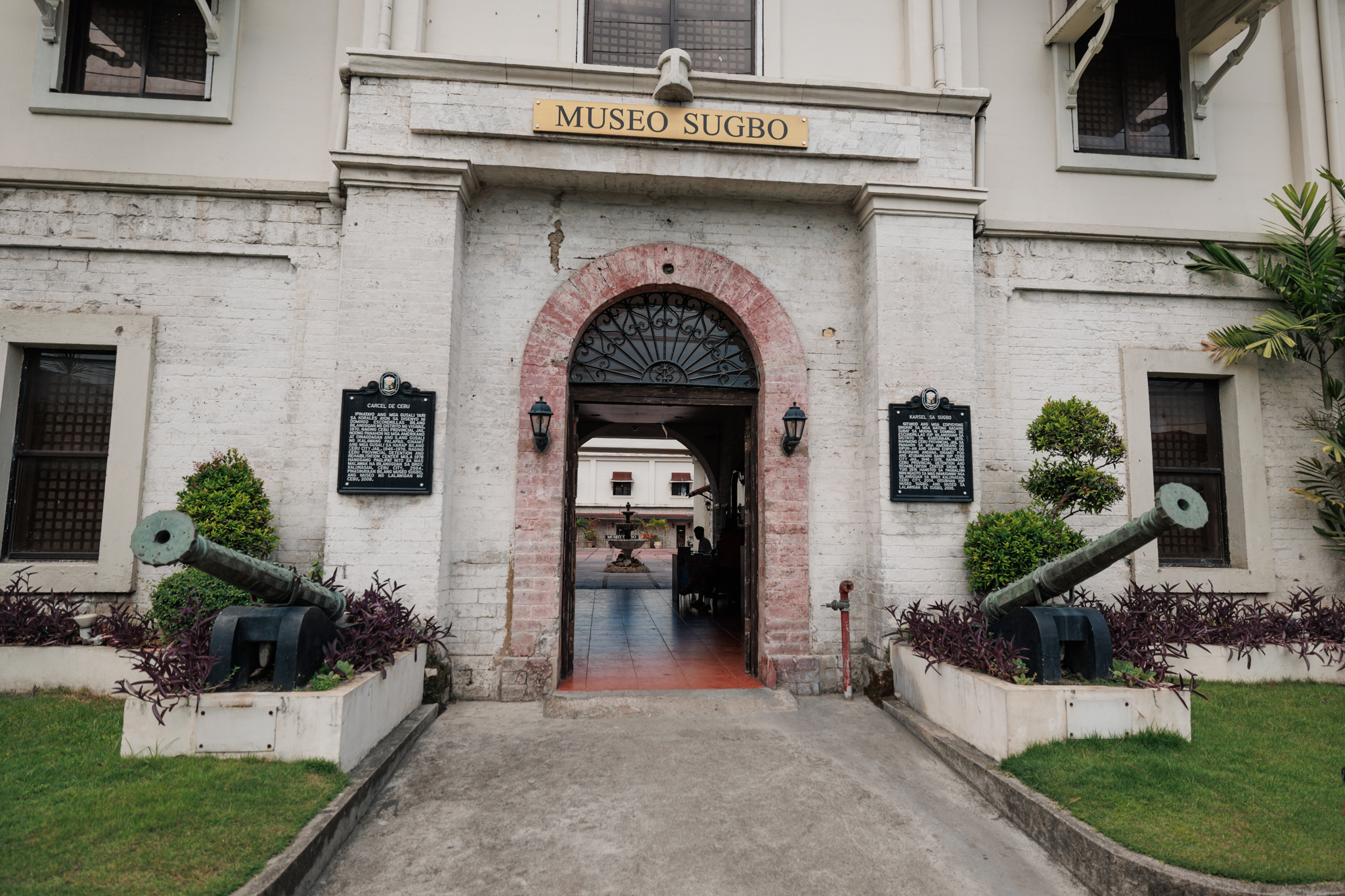
Two plaques by the gate tell the building’s story, one in Filipino and one in Cebuano. It was built of coral stone in the second half of the 19th century, under Spanish rule, as the jail for the Visayas. Under the Americans it became the provincial jail, and it went on holding people long after independence.
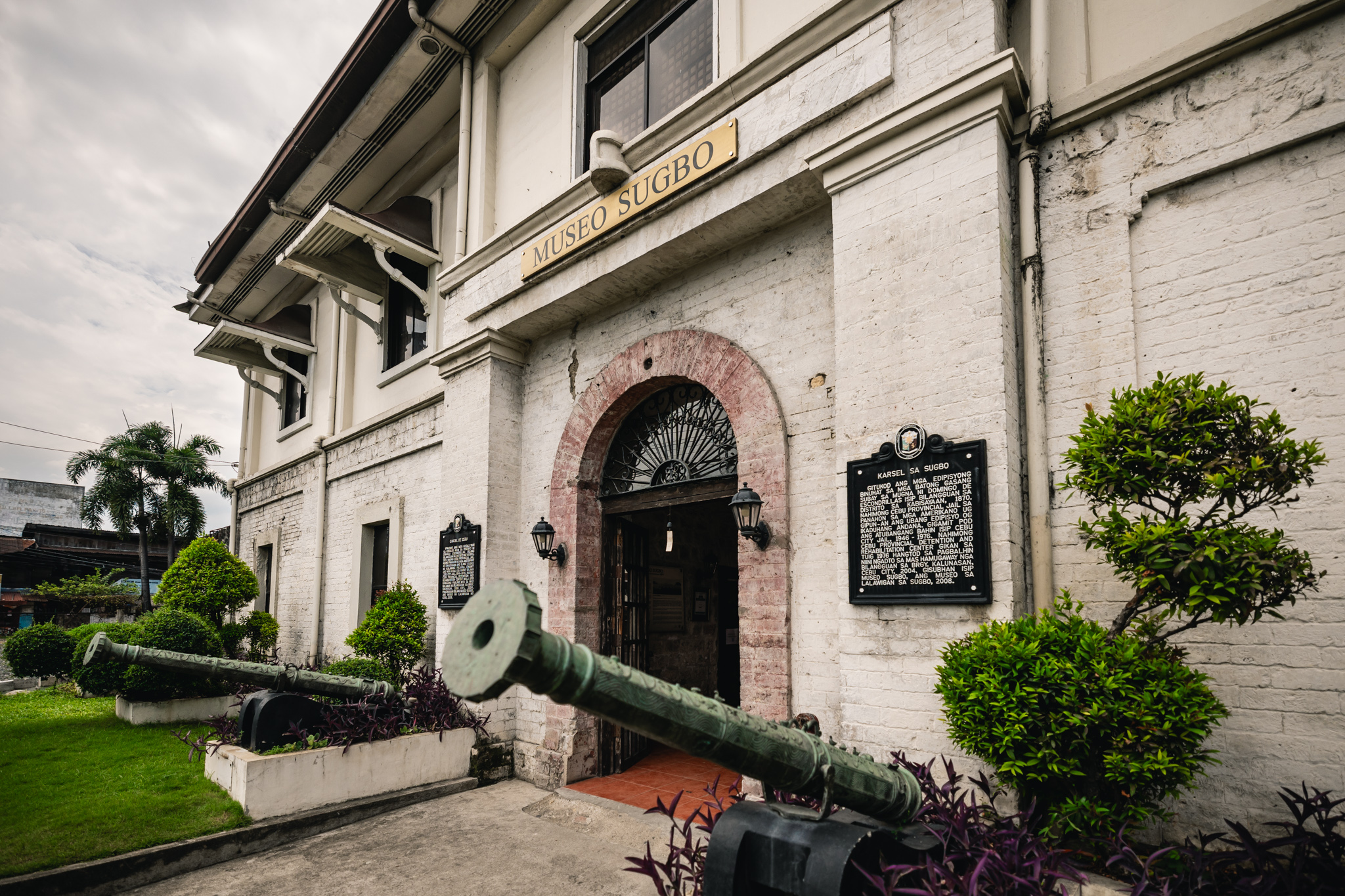
Revolutionaries were held here during the revolution against Spain. In the Second World War, so were guerrillas caught by the Kempeitai, the Japanese military police. Under martial law, it held a well-known Cebuano writer and radio commentator.
In the American period, it is said, the jail also took in racehorses.
They were running at the Hipodromo, a racetrack nearby. Where in the jail they slept is not recorded.
In 2004, the last inmates were moved to a larger facility elsewhere in Cebu City.
Originals elsewhere
Inside, some of the residents have also come a long way.
In one case sits a small gold woman, cross-legged and heavy with jewellery. Her label calls her a 21-carat gold figurine, found in 1917 on a riverbank in Agusan, in north-eastern Mindanao. “At present,” it continues, “the figurine is kept at the Gold Room of the Field Museum of Natural History of Chicago, U.S.A.” At the very bottom, in small print, is the line SCALE – 100%.
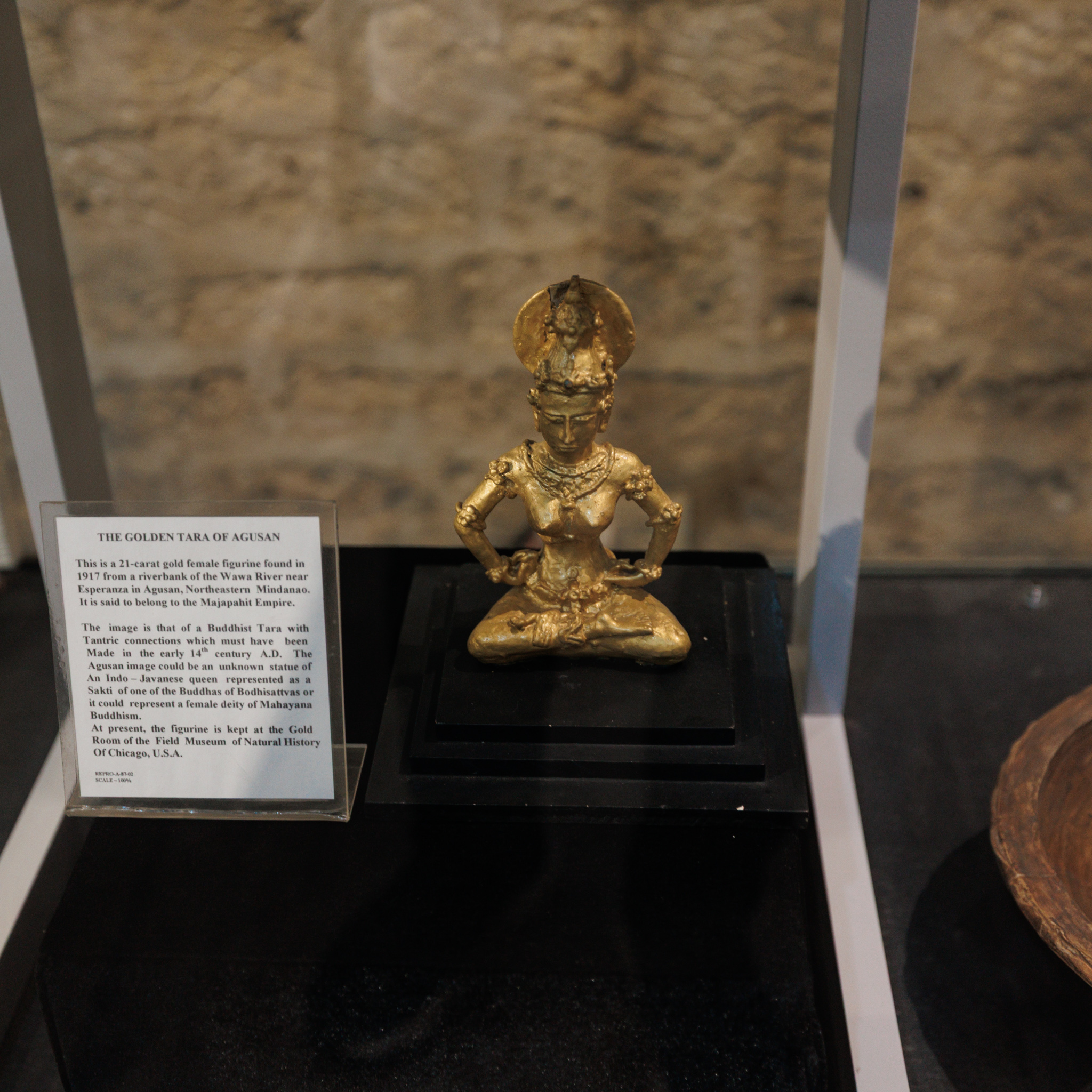
She was found in Mindanao, she lives in Chicago, and she is represented in Cebu by a copy.
The label here calls her a Buddhist Tara. The museum in Chicago thinks she is more likely Vajralasya, a Buddhist offering goddess. Either way, a gold Buddhist figure in Mindanao is evidence that these islands were in touch with the rest of Southeast Asia long before any Spanish ship arrived.
Nearby stands the Manunggul Jar, as a replica at 50 per cent scale. The original, from a cave on Palawan, was made between 890 and 710 BC and belongs to the National Museum of the Philippines.
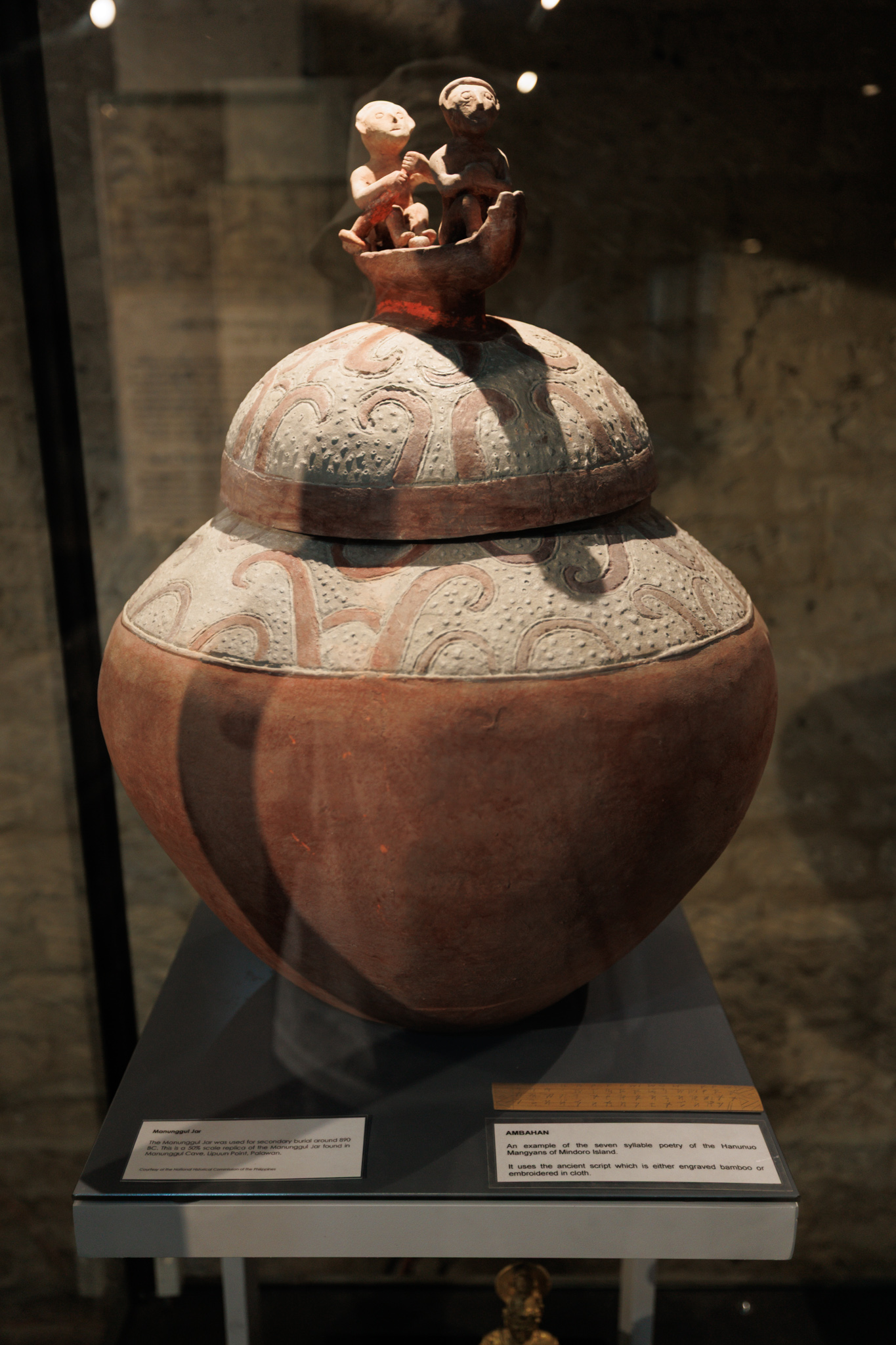
It is a burial jar, but not for a first burial. It held the bones of someone who had already been buried once. Its occupant had been moved before. On the lid, two figures sit in a boat. One has his arms crossed over his chest; the other holds a paddle. They are thought to be the souls of the dead, rowing to the afterlife. The boat has a face on its prow.
Beside it, a strip of bamboo carries an ambahan, a poem in seven-syllable lines from the Hanunuo Mangyan people of Mindoro. Mindanao, Palawan, Mindoro: so far, nothing in these cases is from Cebu.
The figure most Cebuanos would recognise at once is the Santo Niño, the Child Jesus, crowned and robed in red and gold.
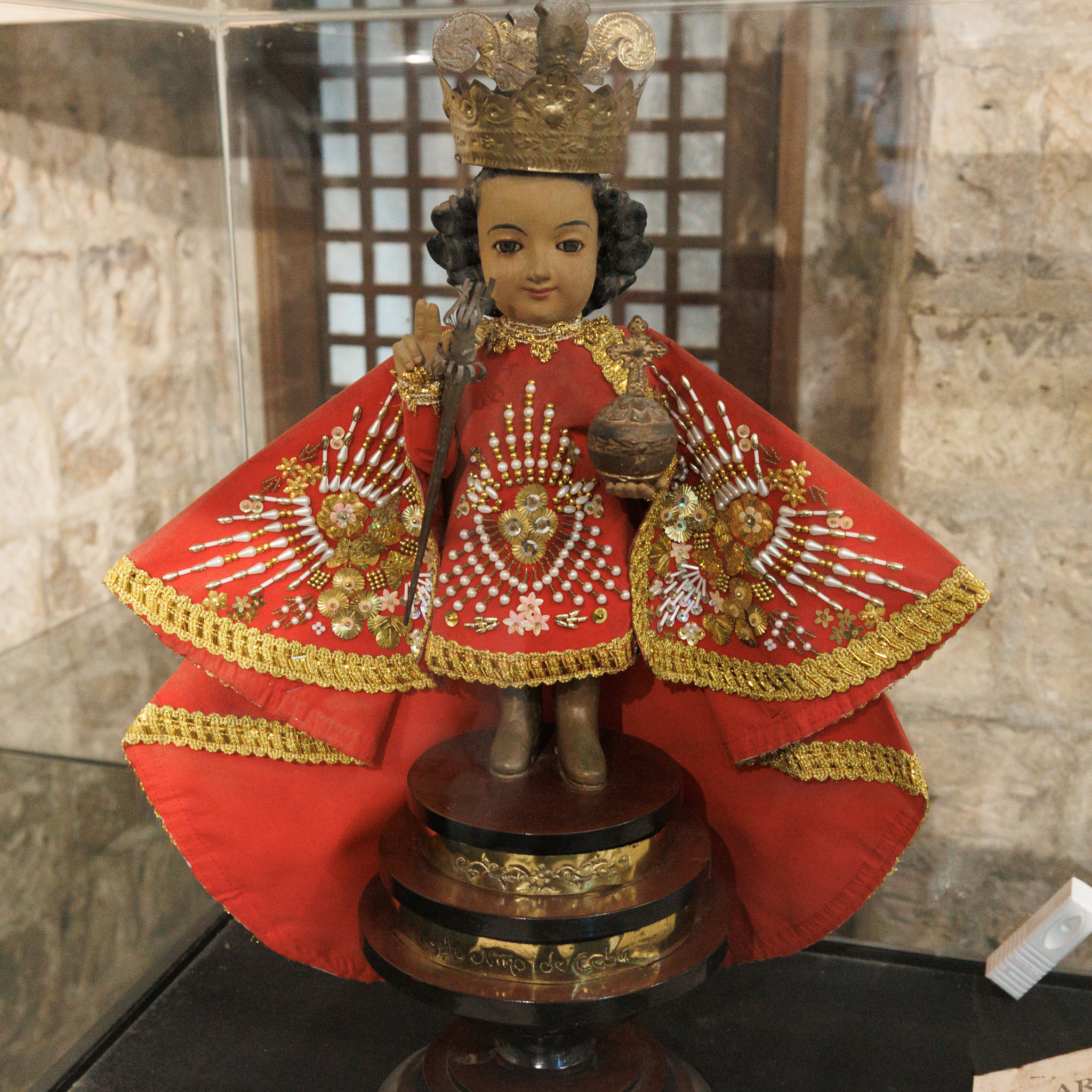
He came by ship too. According to the basilica that keeps the original image, Ferdinand Magellan gave it to the queen of Cebu in 1521. Forty-four years later, a soldier of the next Spanish expedition found it in a hut the fire had spared. The figure in the museum is not that one. Within weeks of the gift, Magellan himself was dead, on the neighbouring island of Mactan.
Courtesy of
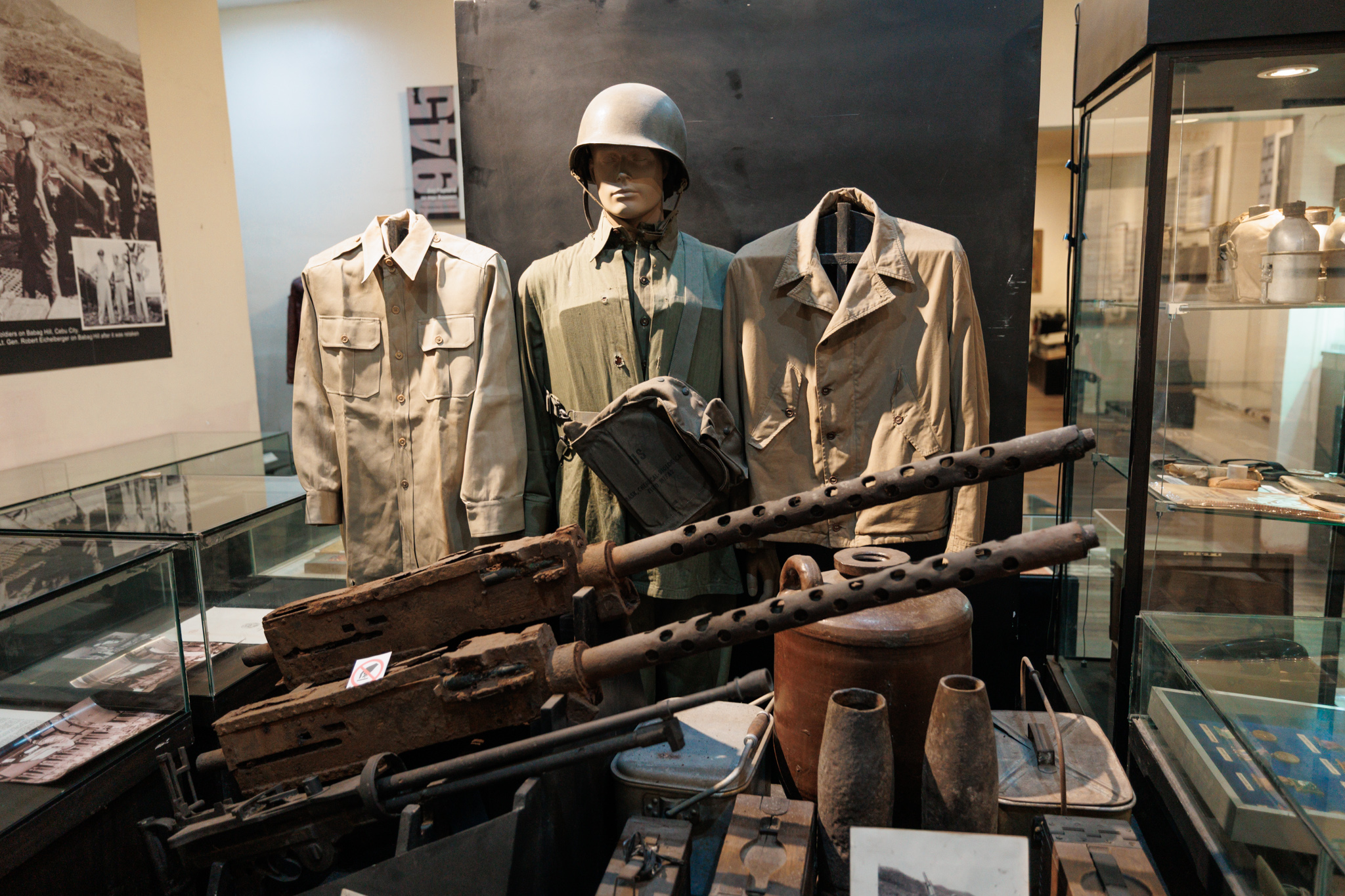
The war displays come with small extra lines at the bottom of their labels: Courtesy of. On loan from. Several of the things in them arrived one family or one collector at a time.
One case holds two kinds of money. At the top are notes headed THE JAPANESE GOVERNMENT, in pesos, issued during the occupation. There were no reserves behind them, and Filipinos called them Mickey Mouse money. At the worst of the inflation, a single duck egg could cost 75 pesos.
Lower down are emergency notes from the Cebu branch of the Philippine National Bank, one of them dated December 1941. When the invasion broke up the banking system, every province, according to the label, printed its own.
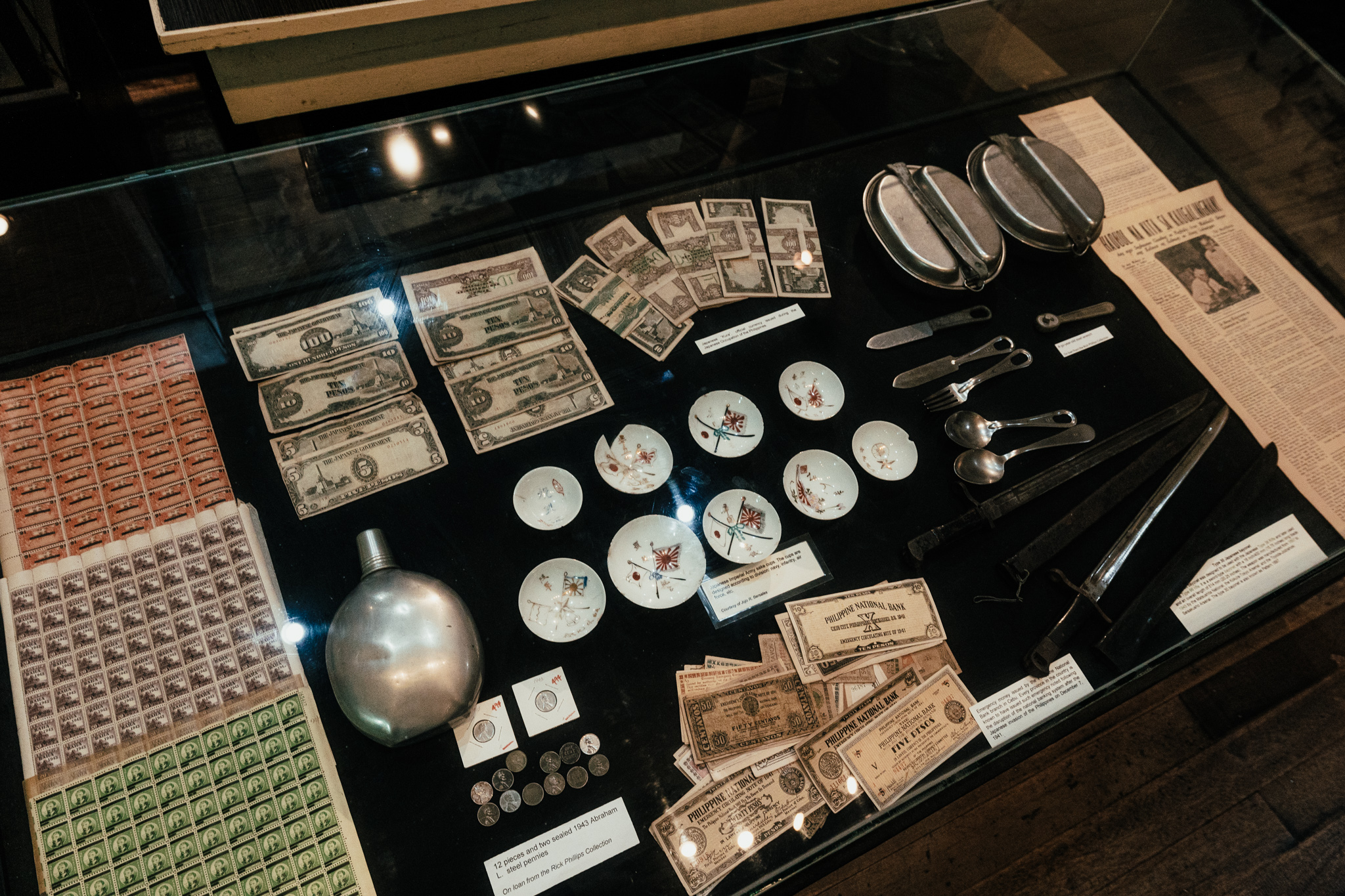
Between the two sets of money are small white sake cups painted with flags. According to the label, they are Japanese military sake cups, with a different design for each kind of unit. Near the corner are a few American cents from 1943, the year they were made of steel, because copper was needed for the war.
In another case is a strip of cloth with three characters written on it in brush: 區隊長, group leader. I can read them, and my first thought was that it had belonged to a Japanese officer.
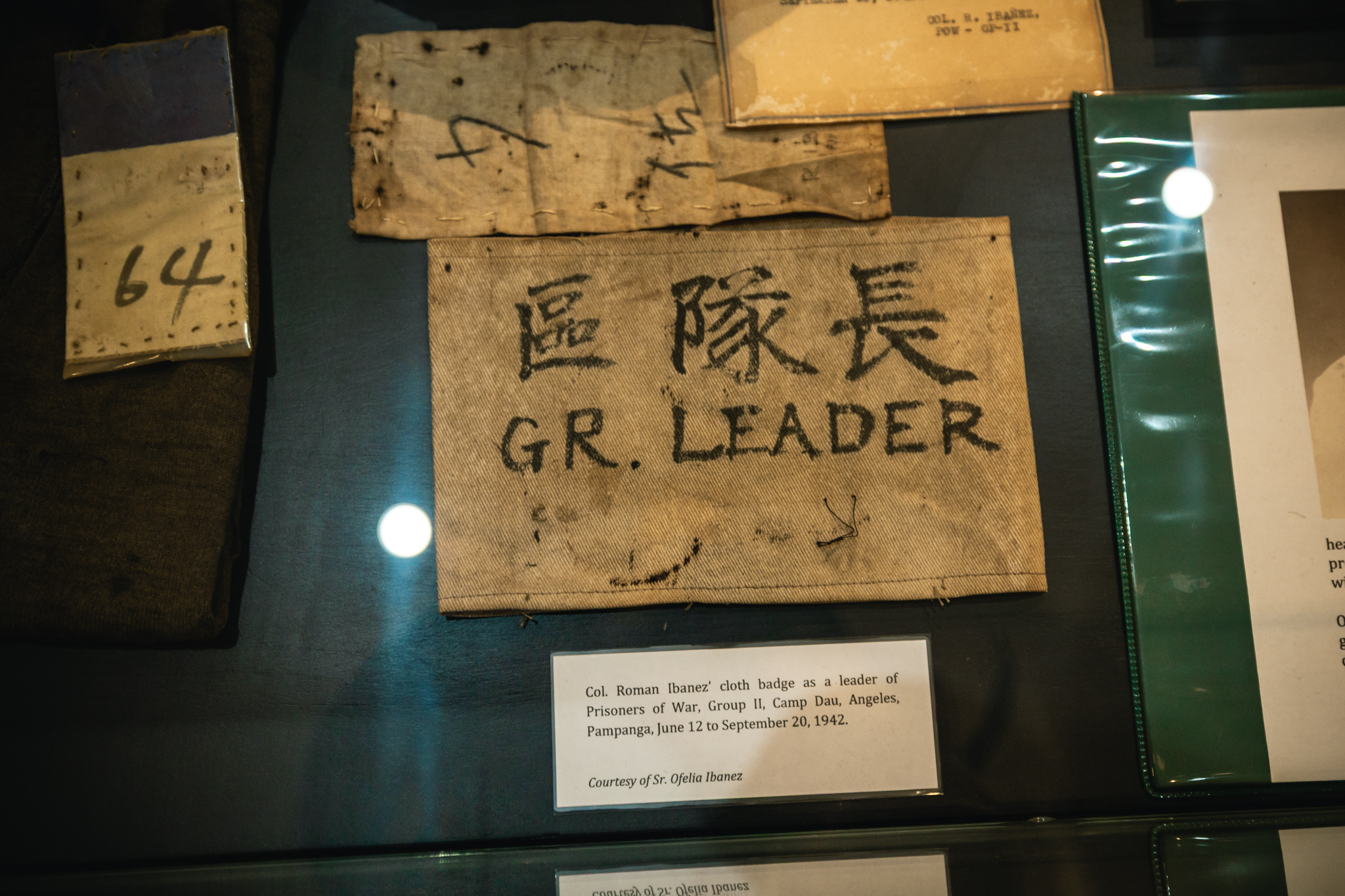
The label says it was Colonel Roman Ibanez’s badge as leader of a group of prisoners of war, at Camp Dau in Pampanga, on Luzon, from June to September 1942. It comes courtesy of Sr. Ofelia Ibanez.
The characters were Japanese. The man who wore them was a prisoner of the Japanese.
Another case holds a veteran’s cap and the books of Manuel Segura, a retired colonel who wrote about the Cebu guerrillas. One of them is The Koga Papers.
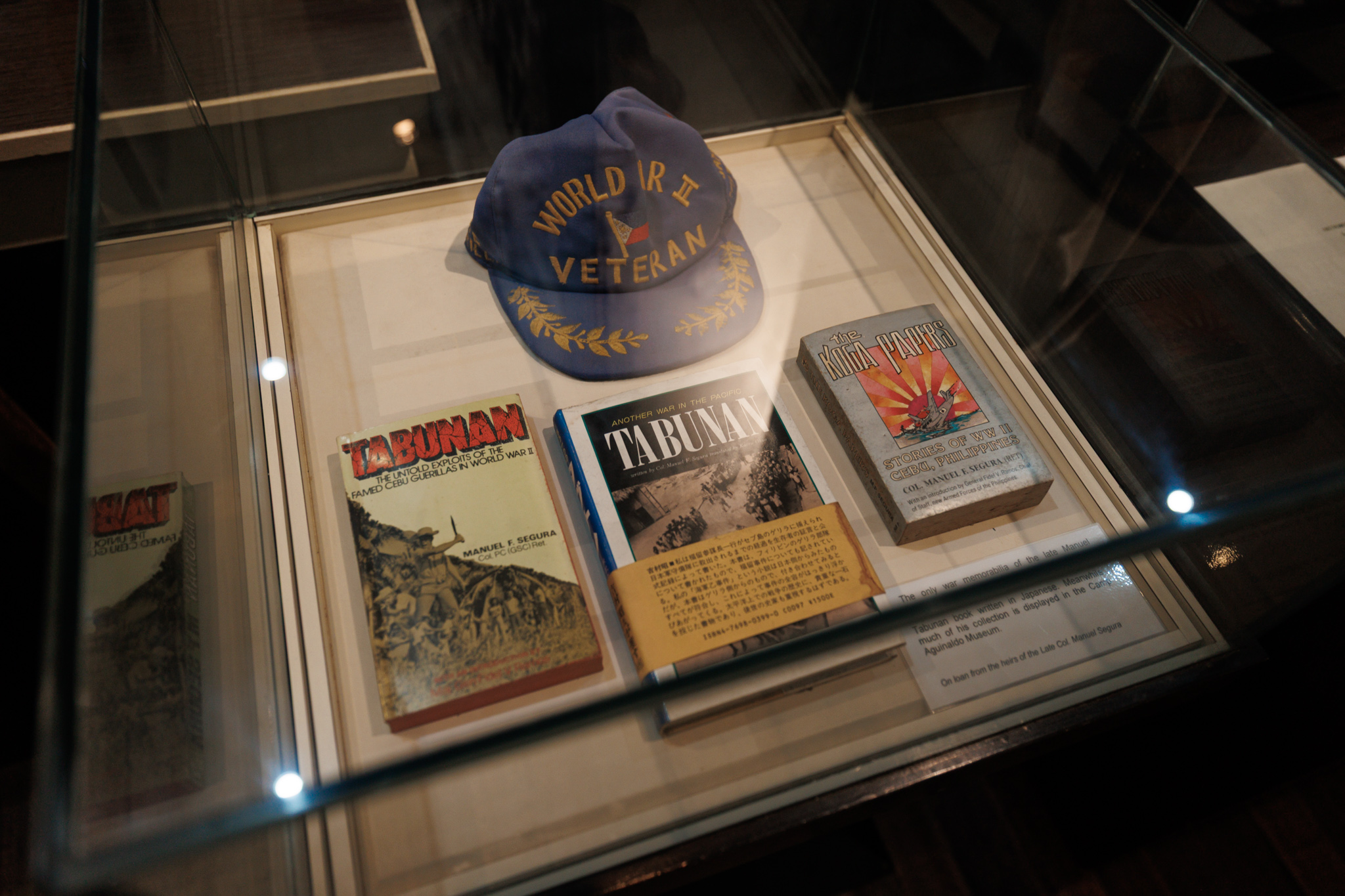
On 31 March 1944, the flying boat carrying Admiral Koga Mineichi, commander of Japan’s Combined Fleet, disappeared in a storm. A second flying boat, carrying his chief of staff, Vice Admiral Fukudome Shigeru, came down in the sea off Cebu. Villagers paddled out and rescued Fukudome. Two days later, another villager found a box of his secret documents floating in the sea. Both eventually reached the guerrillas.
The guerrillas returned Fukudome to the Japanese in exchange for a promise to stop killing civilians on Cebu. They kept the documents. Among them was Plan Z, the Japanese navy’s plan for its next decisive battle. The documents were the ones that got transferred: by submarine and aircraft, to General MacArthur’s headquarters in Australia.
One of the books in the case is in Japanese: a 1988 translation of Tabunan, Segura’s book about the guerrillas. It still has its paper band, with a recommendation from the novelist Yoshimura Akira, who had written a novel about the same incident from the Japanese side. Put the two accounts together, he writes, and everything matches.
The red box
Not everything in Japanese here was about the war.
Elsewhere in the museum I came across a faded red box: Nakayama-shiki Kaiyuki, a gadget for giving yourself shiatsu-style pressure by lying on it. “For the stomach and intestines,” says the lid. “For health.” In the middle, a man lies on his back on the device, saying, “What a wonderful morning feeling!” Just above the name: “An invention to make the world proud!”
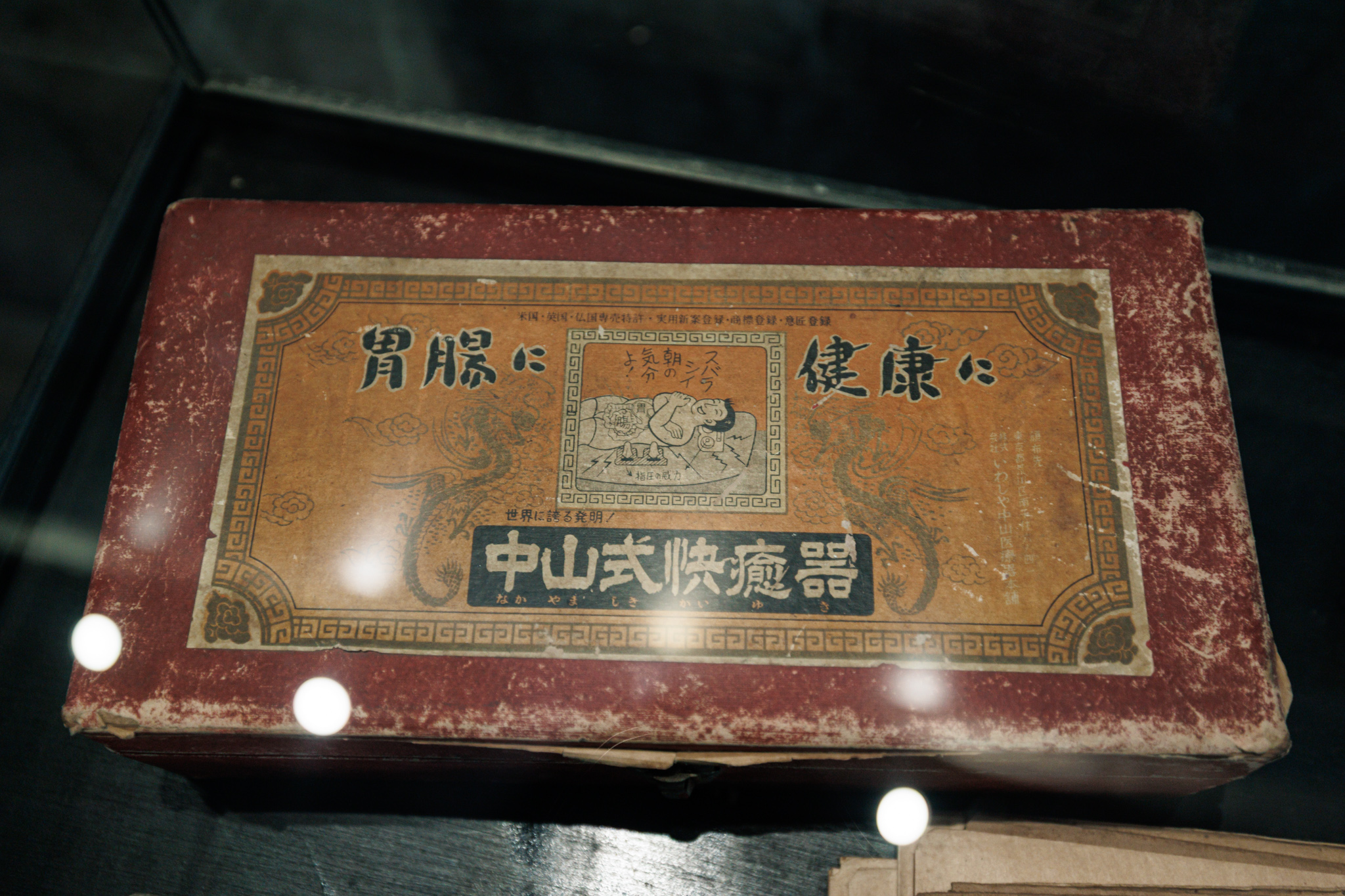
Along the top, in small print, it lists its patents: American, British and French. Those came in the late 1950s, so the box is from well after the war. How it reached Cebu, and who lay on it, I do not know.
Of everything on display in the old jail, it was the only thing promising a wonderful morning.
The garden
Behind the building is a garden. Its old well, said to date from Spanish times, was found during landscaping in 2009 and reopened as the Well of Wisdom, Love and Good Fortune.
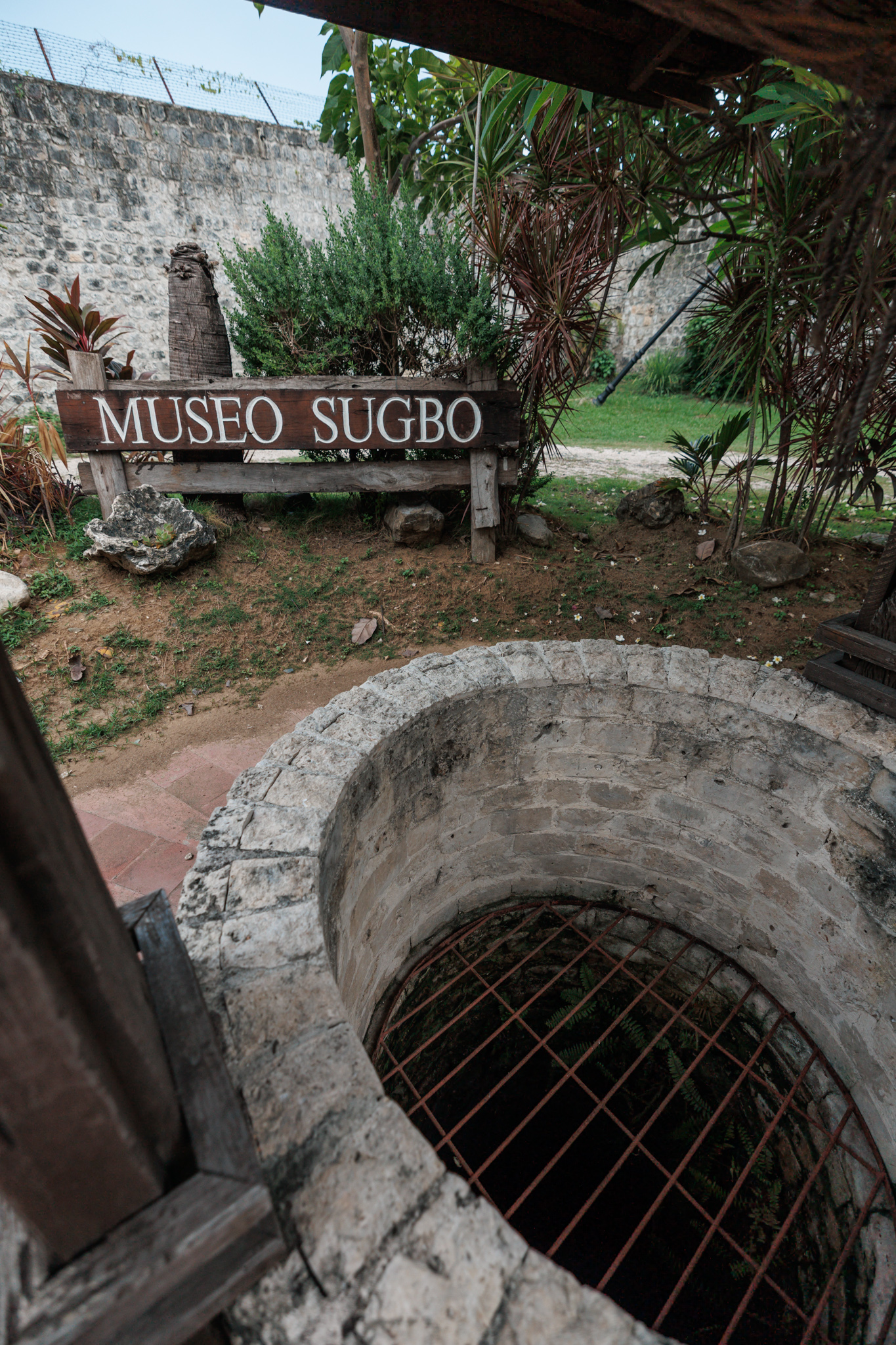
Under a tree nearby is the transferee.
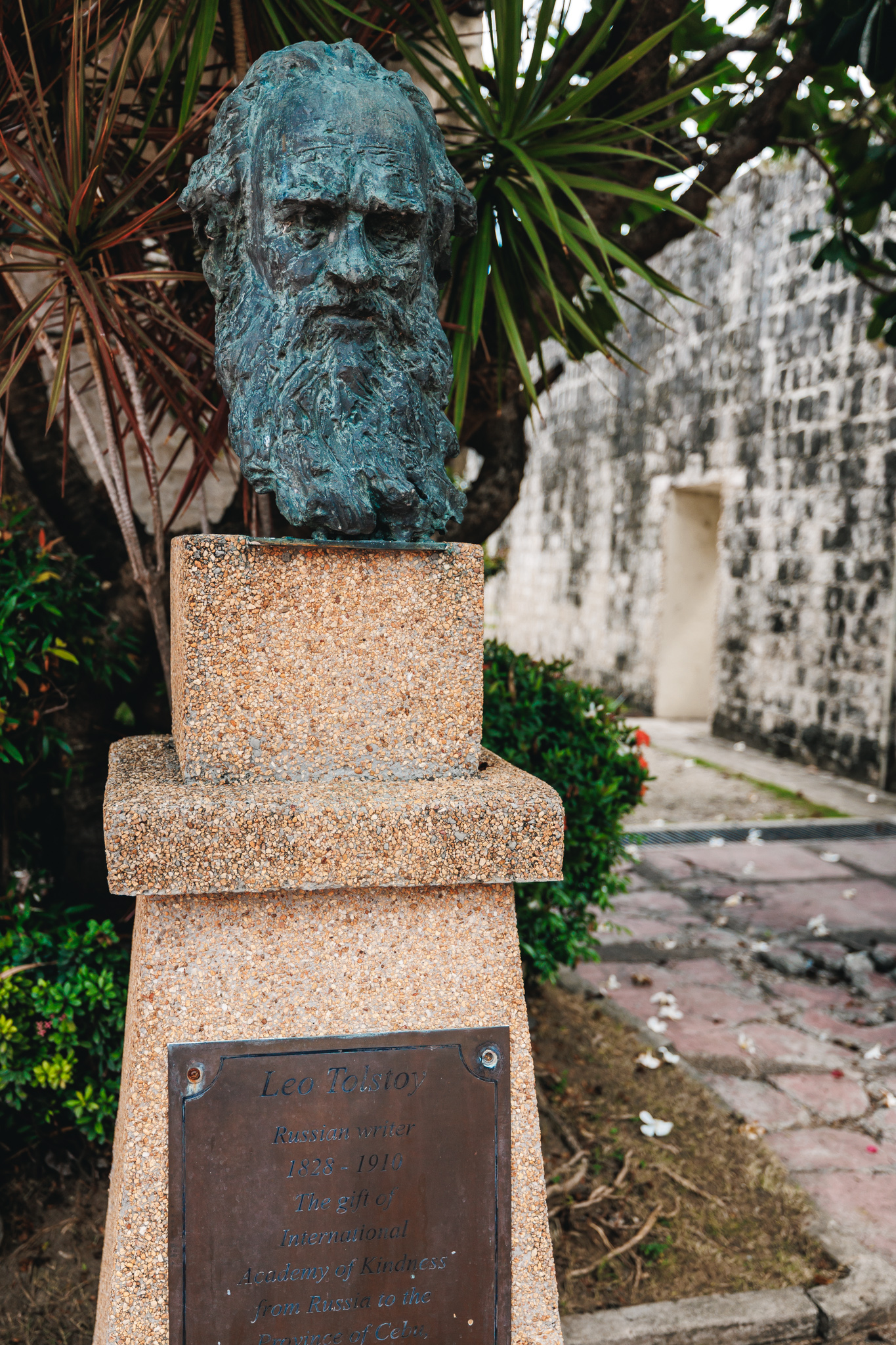
The plaque calls him a gift “from Russia to the Province of Cebu”. His sculptor, Grigory Pototsky, has also given the Philippines Pushkin, Dostoevsky and José Rizal, the Philippine national hero.
Tolstoy was never held in a jail himself.
He did write about prisons. In Resurrection, published in 1899, a nobleman serving on a jury recognises the woman in the dock, and follows her all the way to prison in Siberia. The novel is an attack on the hypocrisy of the church and the courts.
Its author now spends his days in the yard of an old jail, among the flowers.
By the standards of his own novel, he has been treated rather well.
Visit this place
Location
Museo Sugbo
In the former provincial jail on M. J. Cuenco Avenue, Cebu City. Not to be confused with the National Museum of the Philippines – Cebu, in the old customs house.
731 M. J. Cuenco Avenue, Cebu City, 6000 Cebu, Philippines
Practical Information
These photographs were taken in May 2023. The museum reopened in August 2025 after almost two years of closure, with some sections still under repair; the displays may have changed. Check current opening days and admission before visiting.
Information last checked: October 16, 2026 (Reopening and repairs per SunStar (August 2025); visitor services confirmed by Cebu Province (July 2026). Current opening days and admission could not be confirmed consistently.)
Conversation
Comments
Review pending commentsComments are reviewed before appearing. The internet already contains enough unattended surprises.
Loading comments…
Leave a comment