An Odd Day · Cebu City, Philippines
An Odd Day in Cebu: A Drive through “Walking in the Water”
Giant hands, dragons on the roofs and a pig on a plate, with a car and a driver to join them up.
Cebu was once Sugbo, a name usually explained as walking in the water: the old landing was shallow, and people waded ashore from their boats. The Spanish wrote it as Cebu.
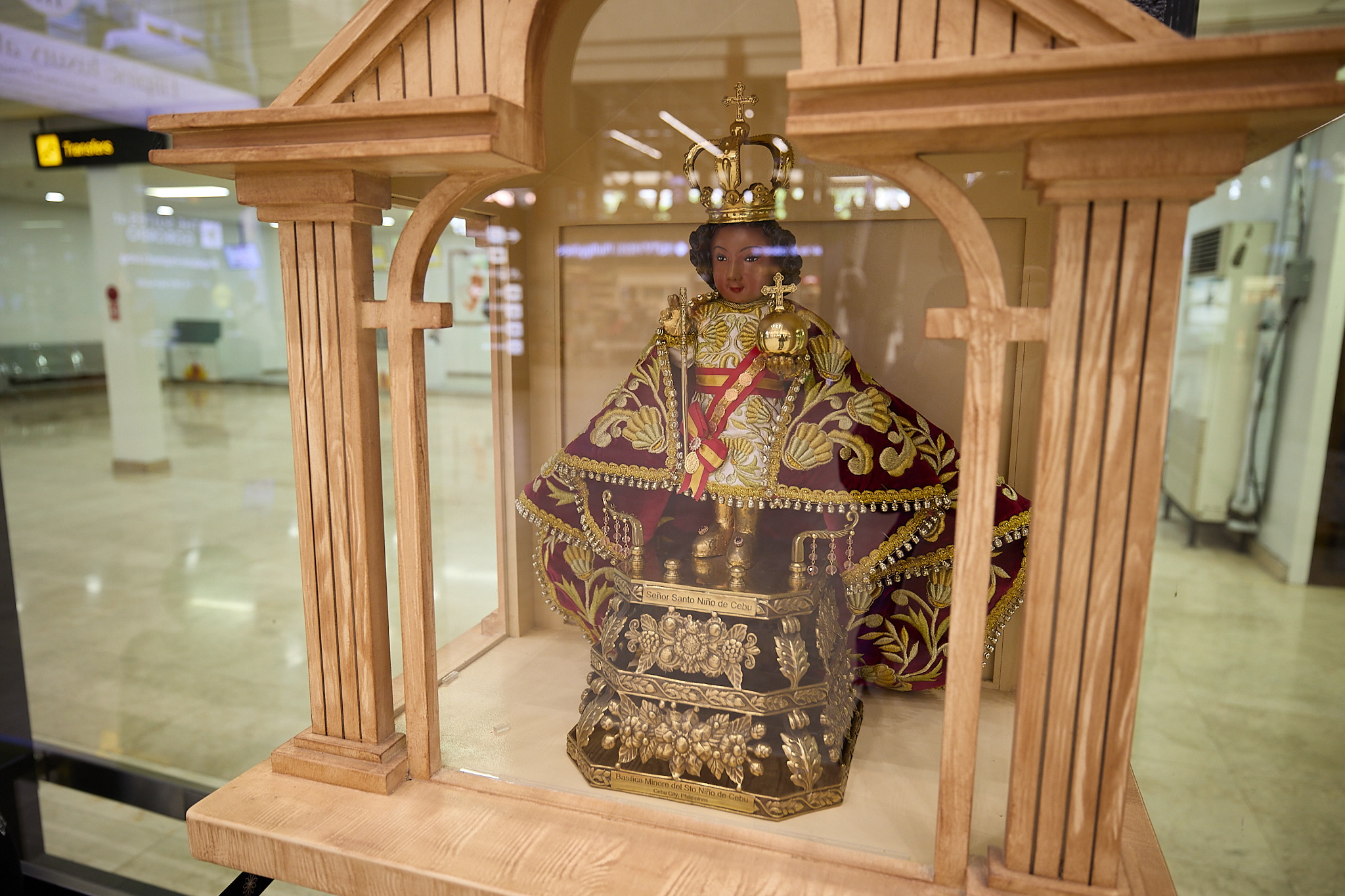
In 1521, Magellan’s expedition brought a small statue of the Child Jesus to Cebu. It is still here, downtown. A copy meets passengers at the airport, crowned, in a glass case near the sign for transfers.
The original can wait until the afternoon. The morning belongs to the hills, where the city keeps a garden with giant hands, a temple a husband built for his wife, and dragons in a neighbourhood called Beverly Hills.
The plan is hills in the morning, lunch on the way down, and the old town on foot in the afternoon. The hill stops are well above the city and hard to link by public transport, so book a car with a driver for the day. It costs less than you might expect.
The day at a glance
Morning, by car
Lunch
Afternoon, by car then on foot
Evening
Go between Tuesday and Saturday, when Museo Sugbo is open, and start early, while the hills are cool and quiet. The museum and the fort close first, so the afternoon starts with them. From the fort, the rest is on foot: the driver takes you to the museum and the fort, and picks you up in Parian.
Start at the top
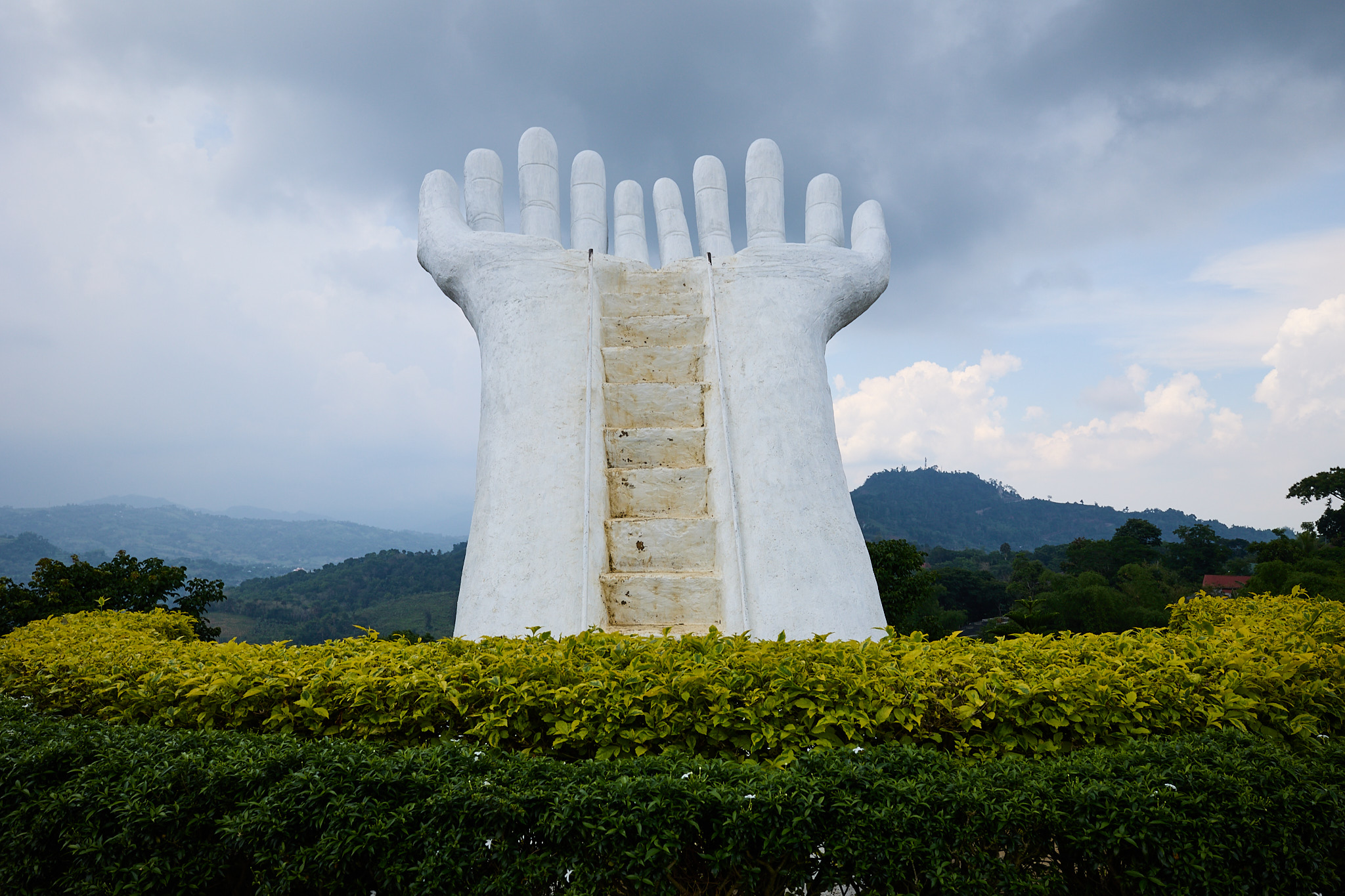
Sirao Garden began as a flower farm and became a photo garden, nicknamed Little Amsterdam, with a windmill and a white carriage among the flower beds. Its stars are two giant white hands rising out of a hedge. Climb the stairs between them and you can stand on a palm, with the mountains beyond the fingers.
Halfway down
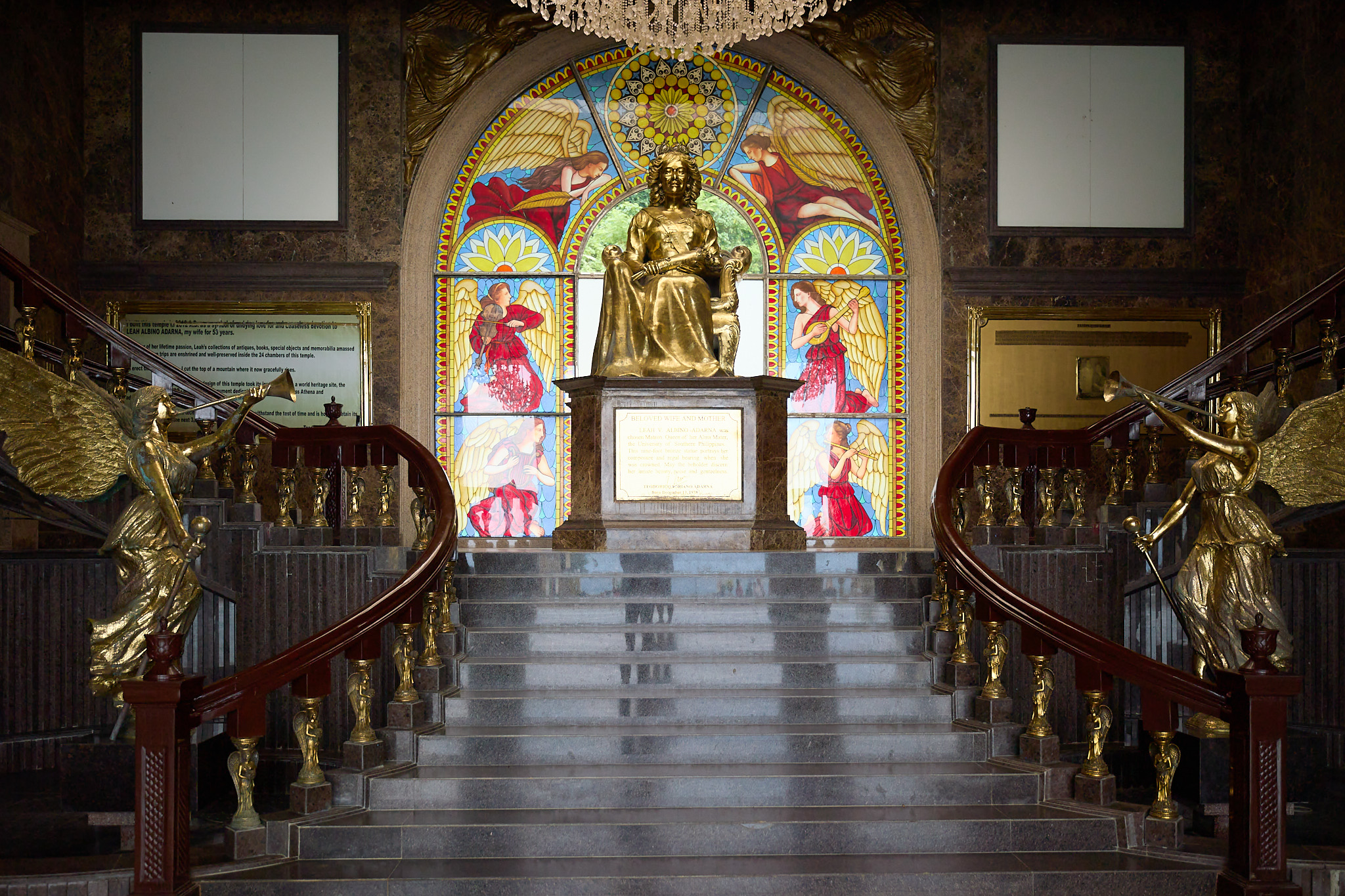
A husband built this temple for his wife of 53 years, with columns, a pediment and golden lions, and took his cue from the Parthenon. At the back, crowned and seated, is Leah herself, in nine feet of bronze.
Beverly Hills
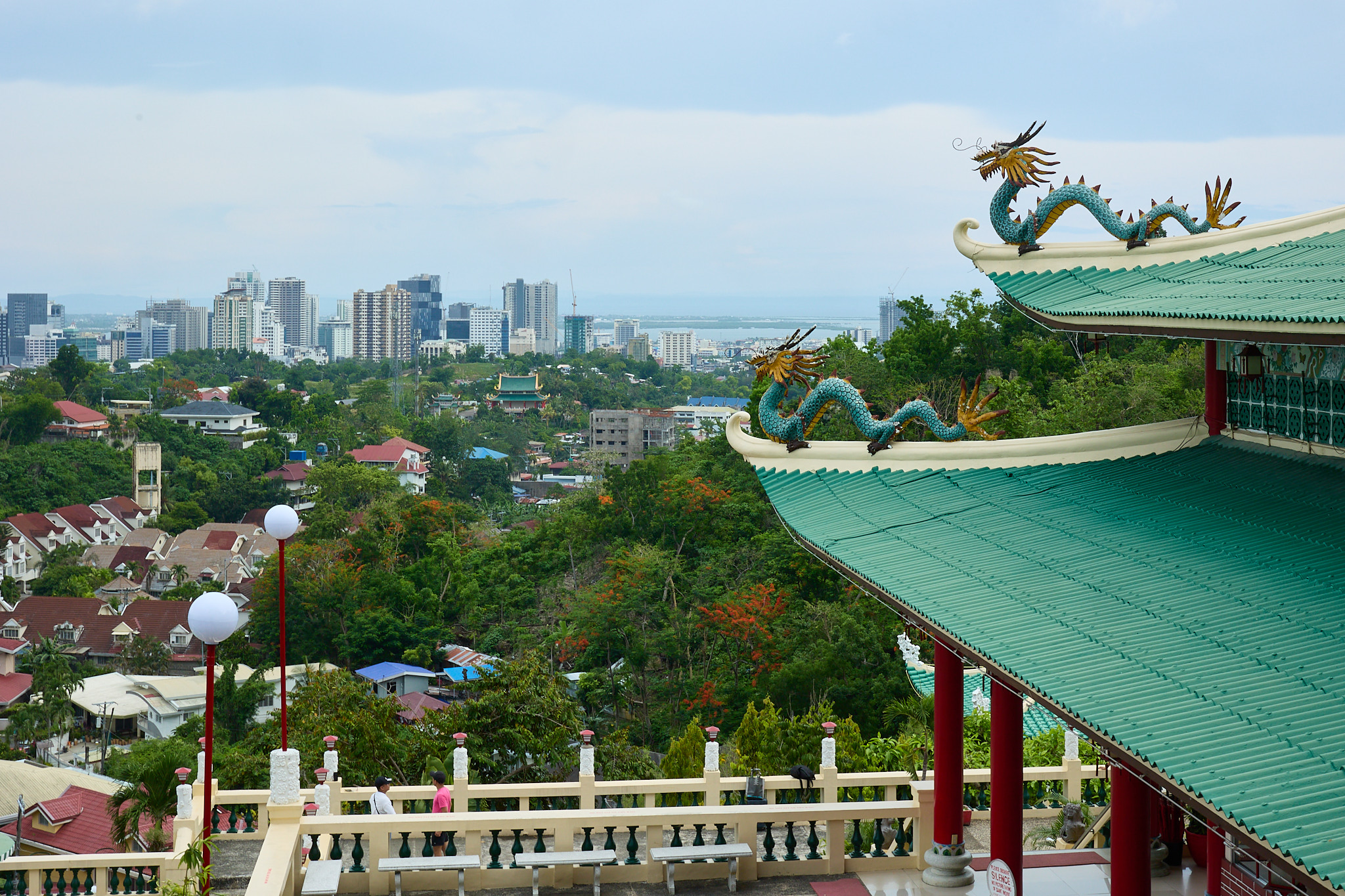
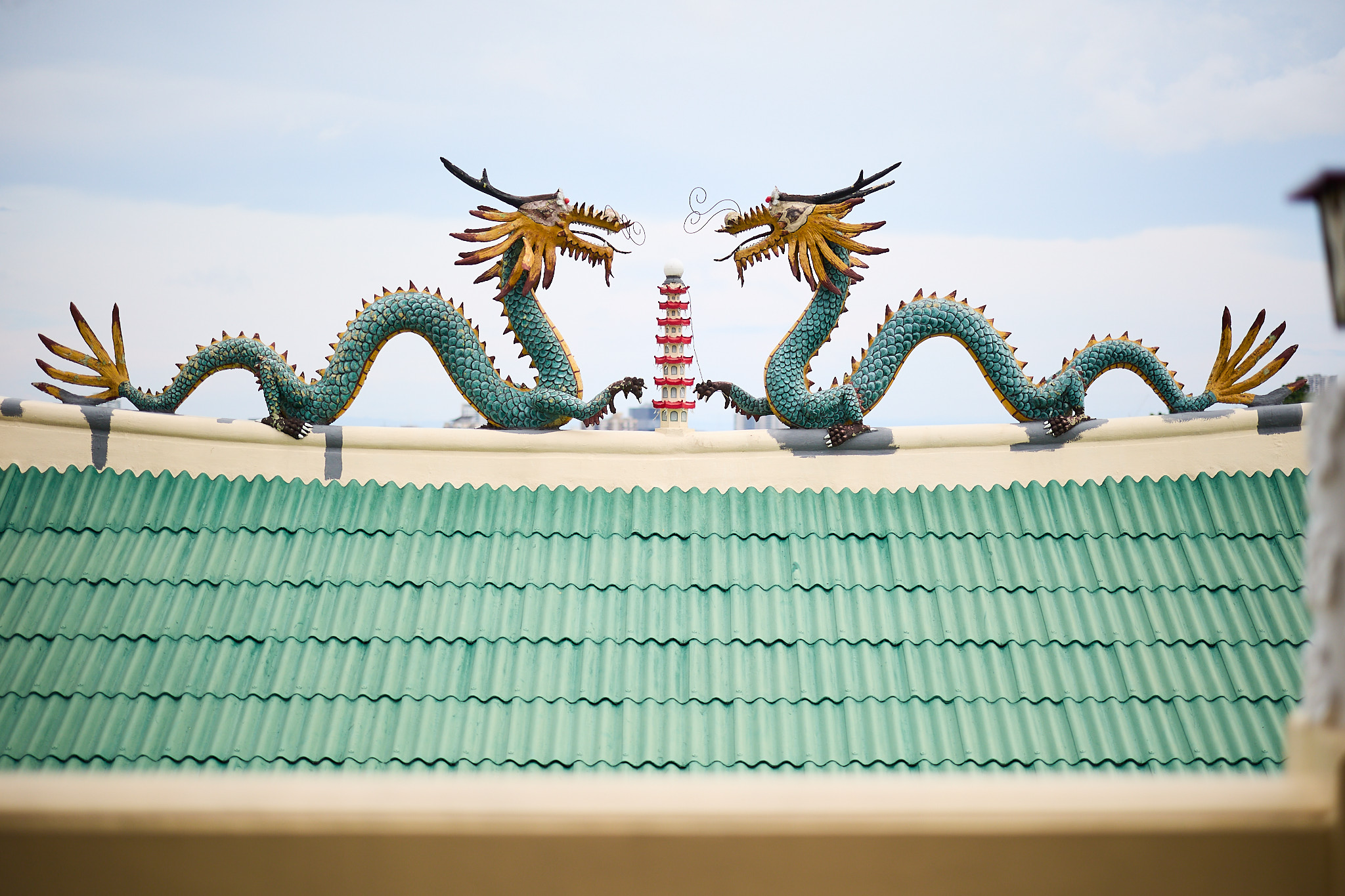
Near the top of Beverly Hills, a residential hillside in Lahug, the city’s Chinese community built a Taoist temple. Dragons have taken almost every roof. There is a wishing pond, too, and a fisherman from an old Chinese story.
Lunch, from another town
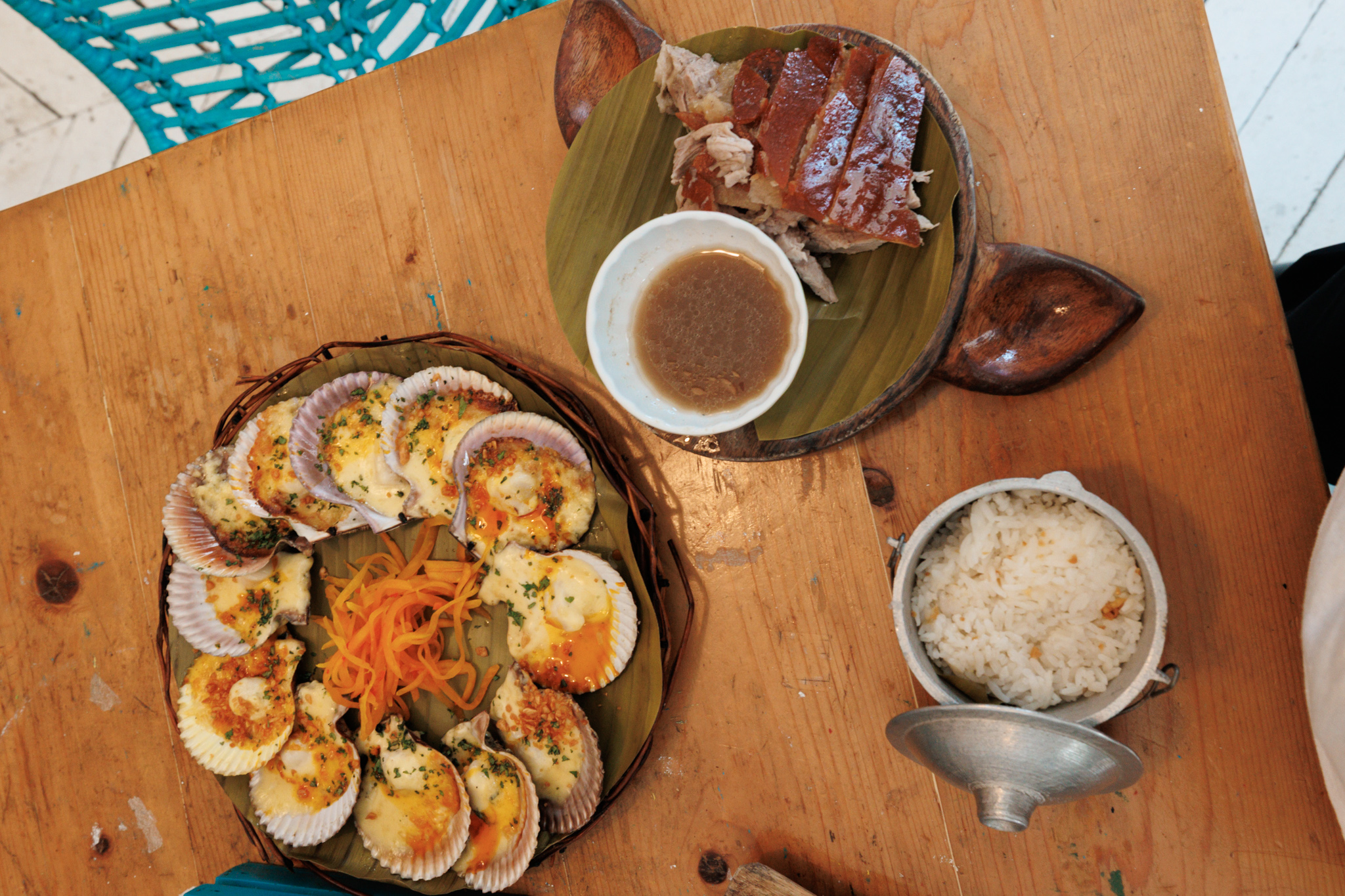
Lechon is a whole roast pig, and Carcar, about an hour south, is known for some of Cebu’s best lechon. House of Lechon serves it Carcar-style in the city: crisp skin, sold by weight, on a plate shaped like a pig’s face.
Carcar itself is another day.
Start in the old jail
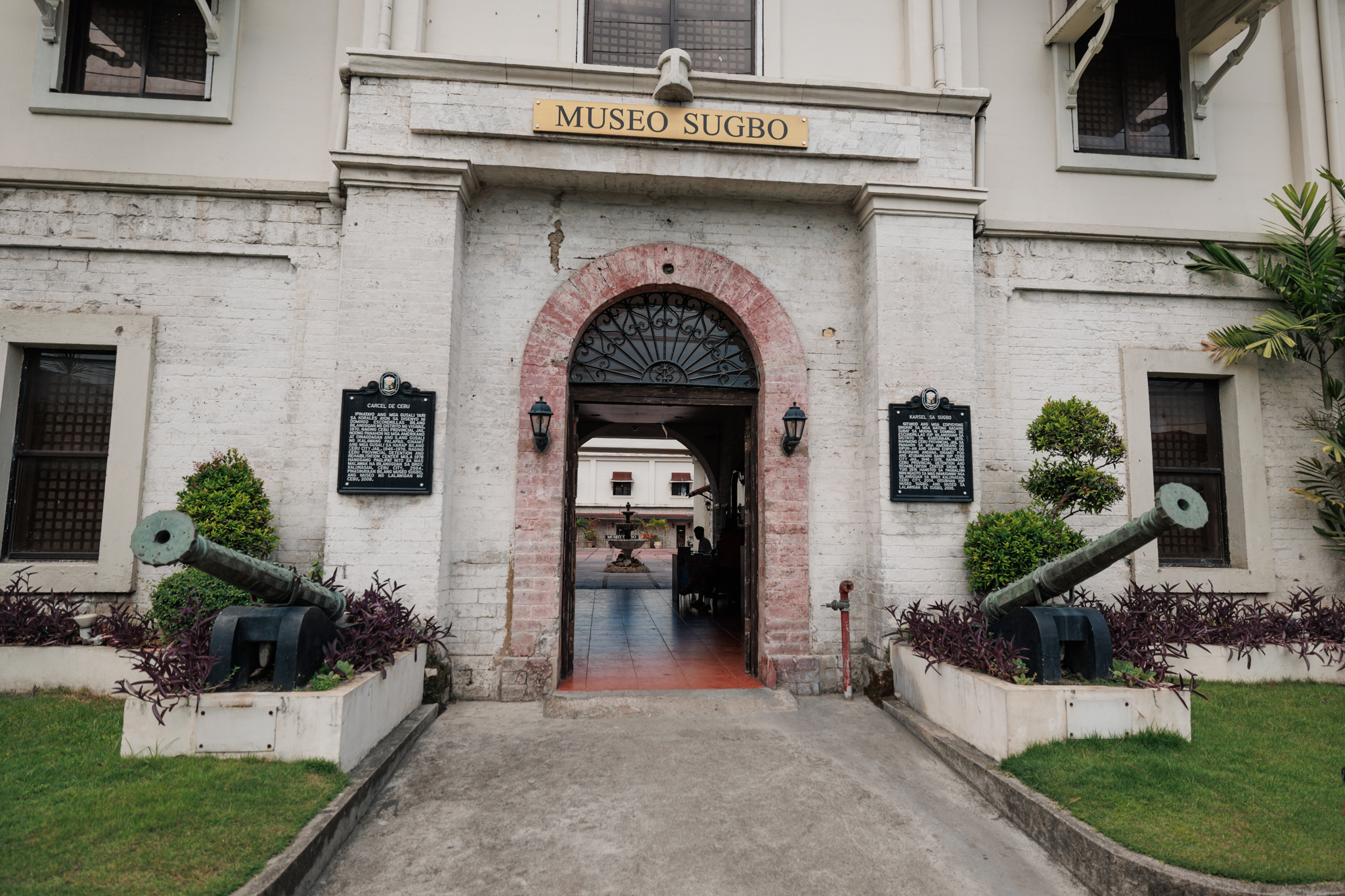
Museo Sugbo, which keeps the old name, was Cebu’s provincial jail in the nineteenth century. It is a museum now, and in 2016 a bronze Leo Tolstoy moved in.
By the harbour
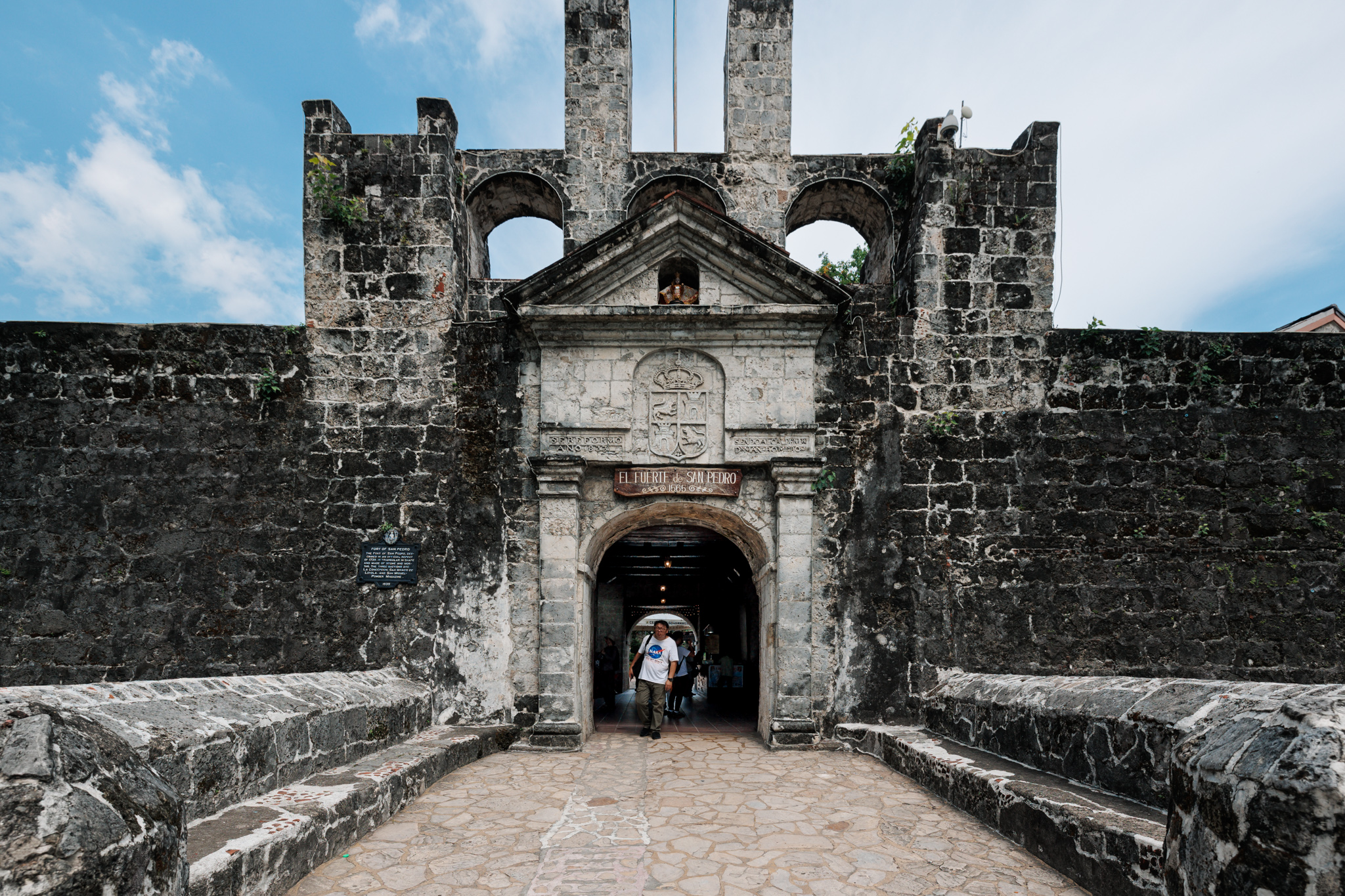
Fort San Pedro, by the harbour, gives three different dates at its gate. Over the years it has been a barracks, a school, a garden and a zoo.
Under a roof of its own
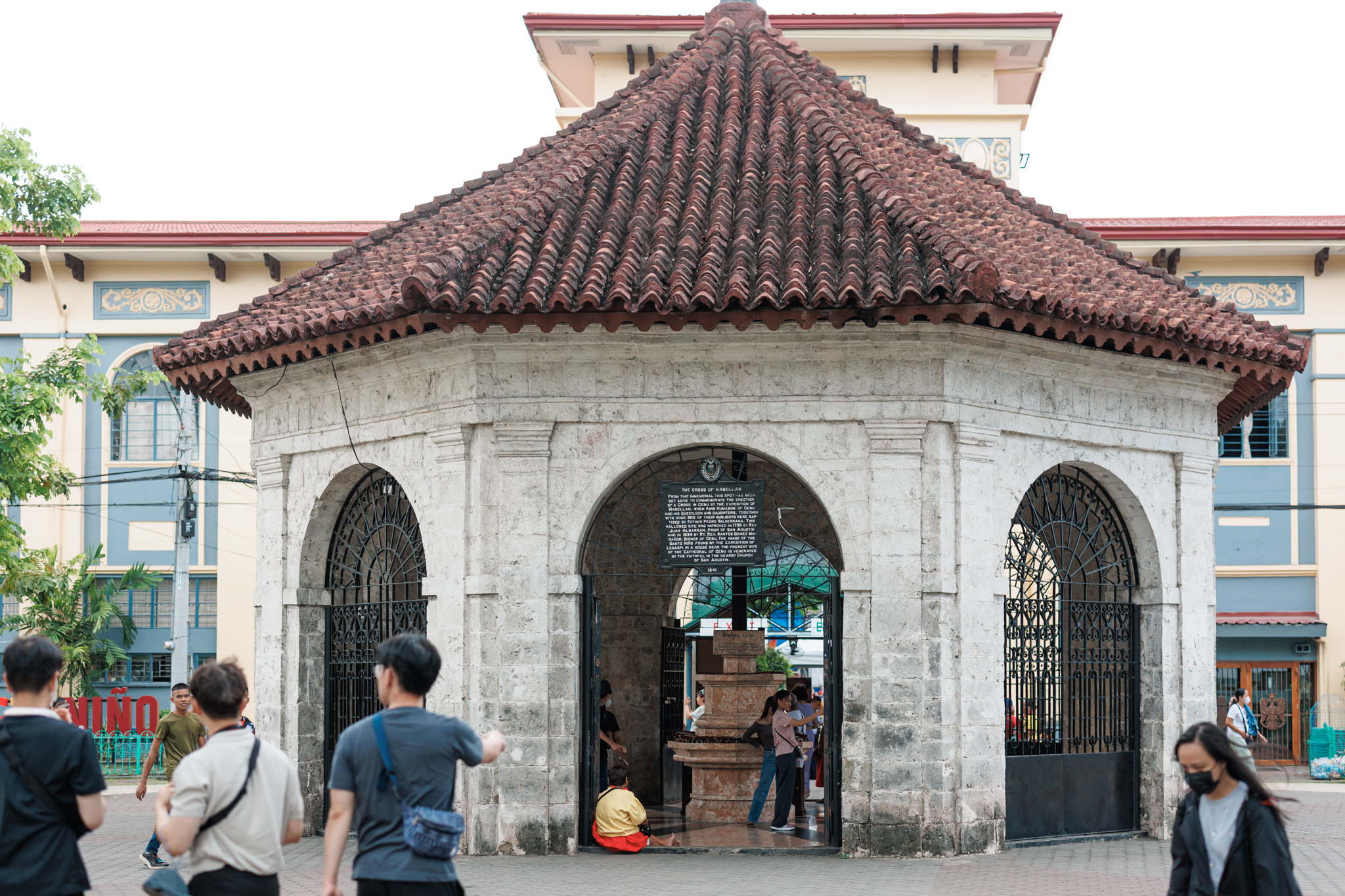
Magellan’s Cross is kept in a stone pavilion, behind iron gates, inside a wooden case. It has needed protecting.
Look up, too.
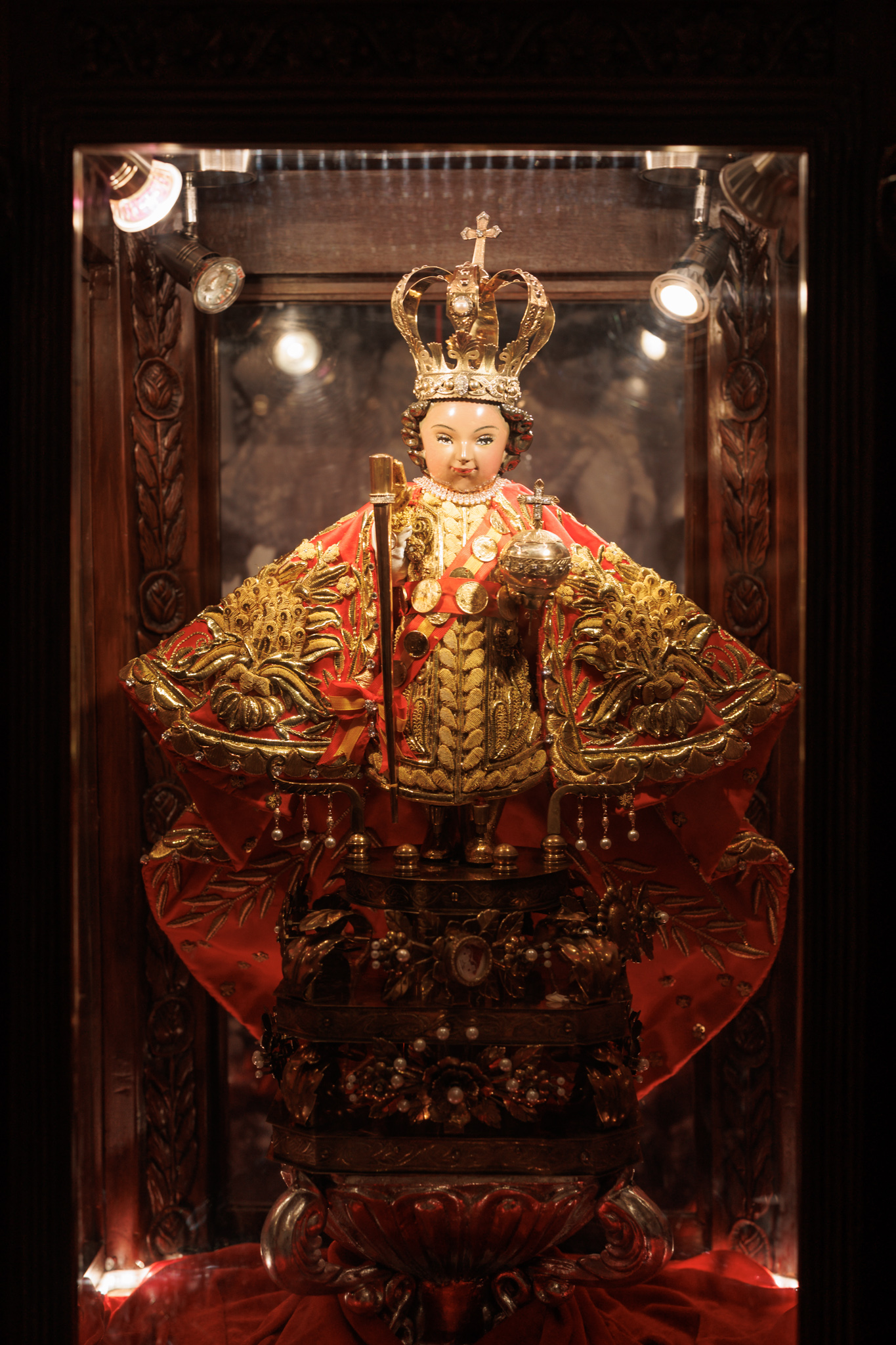
The original
The Basilica del Santo Niño keeps the statue that came with Magellan’s expedition, the original of the airport copy. He holds the rank of Captain General.
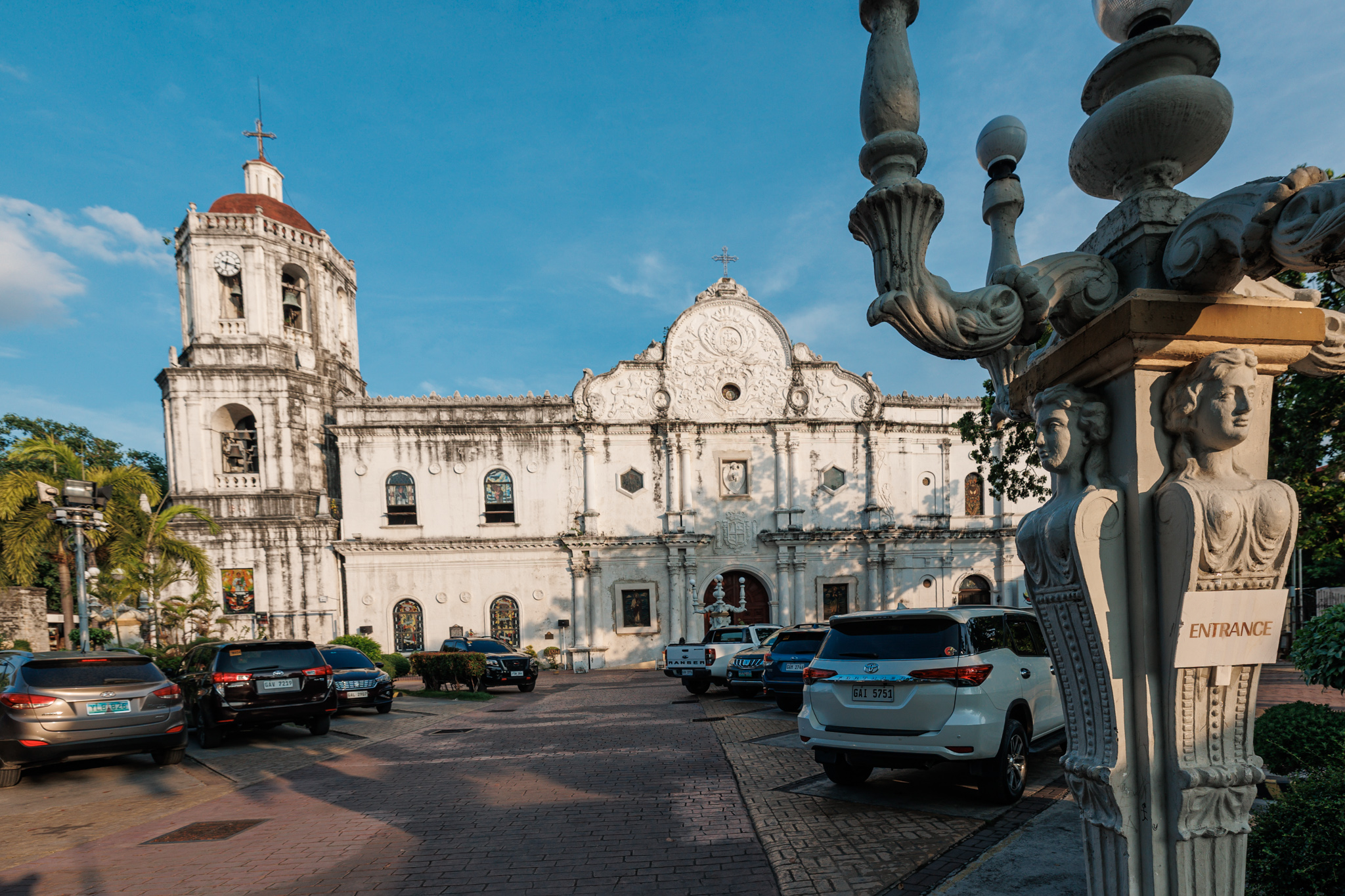
Around the corner
The Cebu Metropolitan Cathedral has a patron saint of its own. He has had a hard time competing with the child down the road.
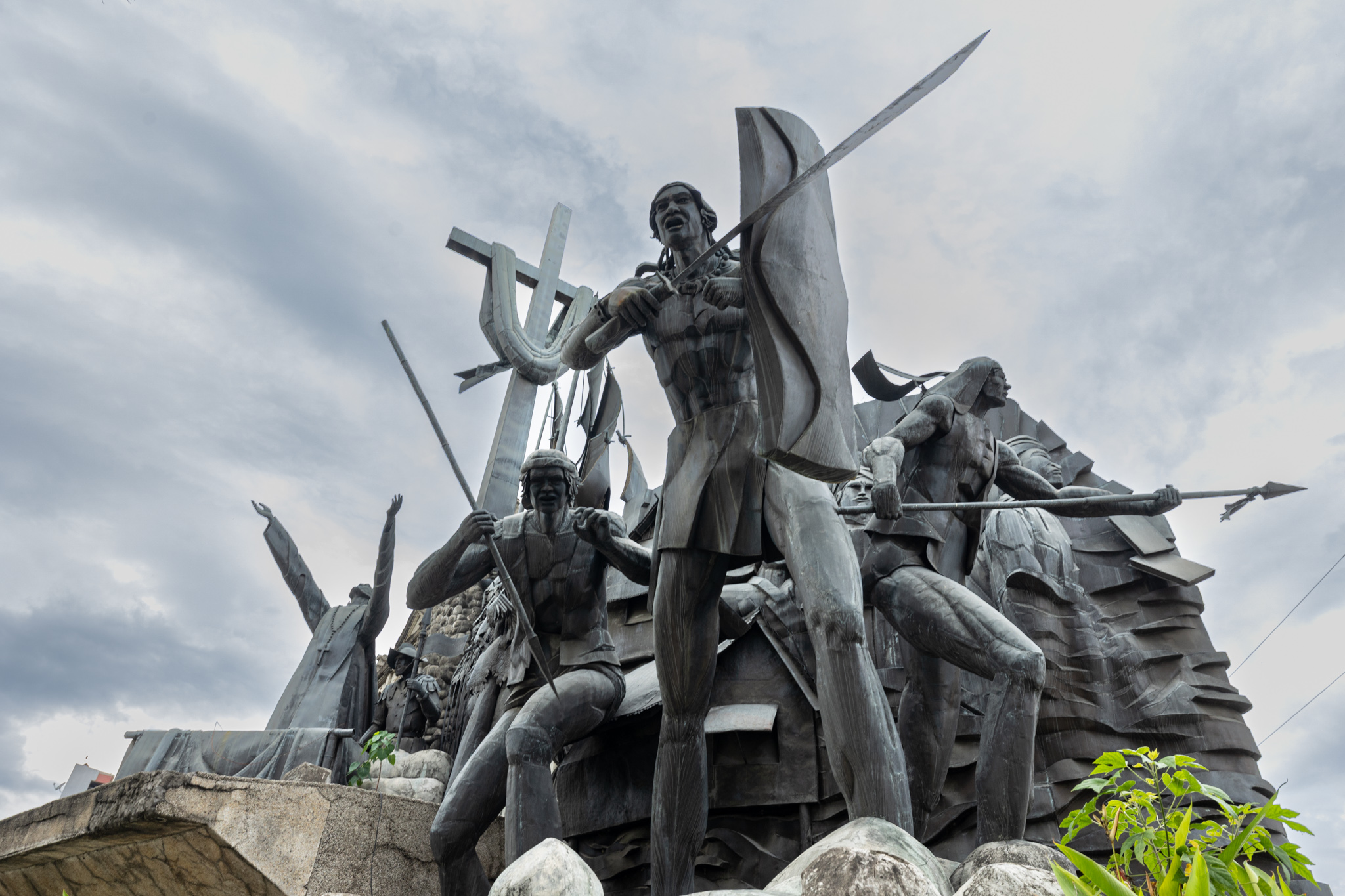
Parian
On a traffic circle in Parian, the Heritage of Cebu Monument fits nearly five centuries of the city into one sculpture: a battle, a saint, a president, a church that is no longer there.
Across the road
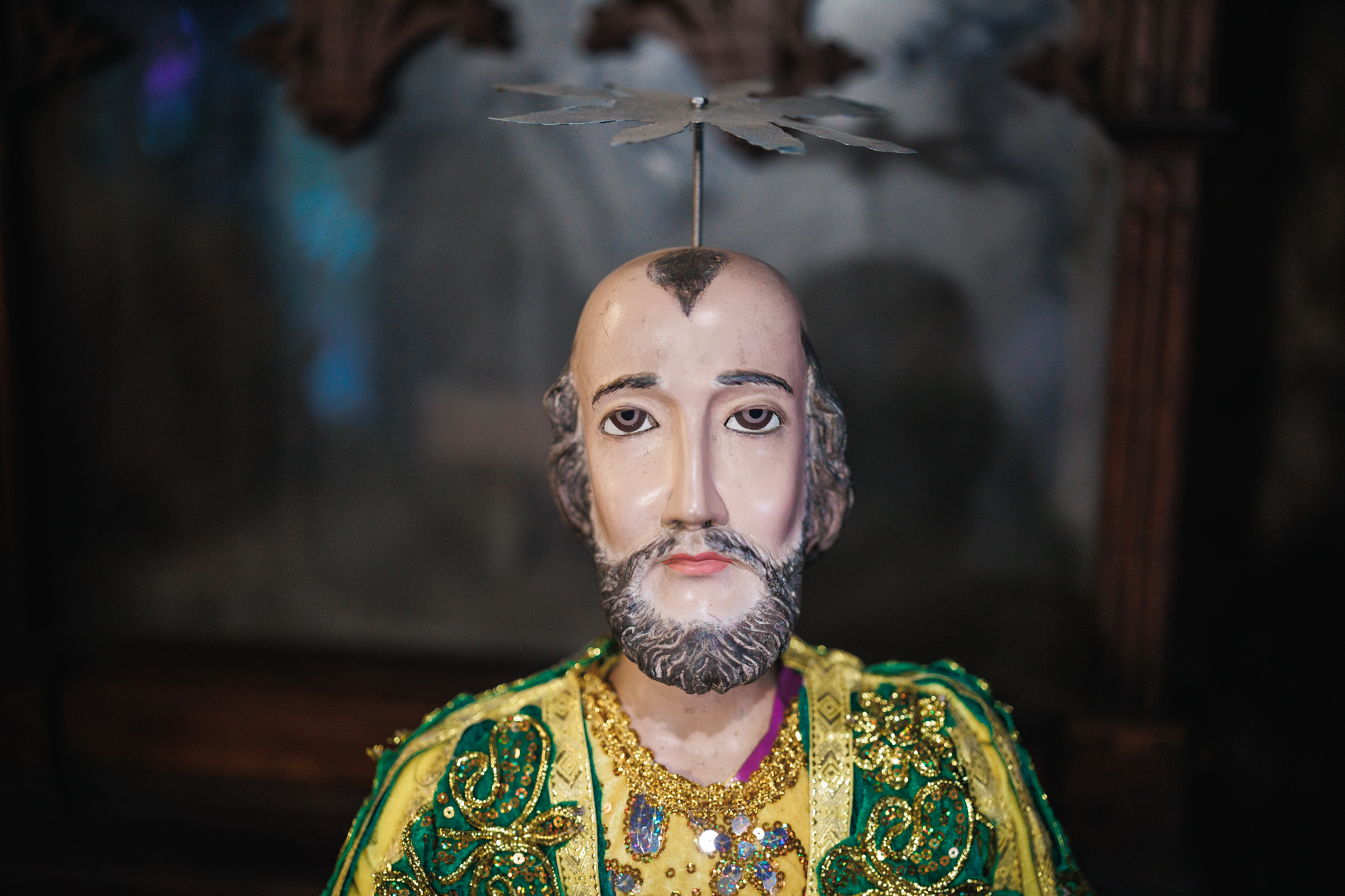
The Yap-Sandiego Ancestral House, one of the oldest houses in the Philippines, is full of saints made to be dressed.
Something to stir
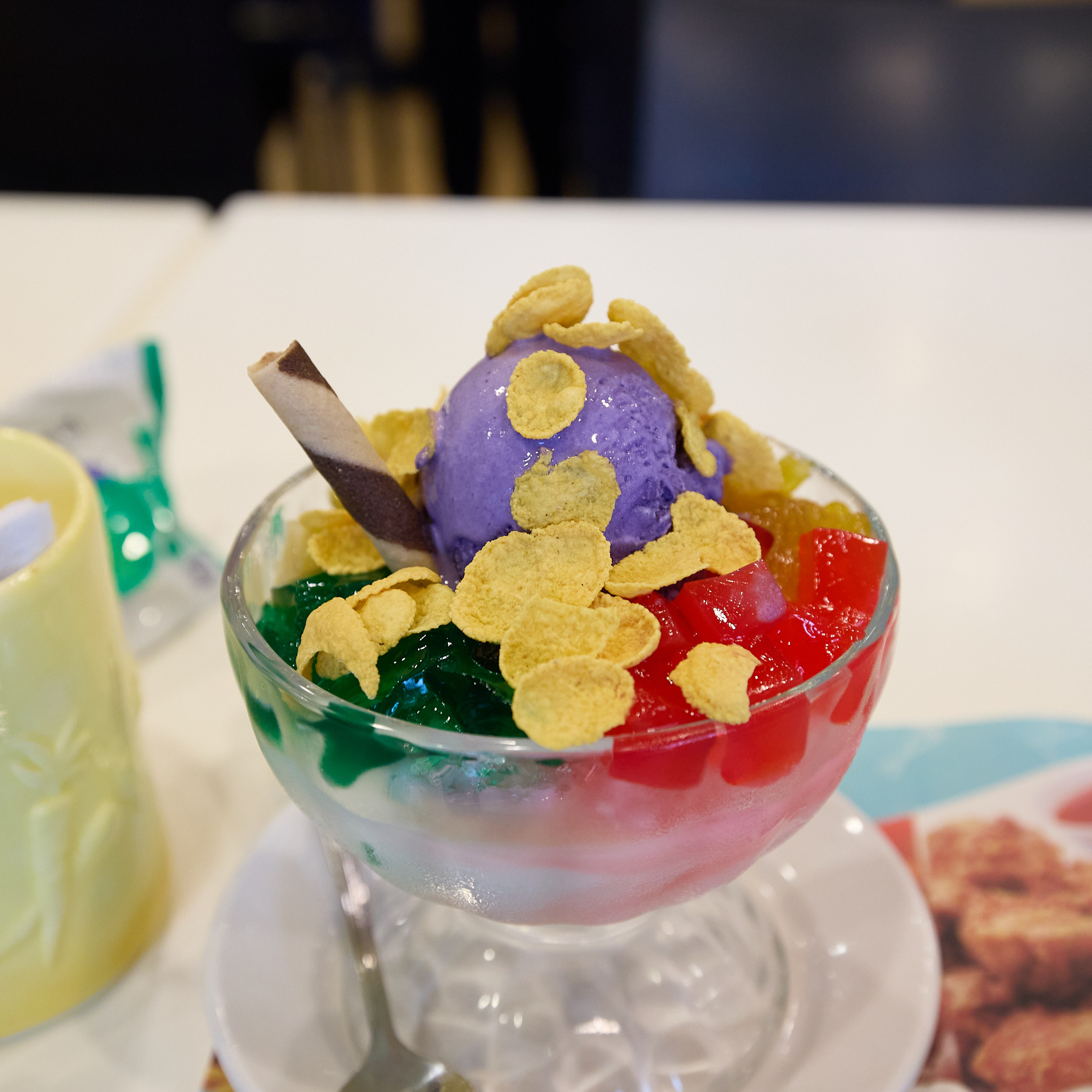
Manila Foodshoppe, on Escario Street, serves Chinese-inspired Filipino food. Have chop suey, then halo-halo: shaved ice, jellies and sweet things under purple ice cream and a wafer roll. It arrives in tidy layers. It is meant to be stirred.
Back at the hotel, there is San Miguel: a beer with a Spanish name and a Manila address.
Another day, south: Simala and Carcar
Plan this for an early start: Simala is a long drive south.
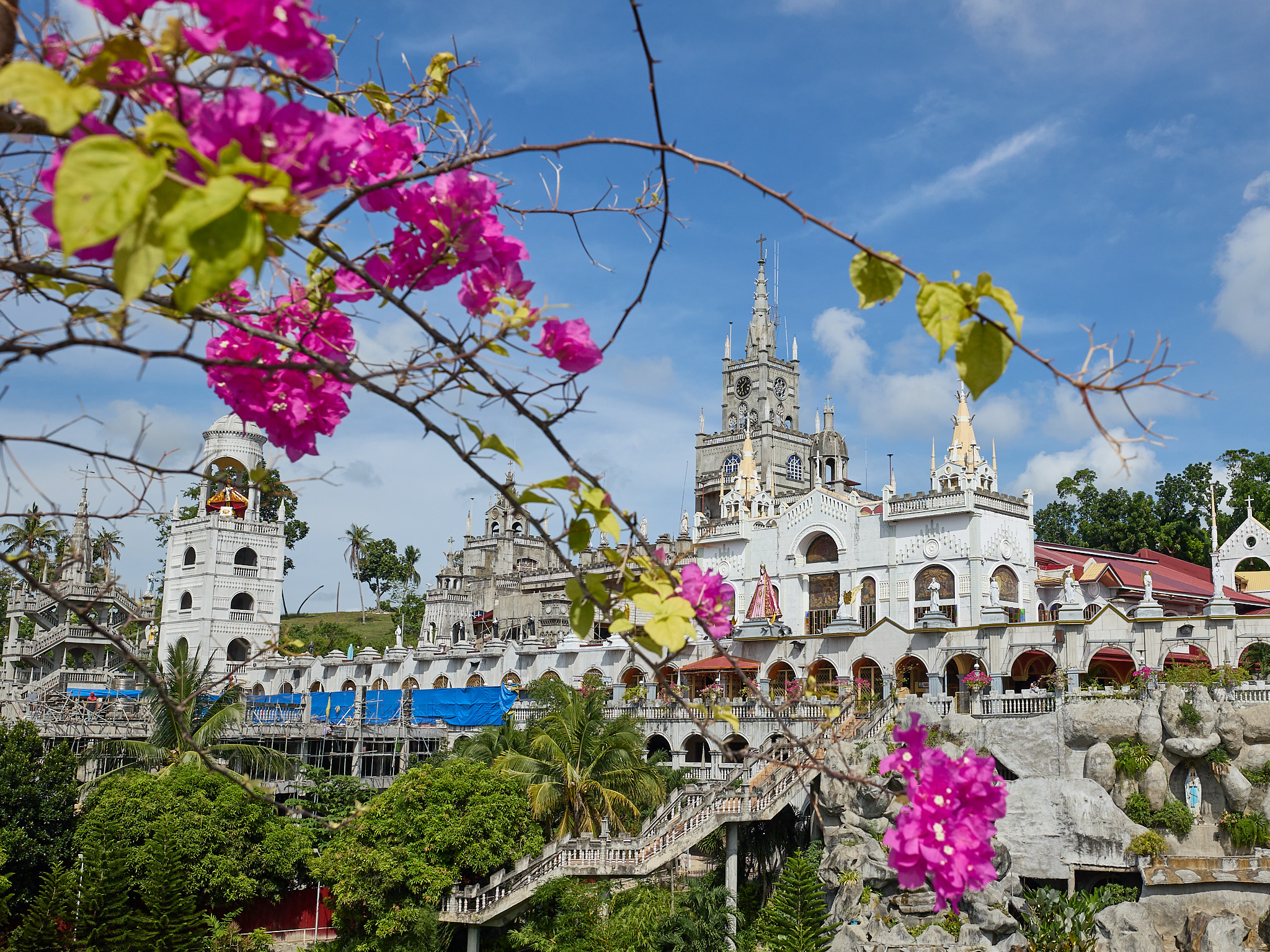
Simala Shrine, on a hill in Sibonga, is officially a monastery. It looks like a castle, with spires, a clock tower and arcades stacked up the slope, and pilgrims come to it for Mama Mary.
On the way back, stop in Carcar for chicharon, fried pork skin, from the roadside stalls (read this before you pack any for the flight home), and lechon in the town it is known for, at a small eatery like Lita & Joel.
With an early start, the south and the hills fit into one long day.
If your car starts at the airport: Mactan Shrine
Mactan Shrine, 10–15 minutes from the airport at Punta Engaño, marks the Battle of Mactan, with a statue of Lapulapu and an older monument beside it. Ask the driver to stop on the way into the city. From the shrine, the city can take anywhere from 40 minutes to an hour and a half at rush hour.
Other meals in the city
Jollibee is the fast-food chain the Philippines likes best: in a 2023 survey it came first, well ahead of McDonald’s. There is probably one near your hotel. A Super Meal puts fried chicken, spaghetti, a burger steak under mushroom gravy and rice on one plate, with a drink, for ₱199 in 2023.
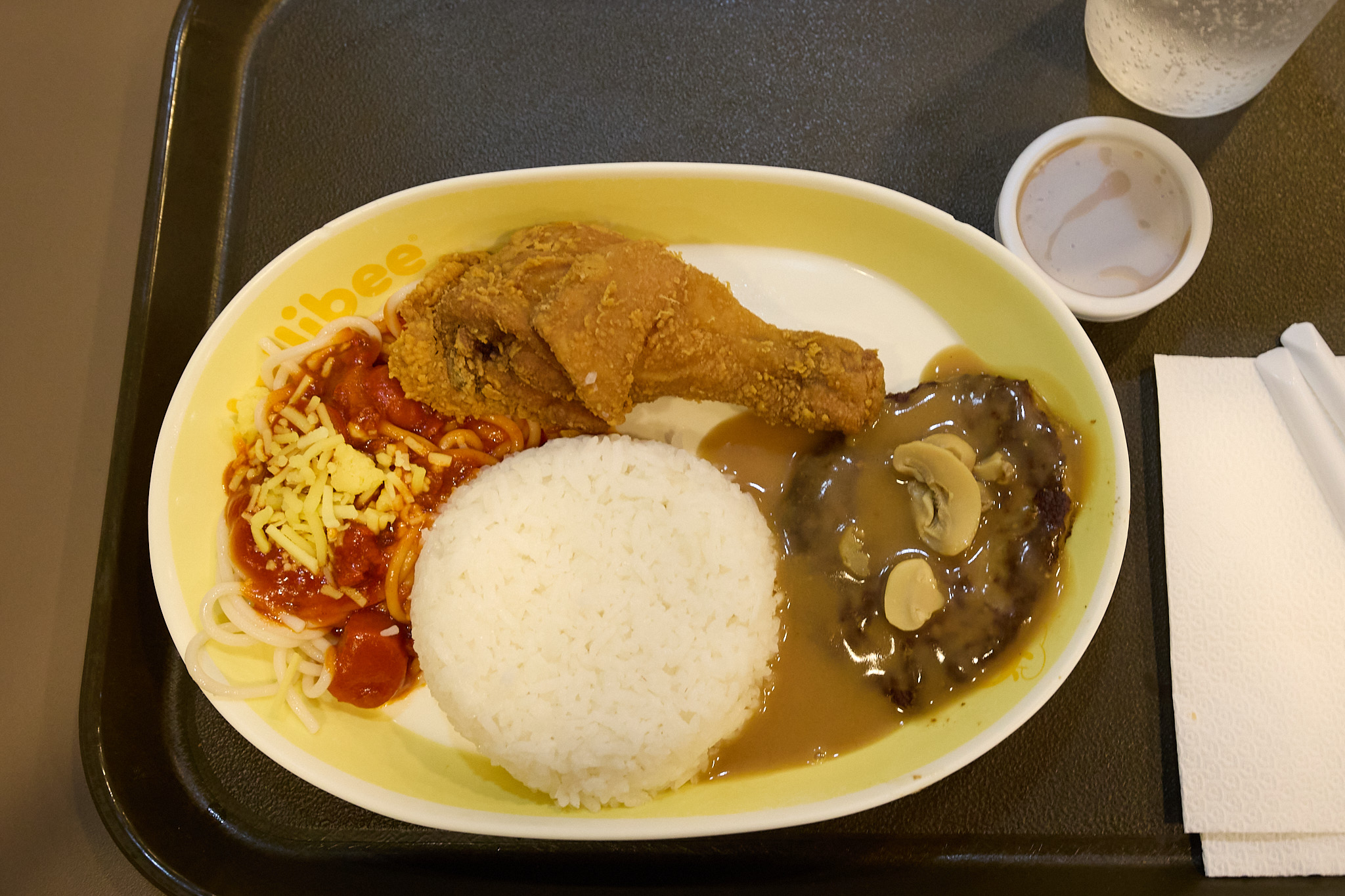
The chicken was crisp, and the meal was cheap and tasty. The spaghetti, with hot dog in the sauce, was sweet, though not as sweet as its reputation.
Kuya J, a Filipino restaurant chain with a branch in Ayala Center Cebu, for kare-kare, a peanut stew eaten with shrimp paste, and pancit canton. Read more: Kare-Kare and Pancit Canton
Departures
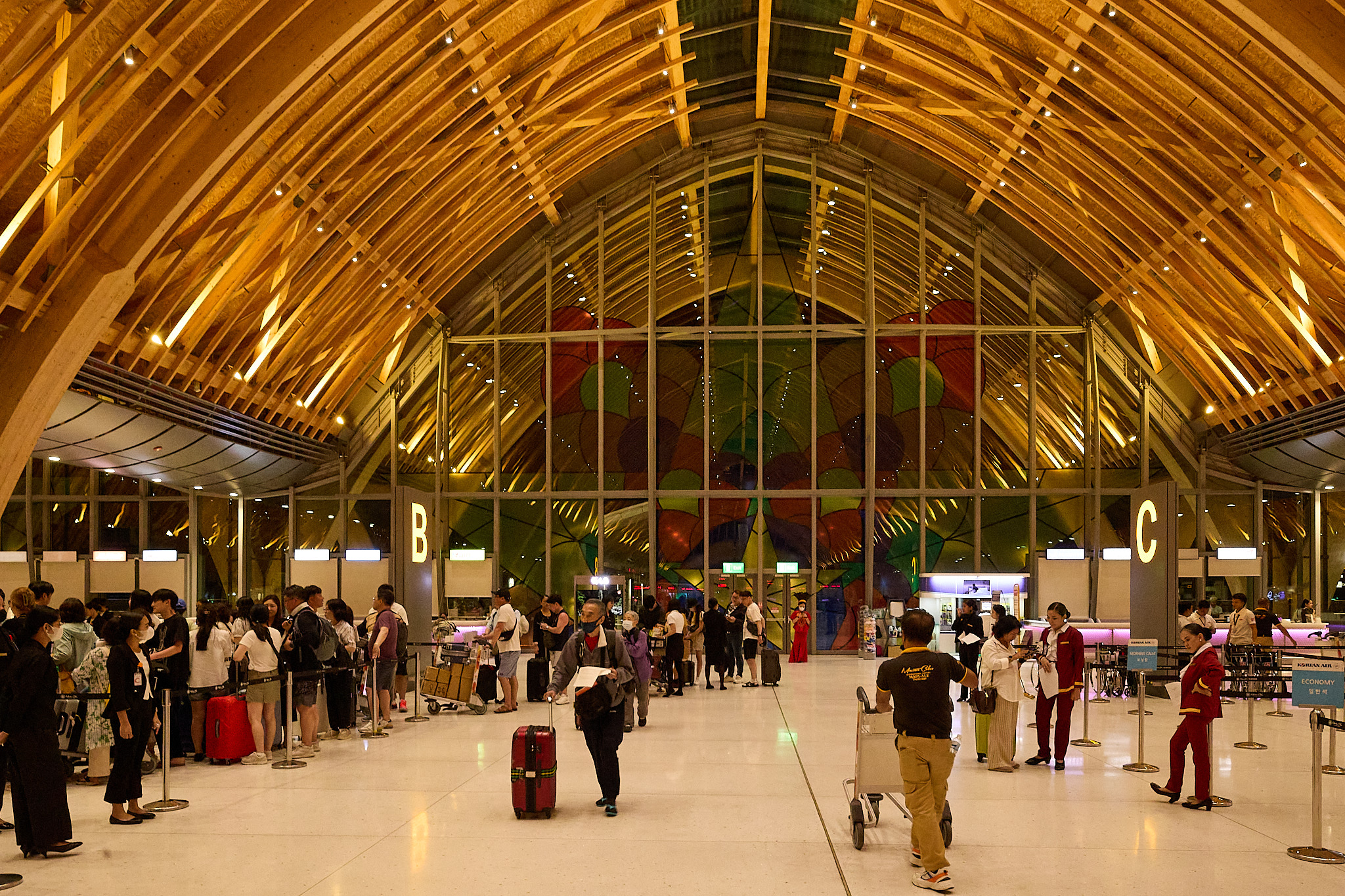
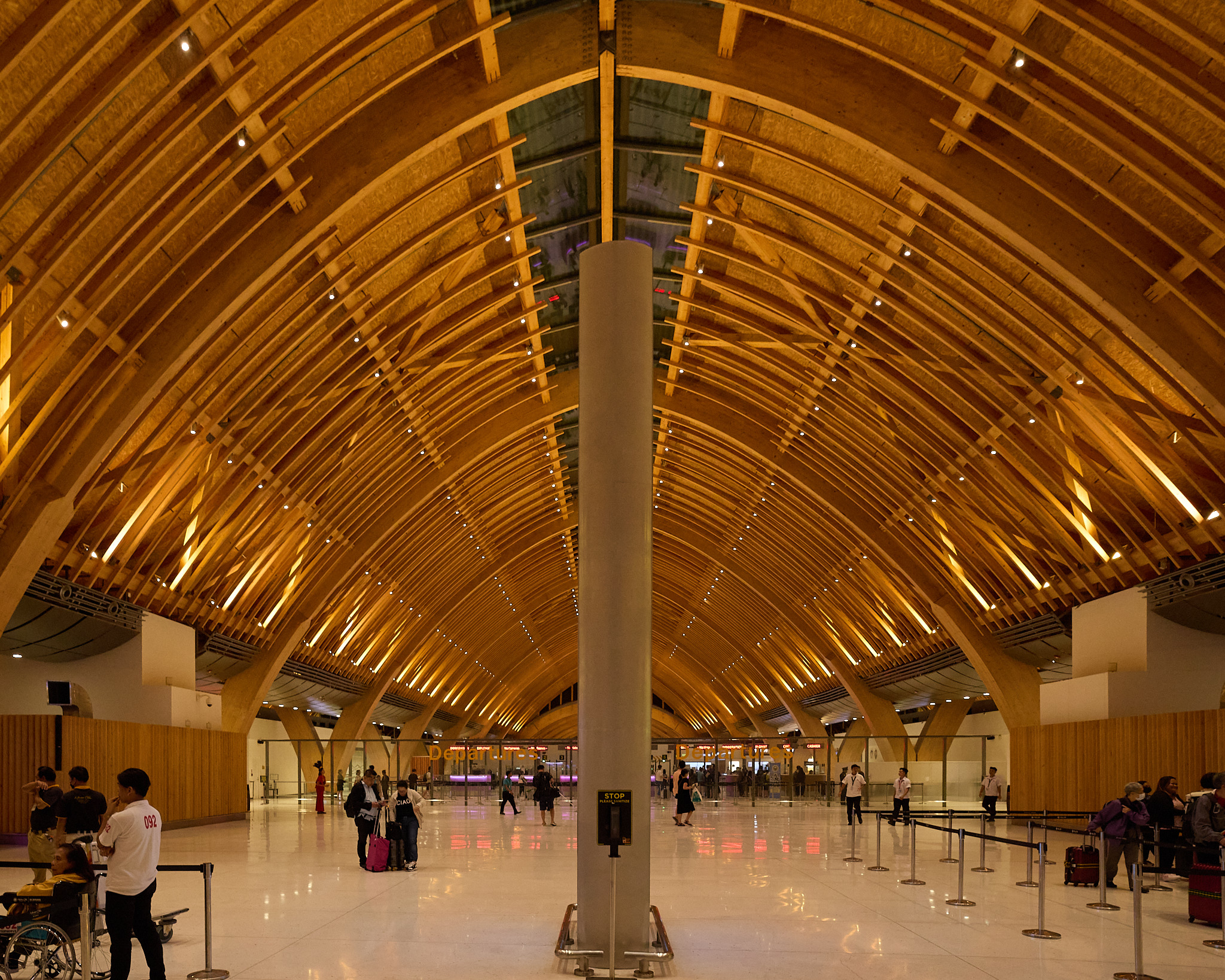
The departures hall of Terminal 2 is roofed with arches of laminated timber. The designers say rolling waves inspired the roof.
The airport is not in Cebu City. It is on Mactan, in Lapu-Lapu City, named after the chief whose men killed Magellan there in 1521.
Cebu meets you with the child Magellan brought, and sees you off from the city named after the man who stopped him.
Plan the day
The map marks the stops, including the optional trips south and to Mactan.
Includes the driving and walking routes, suggested stops and the airport. Opens in a new tab.
- 1 · Sirao GardenGoogle Maps ↗
- 2 · Temple of LeahGoogle Maps ↗
- 3 · Cebu Taoist TempleGoogle Maps ↗
- 4 · House of LechonGoogle Maps ↗
- 5 · Museo SugboGoogle Maps ↗
- 6 · Fort San PedroGoogle Maps ↗
- 7 · Magellan’s CrossGoogle Maps ↗
- 8 · Basilica del Santo NiñoGoogle Maps ↗
- 9 · Cebu Metropolitan CathedralGoogle Maps ↗
- 10 · Heritage of Cebu MonumentGoogle Maps ↗
- 11 · Yap-Sandiego Ancestral HouseGoogle Maps ↗
- 12 · Manila FoodshoppeGoogle Maps ↗
- Another day · Simala ShrineGoogle Maps ↗
- Another day · Carcar chicharonGoogle Maps ↗
- Another day · Lita & Joel, CarcarGoogle Maps ↗
- Optional · Mactan ShrineGoogle Maps ↗
- Other meals · Kuya J, Ayala Center CebuGoogle Maps ↗
- Mactan–Cebu International AirportGoogle Maps ↗
Getting around
- A car with a driver. Several Cebu tour operators rent a car with a driver by the block of hours, typically 8, 10 or 12, with hotel pickup in Cebu City or Mactan. Fuel and the driver are usually included; tolls, parking and admission fees usually are not. In 2026, one operator listed an 8-hour sedan at ₱3,500, with extra hours at about ₱300 each. For this route, book about ten hours from a hotel in Cebu City, or about twelve from Mactan.
- Allow for traffic. The driving times in this guide are typical for a weekday, and the late afternoon is the slowest. From a hotel on Mactan, the morning drive to Sirao Garden typically takes 1 to 1¾ hours, and the drive back after dinner 40 minutes to 1½ hours. In mid-January, the Sinulog festival for the Santo Niño closes roads downtown.
- Ask about surcharges. Uphill stops such as Sirao Garden and the Temple of Leah, and trips as far south as Simala, are often charged as extras. Confirm the full route when you book.
- Downtown, walk. From Fort San Pedro, Magellan’s Cross is about 15 minutes on foot. From there, the basilica and the cathedral are a few minutes apart, and Parian is about five minutes further.
Places and opening days
- Sirao Garden: an admission fee is charged. The giant hands had no railing in 2023; take care on top.
- Temple of Leah: an admission fee is charged. Opening hours have changed before; check before you go.
- Cebu Taoist Temple: a working temple. No photography inside the halls; keep quiet.
- Fort San Pedro: open daily, 8:00 to 5:00, according to its official information in October 2026. An admission fee is charged.
- Basilica del Santo Niño and the cathedral: active churches. Avoid disturbing Mass.
- Yap-Sandiego Ancestral House: open daily, 9:00 to 6:00, according to its official information in October 2026. An admission fee is charged.
- Museo Sugbo: open Tuesday to Saturday, 9:00 to 4:30, according to its Facebook page in October 2026; closed Sunday and Monday. Some sections remain closed after its 2025 reopening.
- Manila Foodshoppe: most dishes are sized for two or three to share, with a shorter list for one.
- Simala Shrine: an active shrine and monastery. Keep quiet in prayer areas and follow the posted signs.
If you have less time
- Pick one or two of the hill stops instead of all three. Sirao Garden and the Temple of Leah are on the same road.
- Or skip the hills and spend the day downtown, with lunch at House of Lechon.
Practical information checked in October 2026.
Conversation
Comments
Review pending commentsComments are reviewed before appearing. The internet already contains enough unattended surprises.
Loading comments…
Leave a comment