Niš’s Skull Tower: A Warning, Carefully Preserved
In 1833, the French poet Alphonse de Lamartine was travelling towards Niš, in what is now southern Serbia, under a scorching sun. Some way before the town, he saw a tower standing in the plain, as white as marble. Closer up, he found that its walls were made of human skulls, set in regular rows. Here and there, a little hair was still attached, moving in the wind.
When I arrived, almost two centuries later, the first thing I saw was scaffolding.
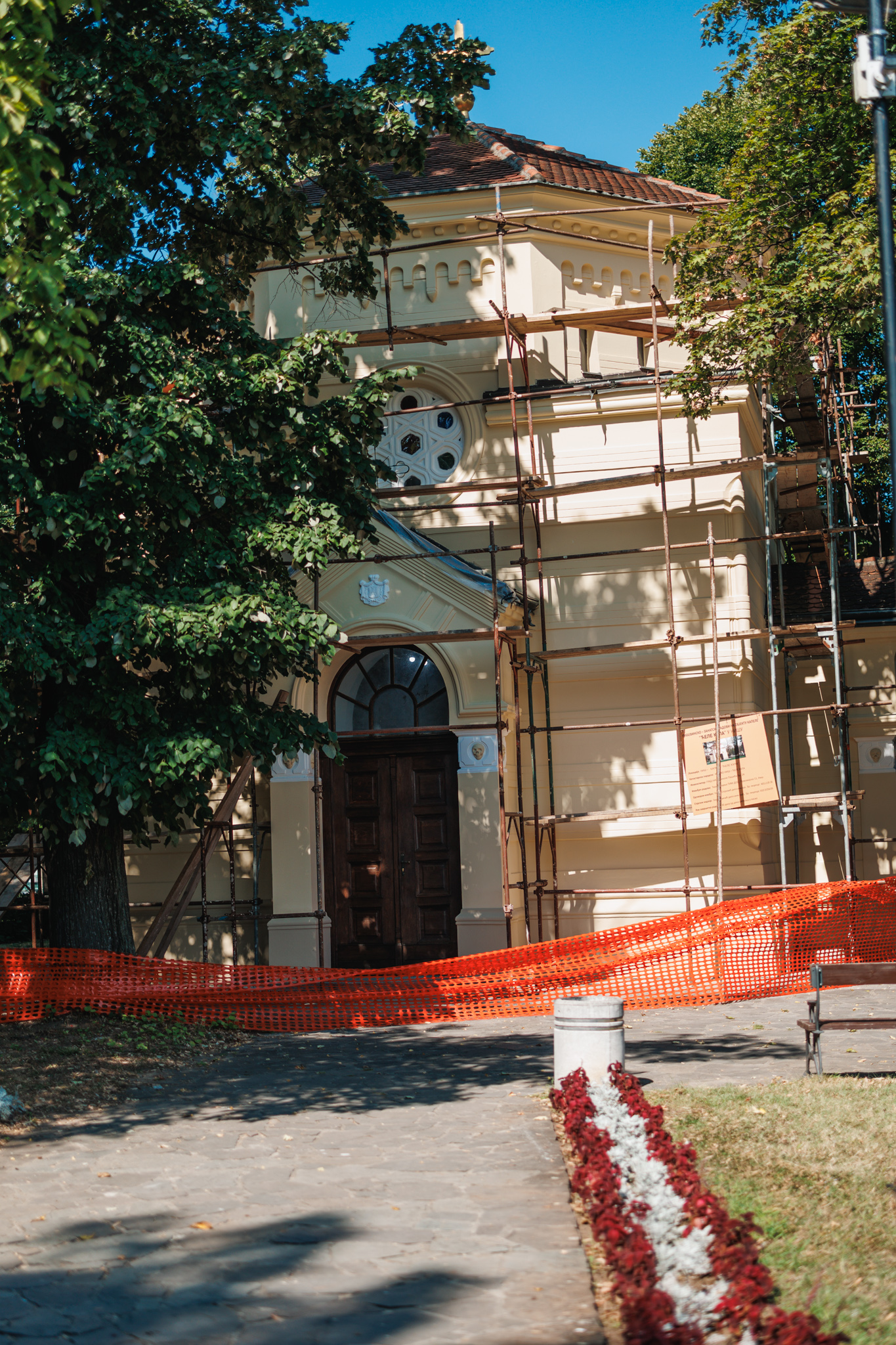
Rusty poles climbed the front of a pale yellow chapel, and orange safety mesh ran along its base. The tower Lamartine had seen from the road was somewhere inside.
Traveller, stop!
In front of the chapel, a bronze bust of a man with a heavy moustache stands on a stone pedestal. The marble plaque beneath it begins with a year, 1809, and then gives an instruction: “Traveller, stop! Turn towards Čegar.” It asks passers-by to remember “the heroes of Čegar, the makers of freedom, Stevan Sinđelić and his fighters.”
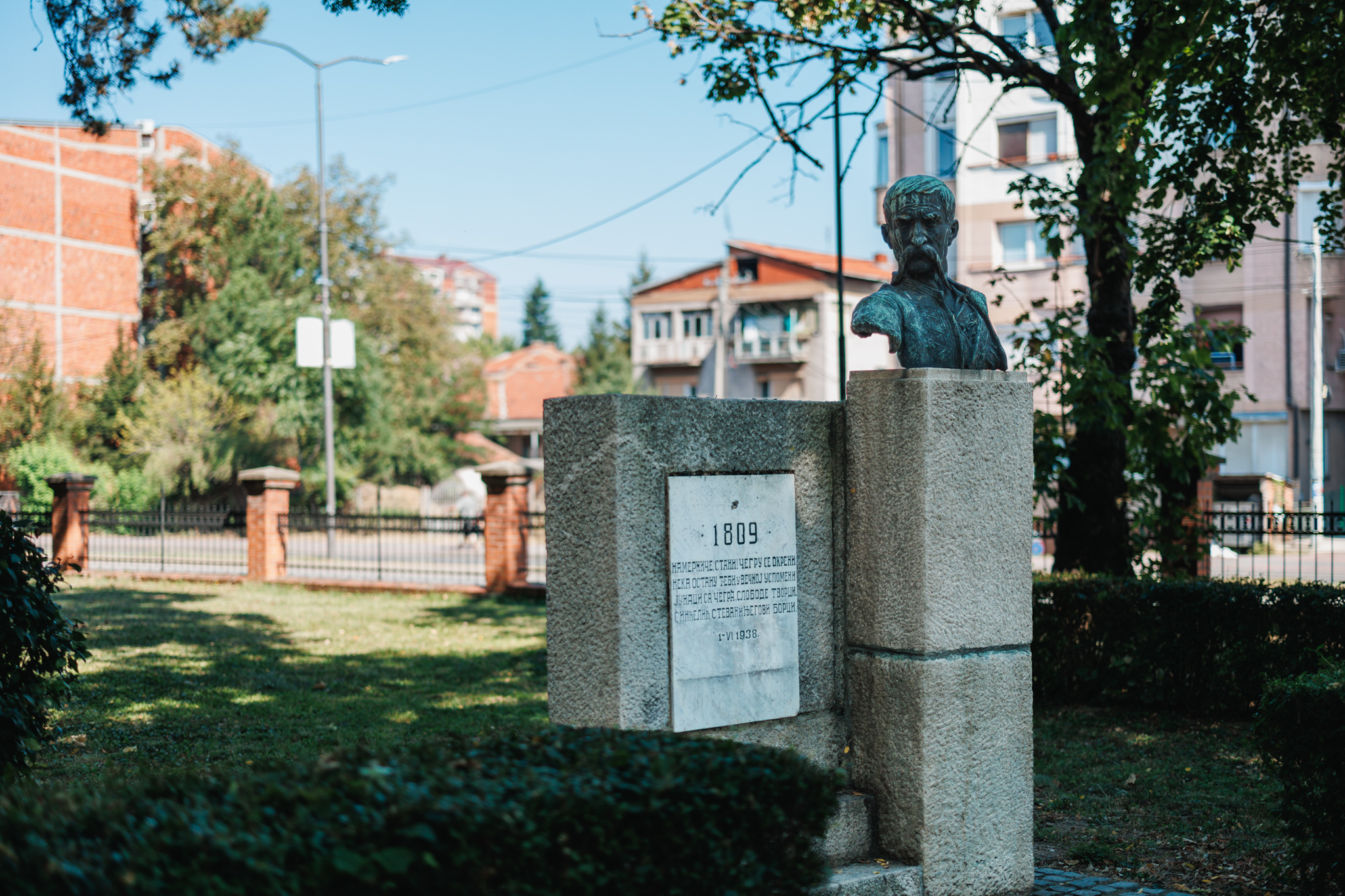
Čegar is a hill on the edge of Niš. On 31 May 1809, during the First Serbian Uprising against Ottoman rule, Serbian rebels held a fortified position there against a much larger Ottoman army. By evening, Ottoman troops were inside the defences. Sinđelić, who commanded the position, is remembered for firing his pistol into the powder magazine, killing himself, many of his men and the Ottoman soldiers around them.
What followed was meant to be seen. The Ottoman governor, Hurshid Pasha, had the heads of the dead rebels collected. They were skinned, and the skins were stuffed and sent to the Sultan in Constantinople. The skulls stayed in Niš. Hurshid Pasha had them set into the walls of a tower beside the road between Constantinople and Belgrade, where no one travelling along it could miss them.
Fourteen rows of seventeen
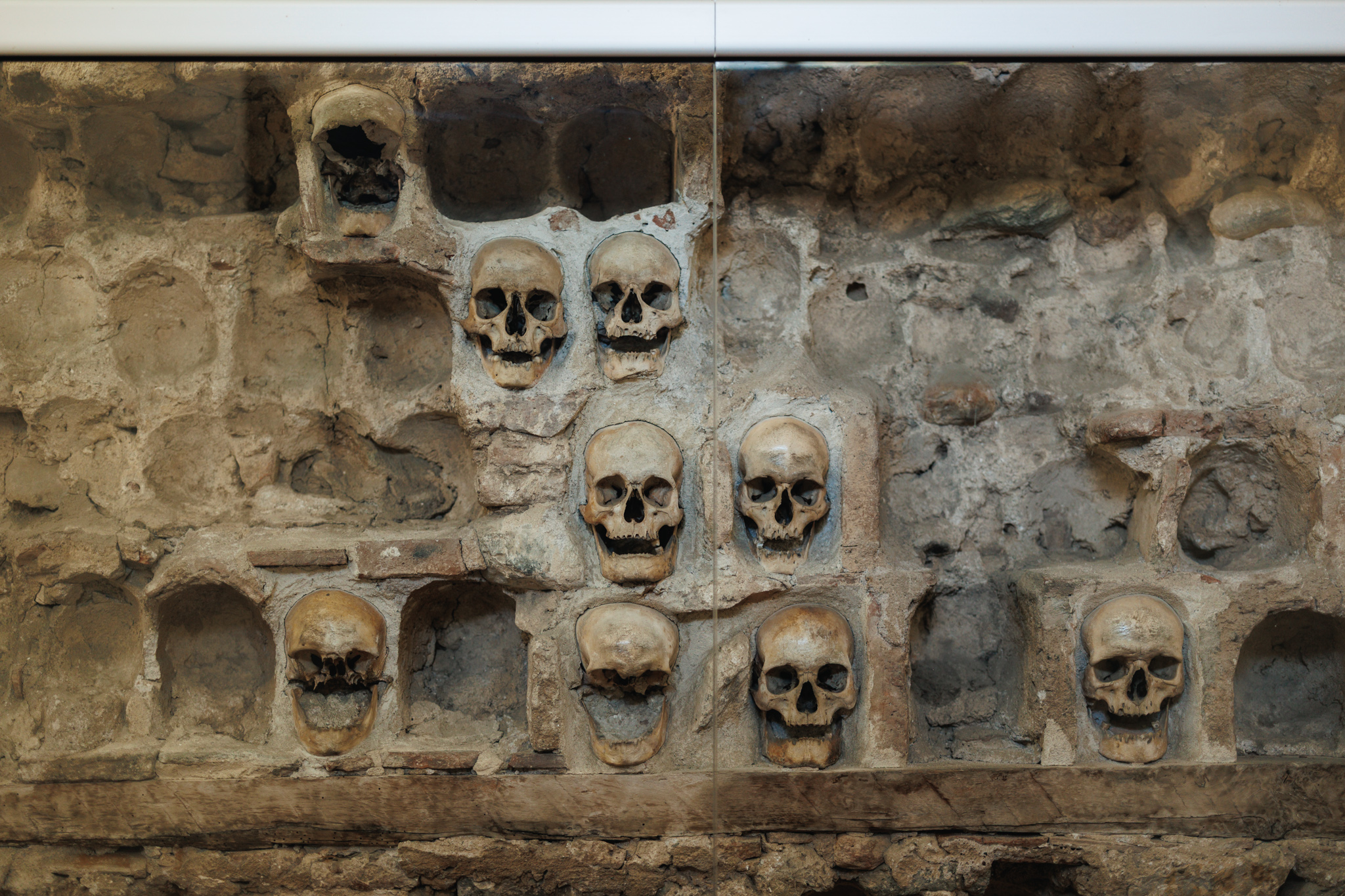
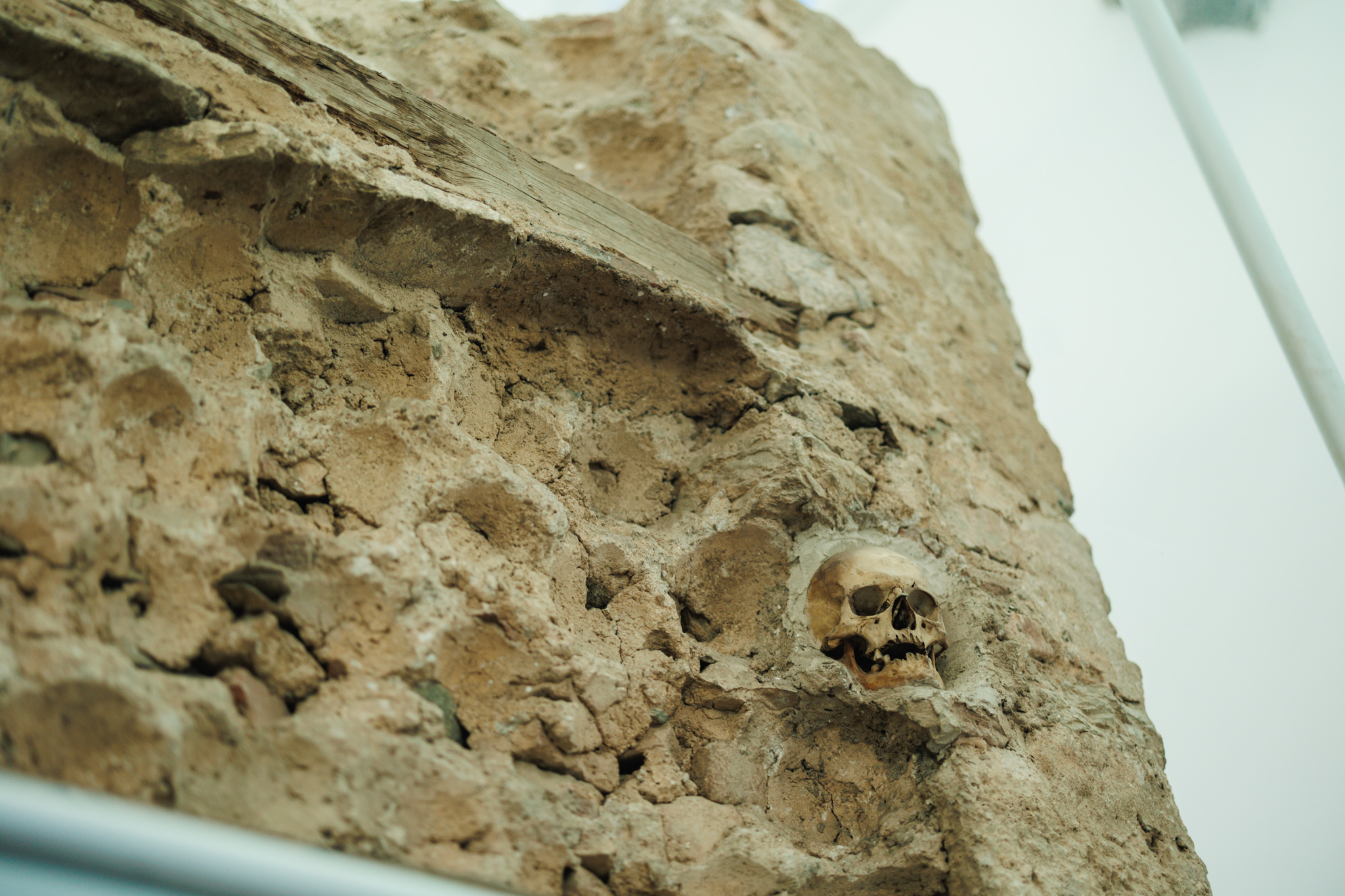
Inside the chapel, what is left of the tower stands behind glass. Its walls are rough stone, bound with lime and sand. Set into them, facing out, are the skulls.
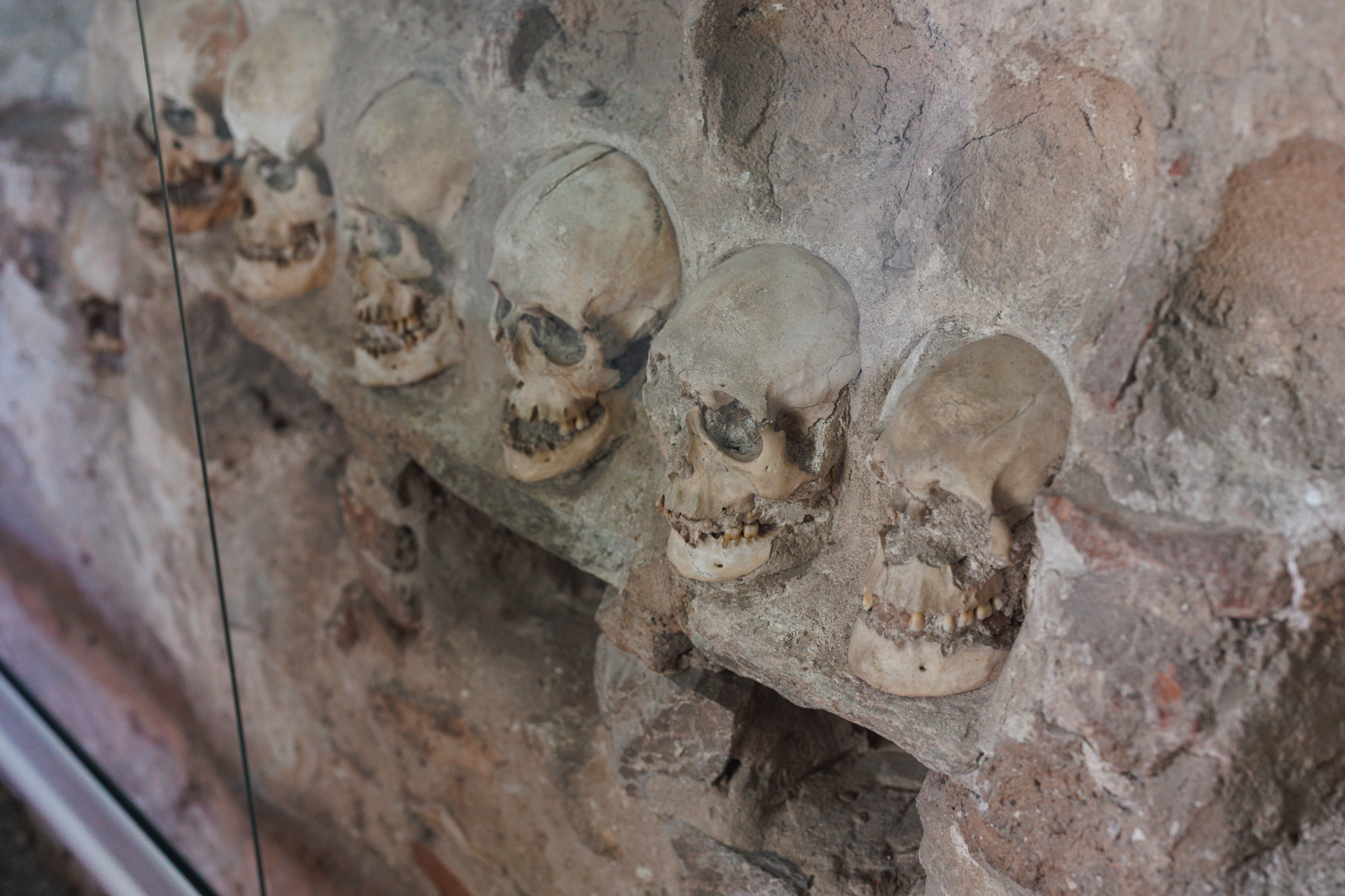
The tower was about four and a half metres high. Each of its four sides held fourteen rows of seventeen skulls: 952 in all.
Today, 58 remain. Most of the wall is now empty niches.
The tower very nearly went altogether. During Midhat Pasha’s administration in the 1860s, he intended to have it demolished, but local opposition prevented it.
The skulls left more quietly. Weather and time took some. Local Christians came at night to take others for burial, until the Ottoman authorities put a stop to it. Later, relatives took away skulls they believed they had recognised.
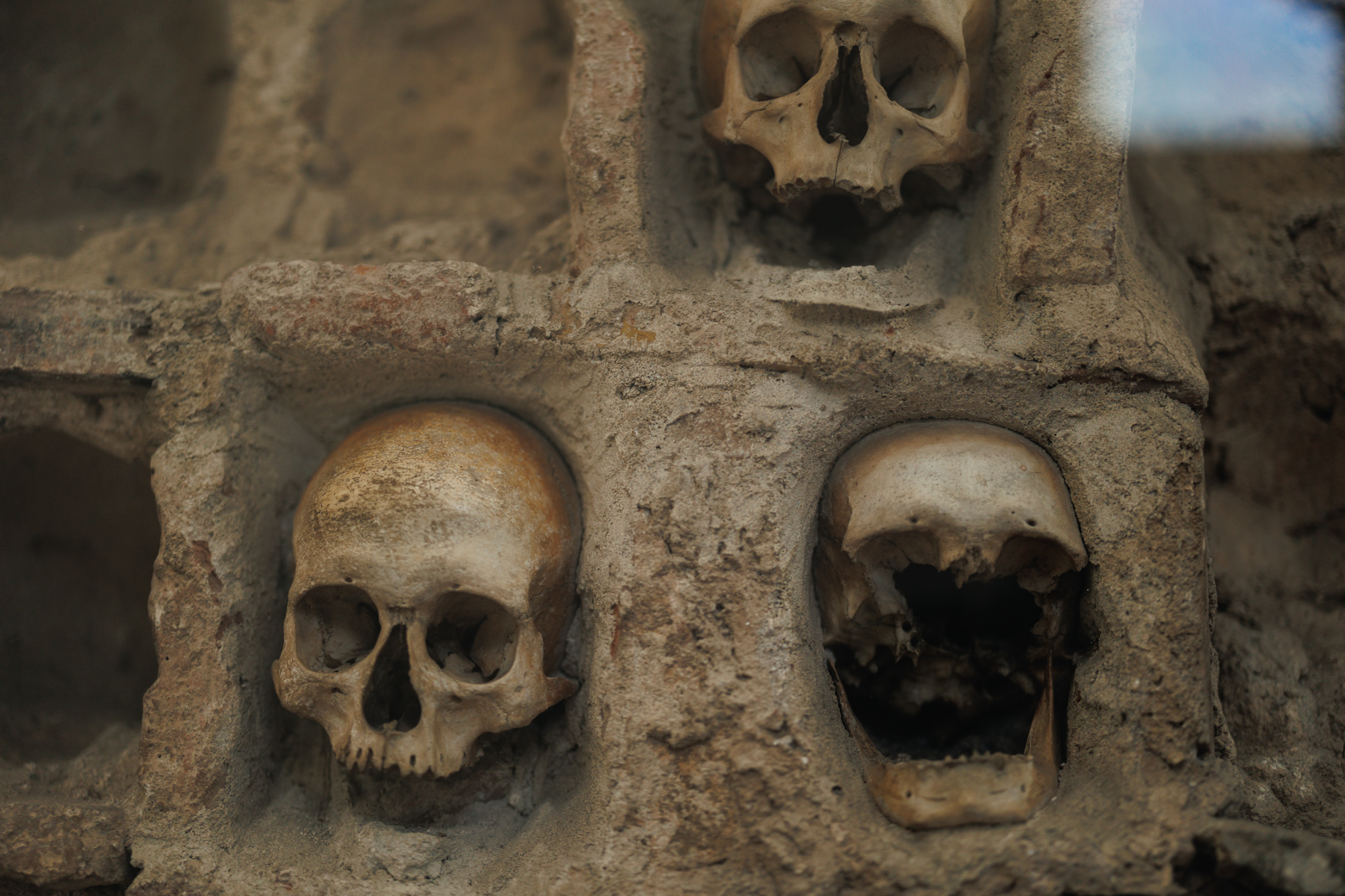
Some of the empty niches mark where a family took someone home.
New faces
One skull is kept apart from the rest. It is said to be Sinđelić’s, although without DNA testing no one can be certain.
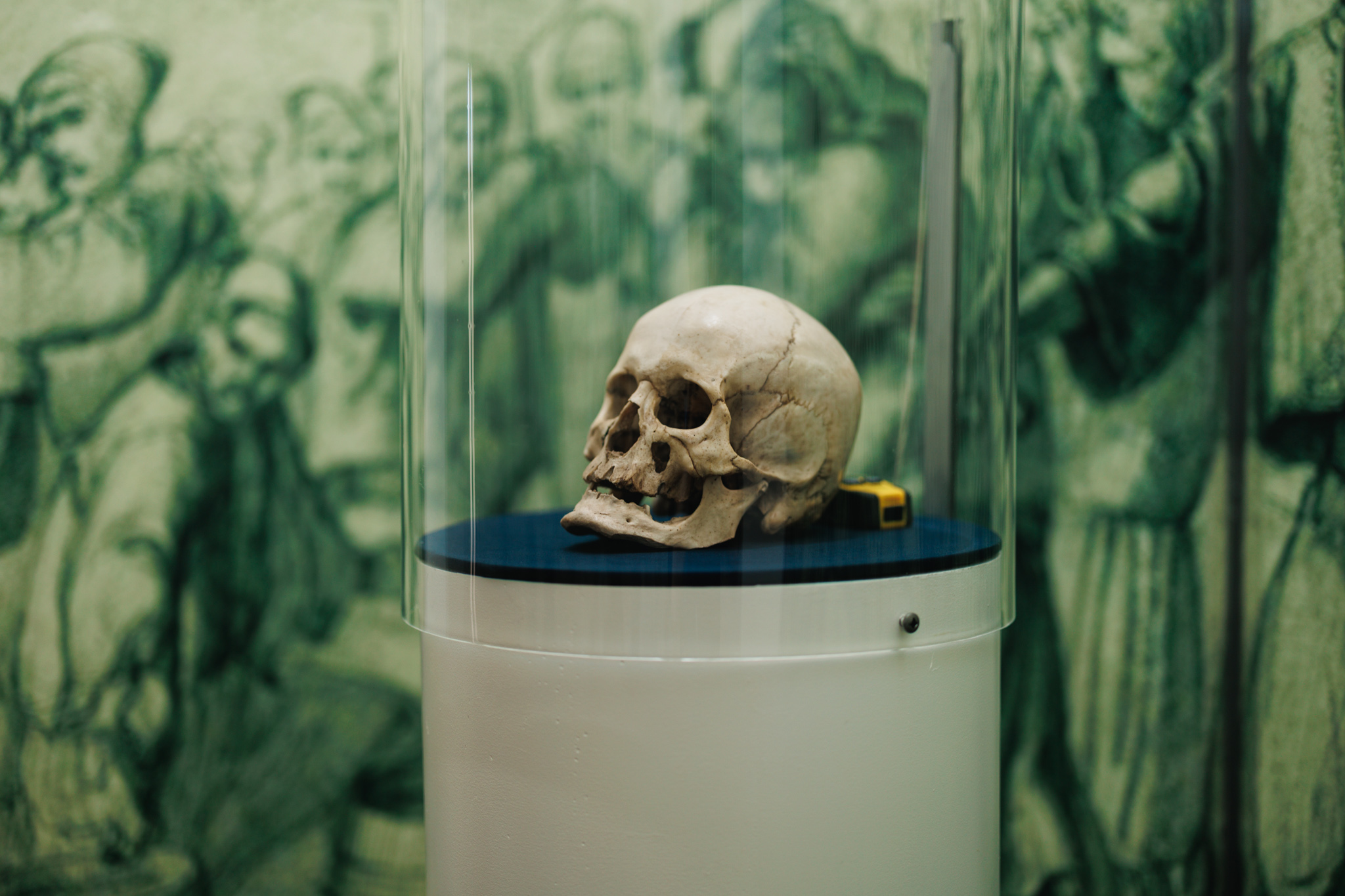
Researchers have lately been asking who the others were. Since 2023, a team led by the anthropologist Nataša Šarkić has been scanning the skulls and reconstructing their faces digitally. The first four faces were shown in November 2025. In September 2026, the skull in the separate case was given a CT scan. The fighters ranged from men over fifty to a boy of eleven.
The tower was built to turn these people into a number. Two centuries later, some of them are getting their faces back.
Wrapped in a chapel
The Ottomans left Niš in 1878. The tower was fenced and roofed, and in 1892, funded by donations, work began on a chapel to enclose it, designed by the architect Dimitrije T. Leko. The tower had been built to stand beside the road in sun and rain. Now it stands under a dome with coloured glass.
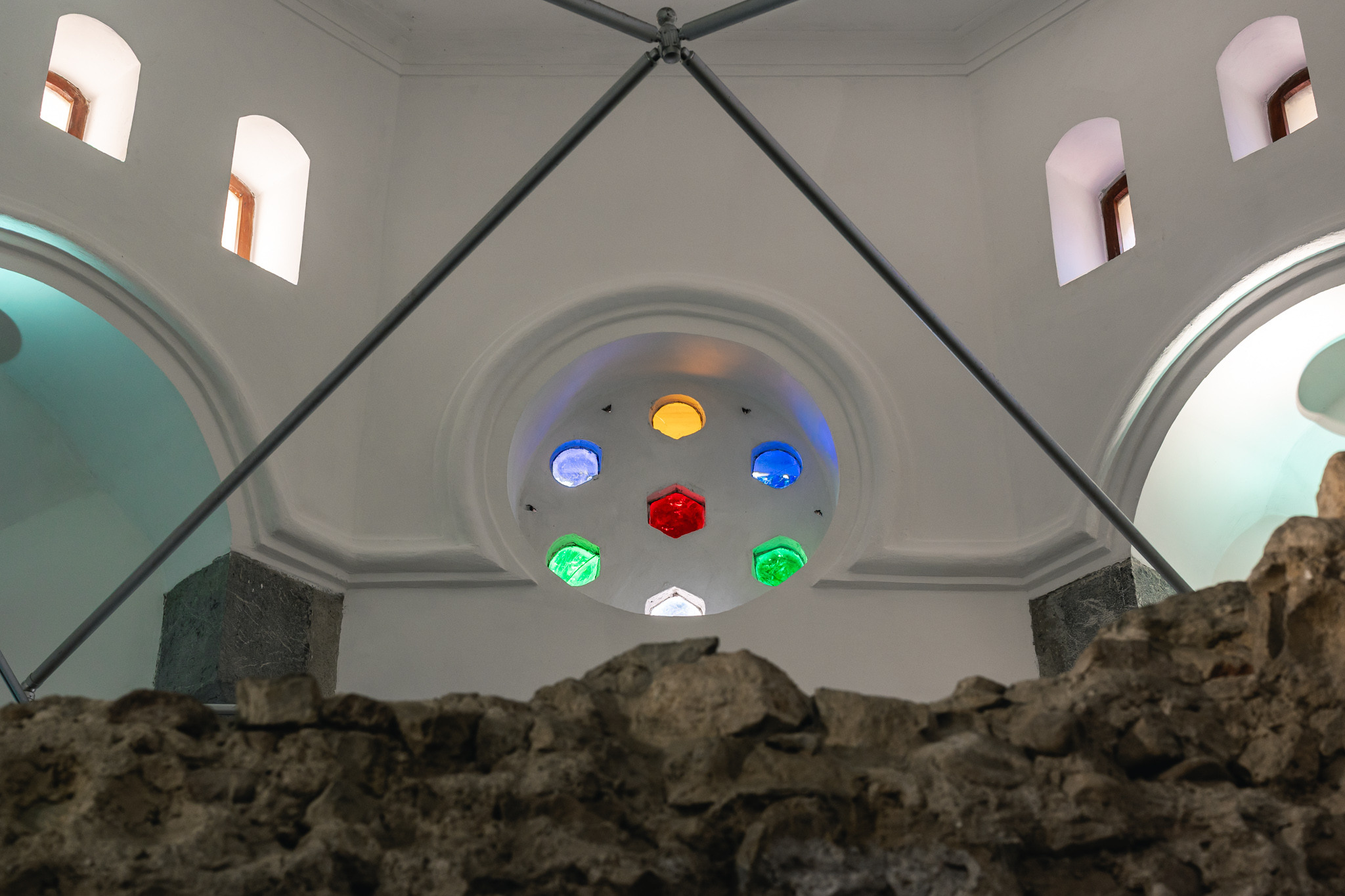
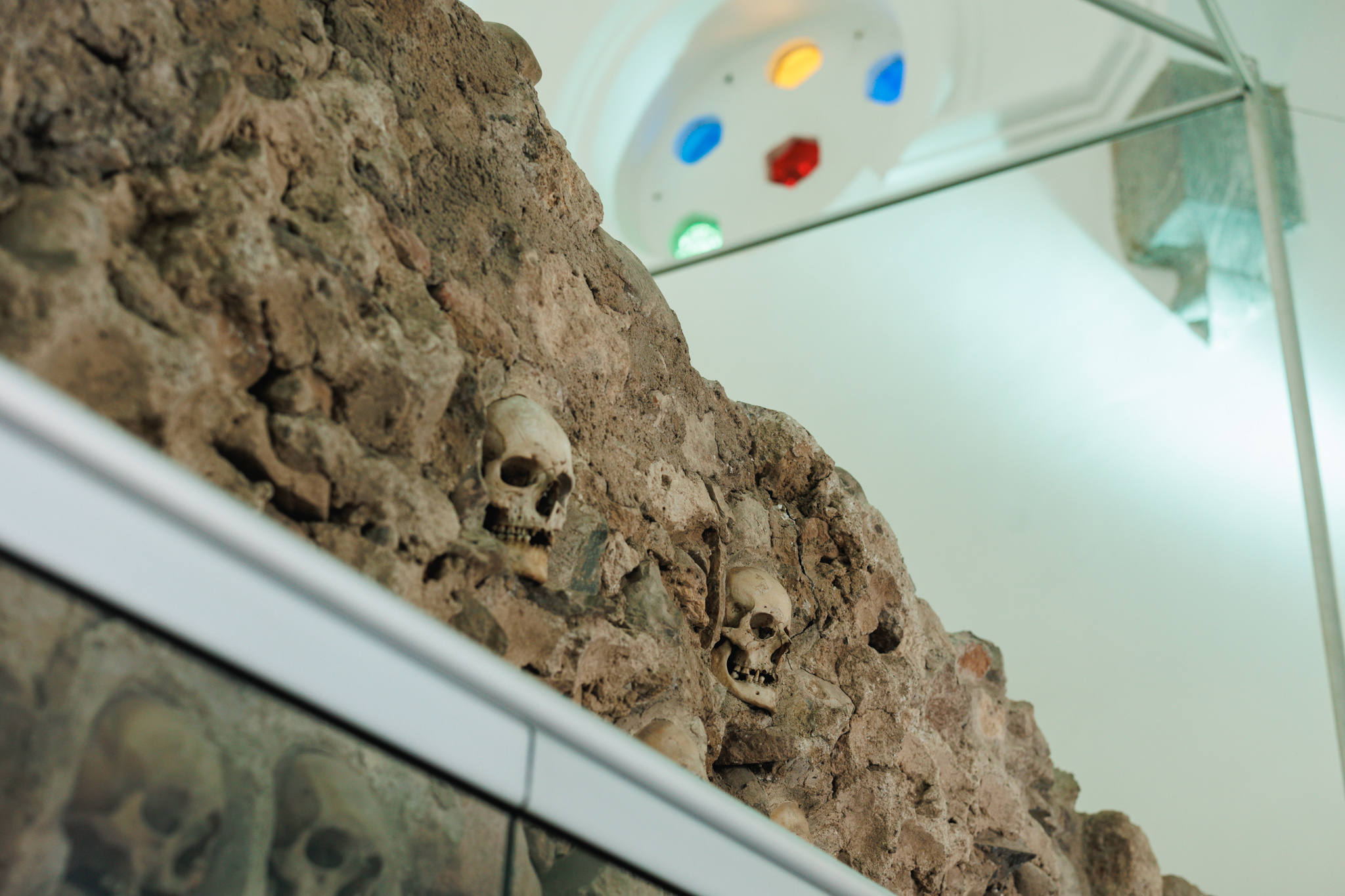
This was, more or less, what Lamartine had asked for. “May the Serbs keep this monument!” he wrote. “It will always teach their children the value of the independence of a people.”
The Serbs kept the monument. Then they gave it a roof, a chapel and glass walls, and put his request up on display beside it. They kept its name, too: Ćele kula, from the Turkish kelle kulesi, “skull tower”.
Few requests from a visiting poet have been carried out quite so thoroughly.
On the way out, I passed the ticket office. Sinđelić was on its walls as well, more than once, painted among rows of skulls, with the memorial tower that now stands on Čegar hill. Even the ticket office had been briefed.
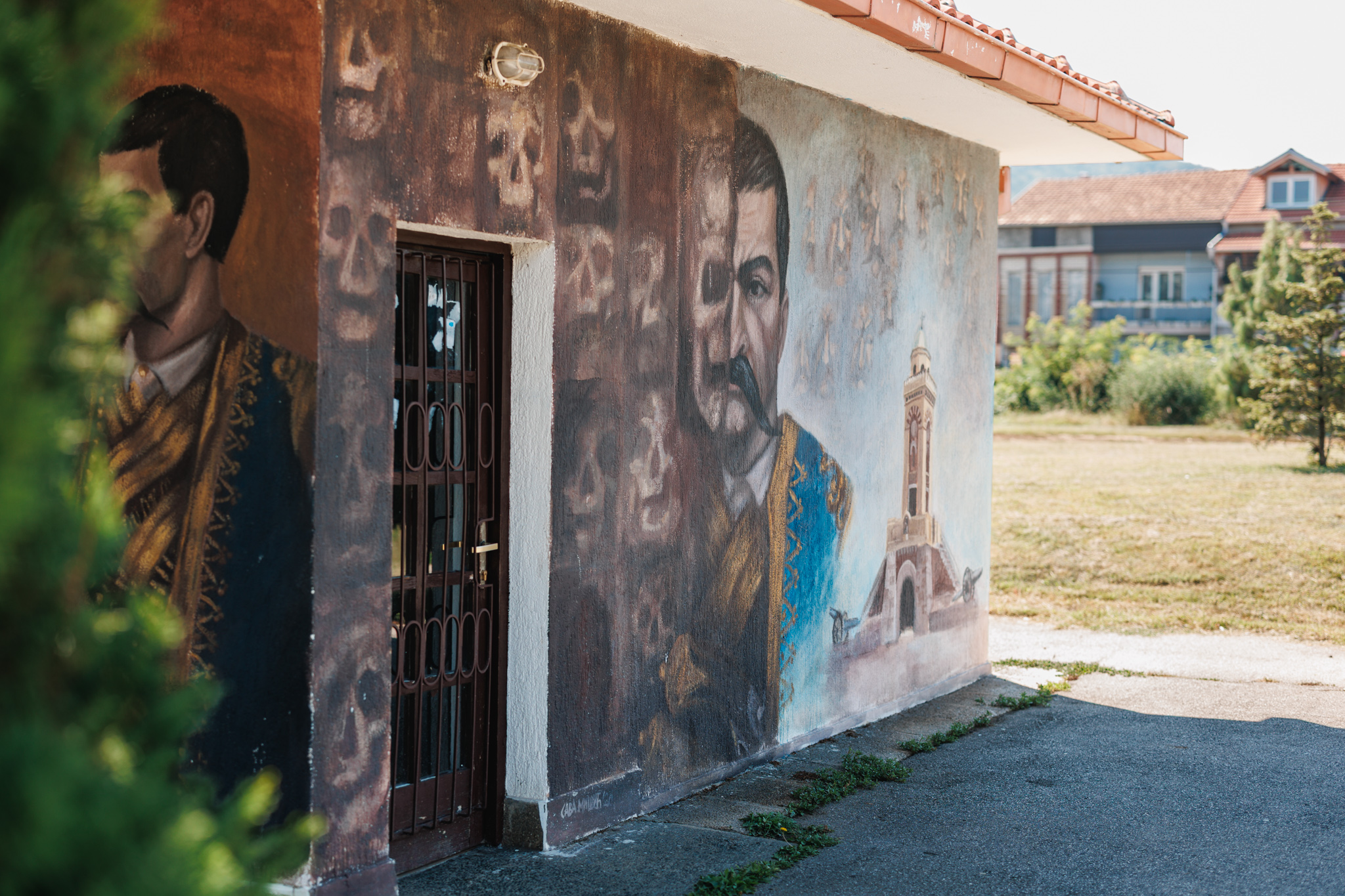
Hurshid Pasha put his tower beside the road so that nobody could pass without seeing it. Today, it cannot be seen from the road at all.
The warning no one could miss is now closed on Mondays.
Visit this place
Location
Skull Tower (Ćele-kula) / Ћеле-кула
In the Ćele-kula memorial park on Bulevar dr Zorana Đinđića, east of central Niš
Bulevar dr Zorana Đinđića, 18000 Niš, Serbia
Practical Information
- Area
- Bulevar dr Zorana Đinđića, Niš, Serbia
- Opening hours
- Tuesday–Friday 9:00–19:00; Saturday–Sunday 9:00–17:00; closed Monday. Last entry 15 minutes before closing.
- Admission
- 300 RSD; reduced 250 RSD. A combined ticket for all National Museum Niš sites is 1,200 RSD (reduced 1,000 RSD).
- Visitor note
- The tower stands inside the chapel and can only be seen from inside. This is a memorial to the dead; please keep your voice down.
- Official information
- National Museum Niš — Skull Tower
Information last checked: September 29, 2026 (Opening hours and admission checked on the National Museum Niš website; photography rules inside not confirmed.)
Conversation
Comments
Review pending commentsComments are reviewed before appearing. The internet already contains enough unattended surprises.
Loading comments…
Leave a comment