Novi Sad Synagogue: An Audience by Choice
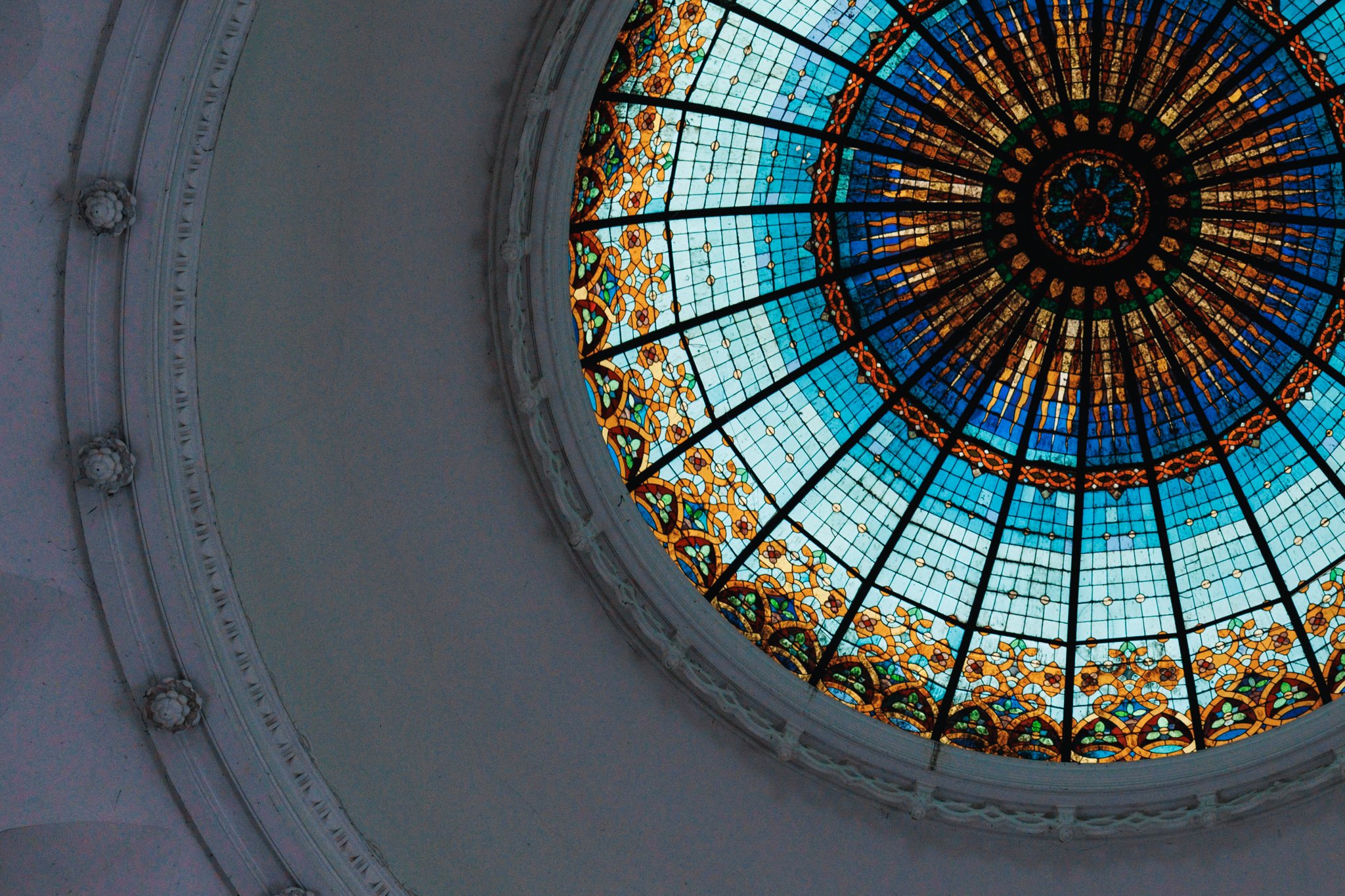
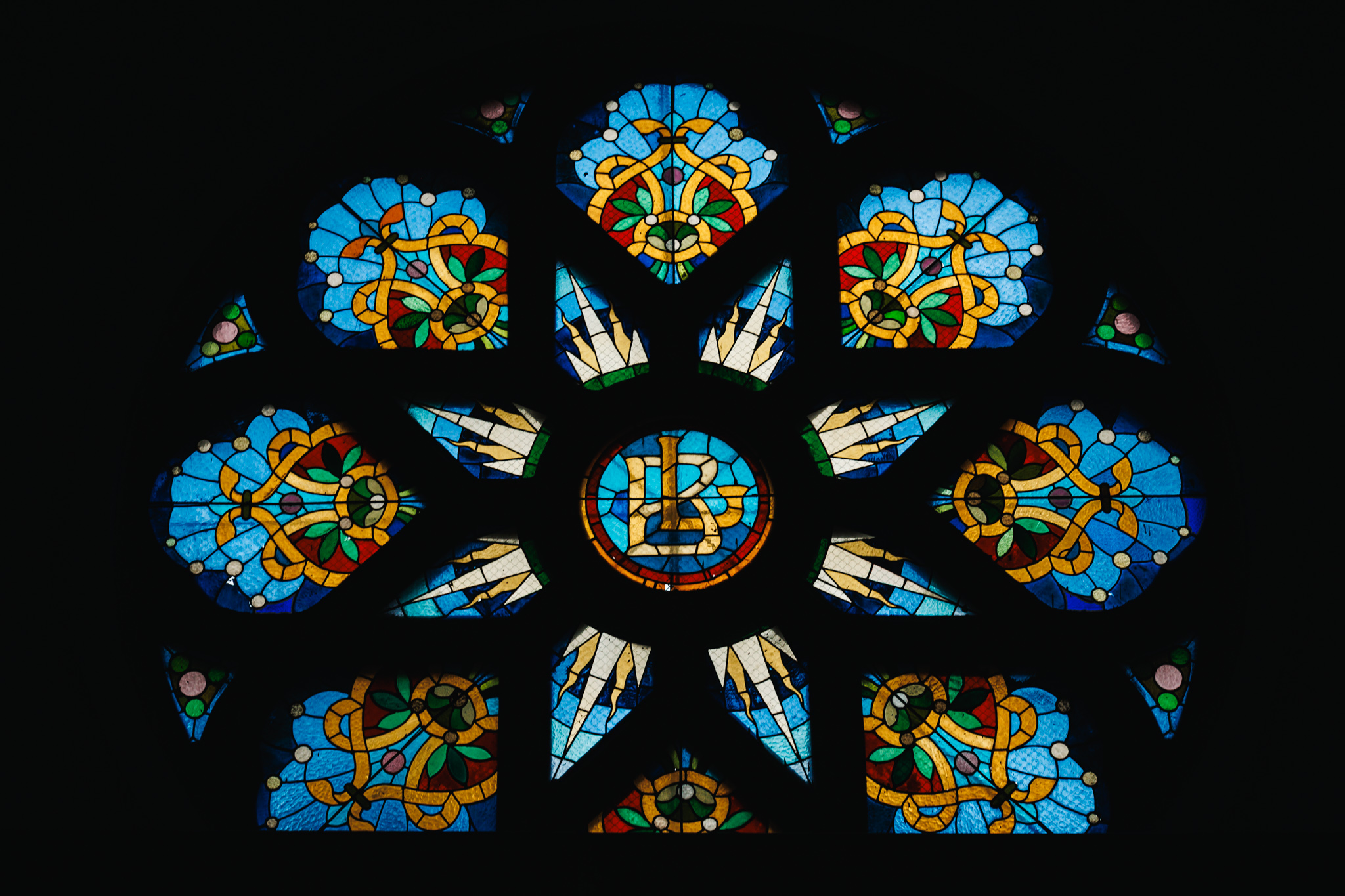
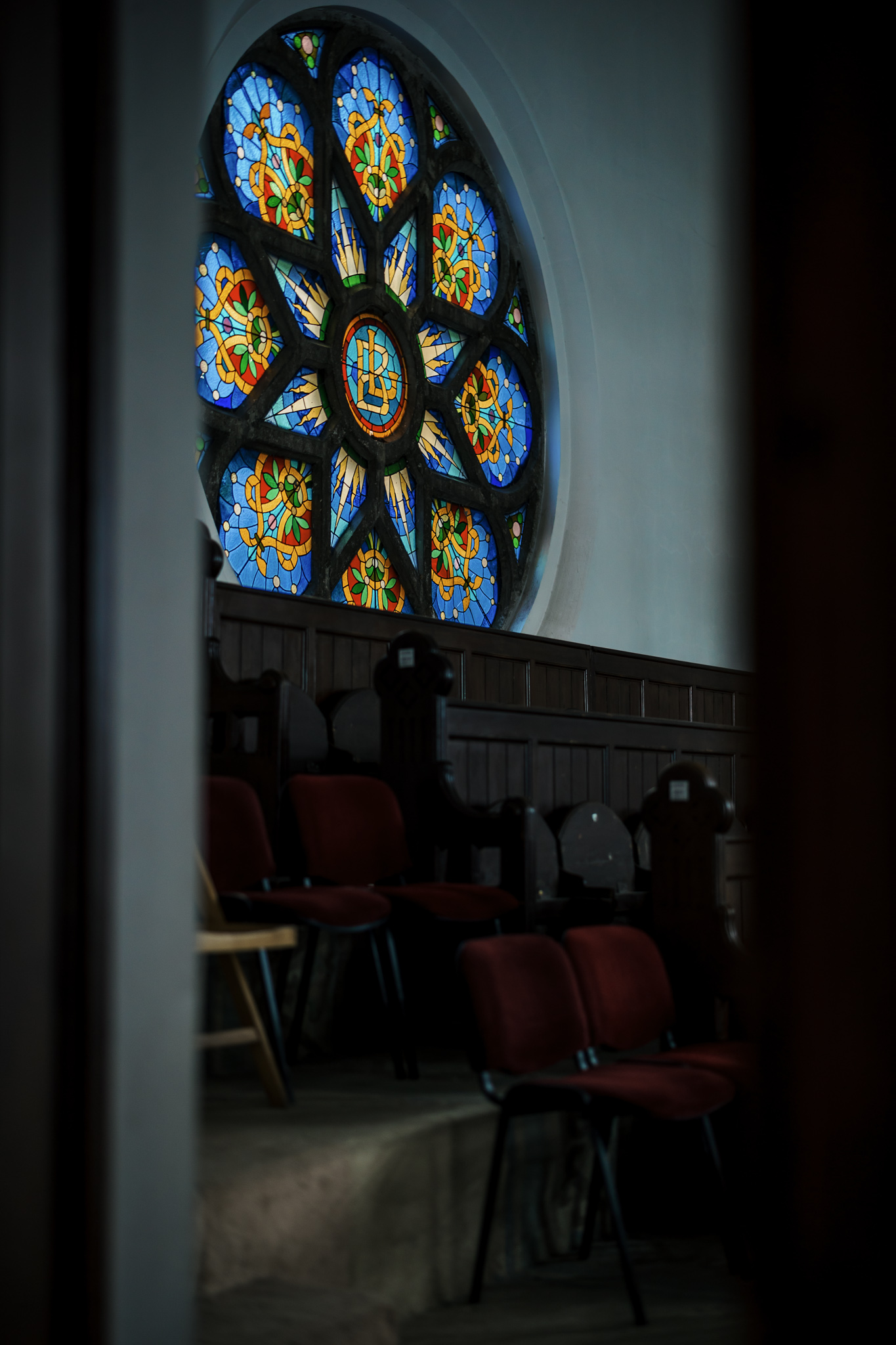
A notice on the door explained how to enter Novi Sad Synagogue despite the scaffolding outside. Once inside, I found myself looking up. Blue stained glass drew my eye from the round windows towards the ceiling, where another circle of coloured glass opened above the hall.
A place for the community
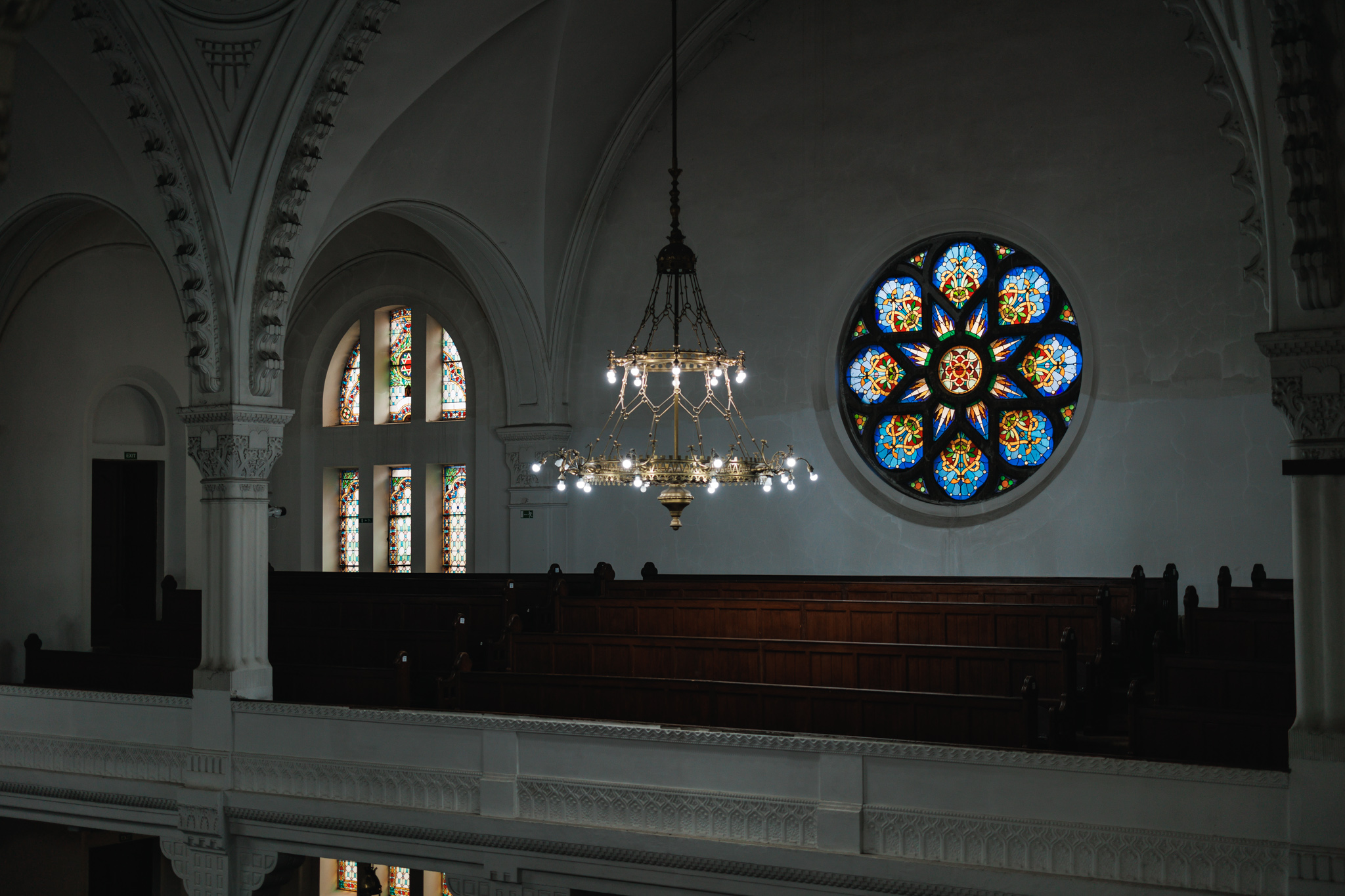
Completed in 1909, the synagogue was designed by Lipót Baumhorn, whose work included synagogues across Central Europe. It formed a complex with a Jewish school and community building on Jevrejska Street, in the city’s former Jewish quarter. The neighbouring buildings help explain the scale of the project: this was a place for education and community affairs as well as worship. Above the entrance, a Hebrew inscription from the Book of Isaiah calls it a house of prayer for all peoples.
Inside, rows of wooden benches face the Torah ark—the cabinet that houses the Torah scrolls—at the eastern end of the hall. An ornate white structure rises above it, while an upper gallery overlooks the seating below. Men originally worshipped on the ground floor and women in the gallery. The rows of benches and the division between the two levels still show how the congregation occupied this elaborate Secession-style interior.
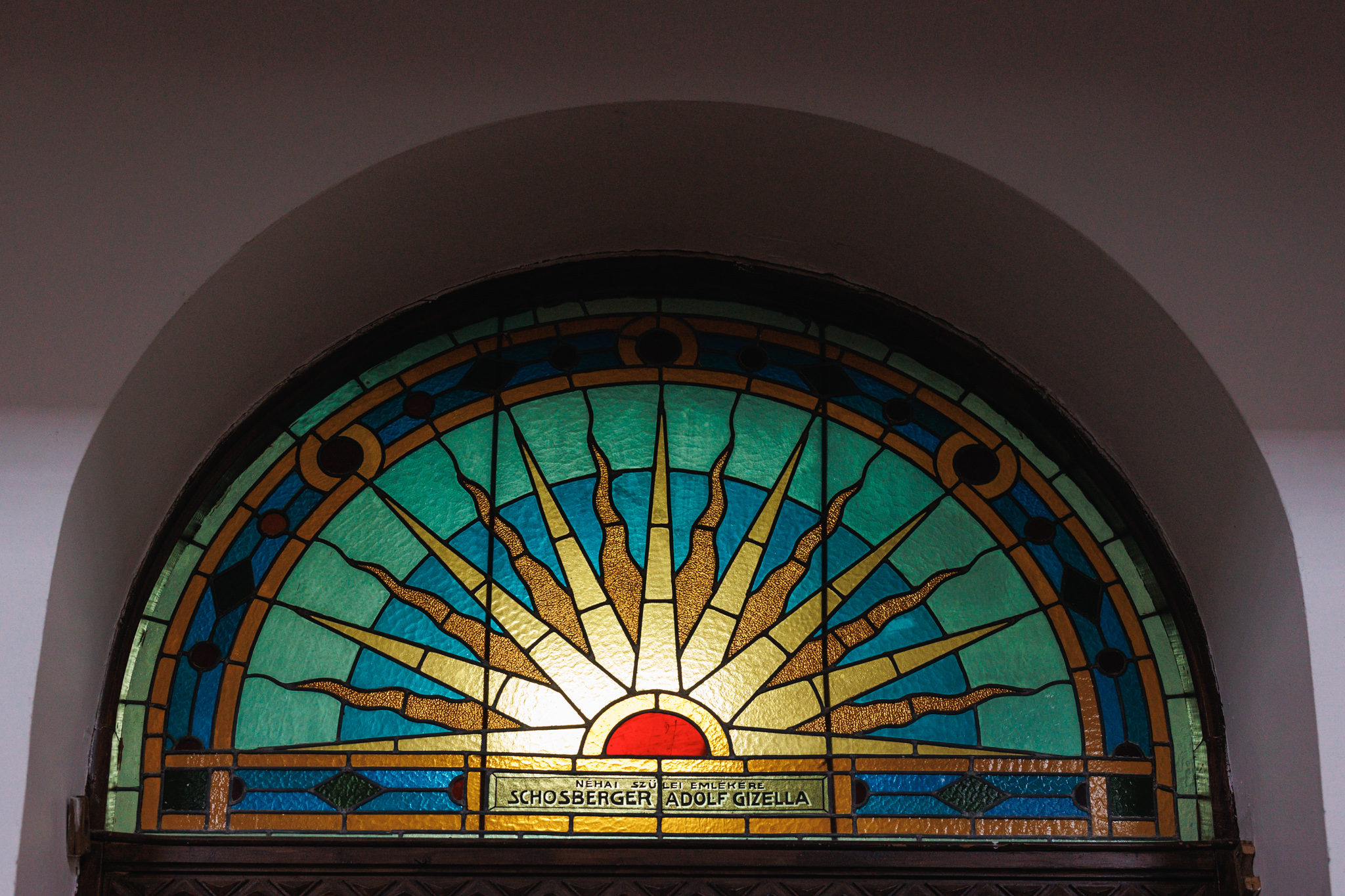
The windows reward a closer look. Above one doorway, golden rays fan out from a red sun, and beneath them runs a line in Hungarian. It dedicates the window to the memory of late parents and names Adolf and Gizella Schosberger. In 1909, Novi Sad was part of the Kingdom of Hungary, which explains the language. Decades later, the couple’s grandson remembered their names among the donors who had helped fund the synagogue.
Wartime records
A plaque on the front of the synagogue records what happened here in 1944. Jews were forcibly gathered in the building before deportation to death camps. They had no choice about entering a place that had been built for their community’s worship.
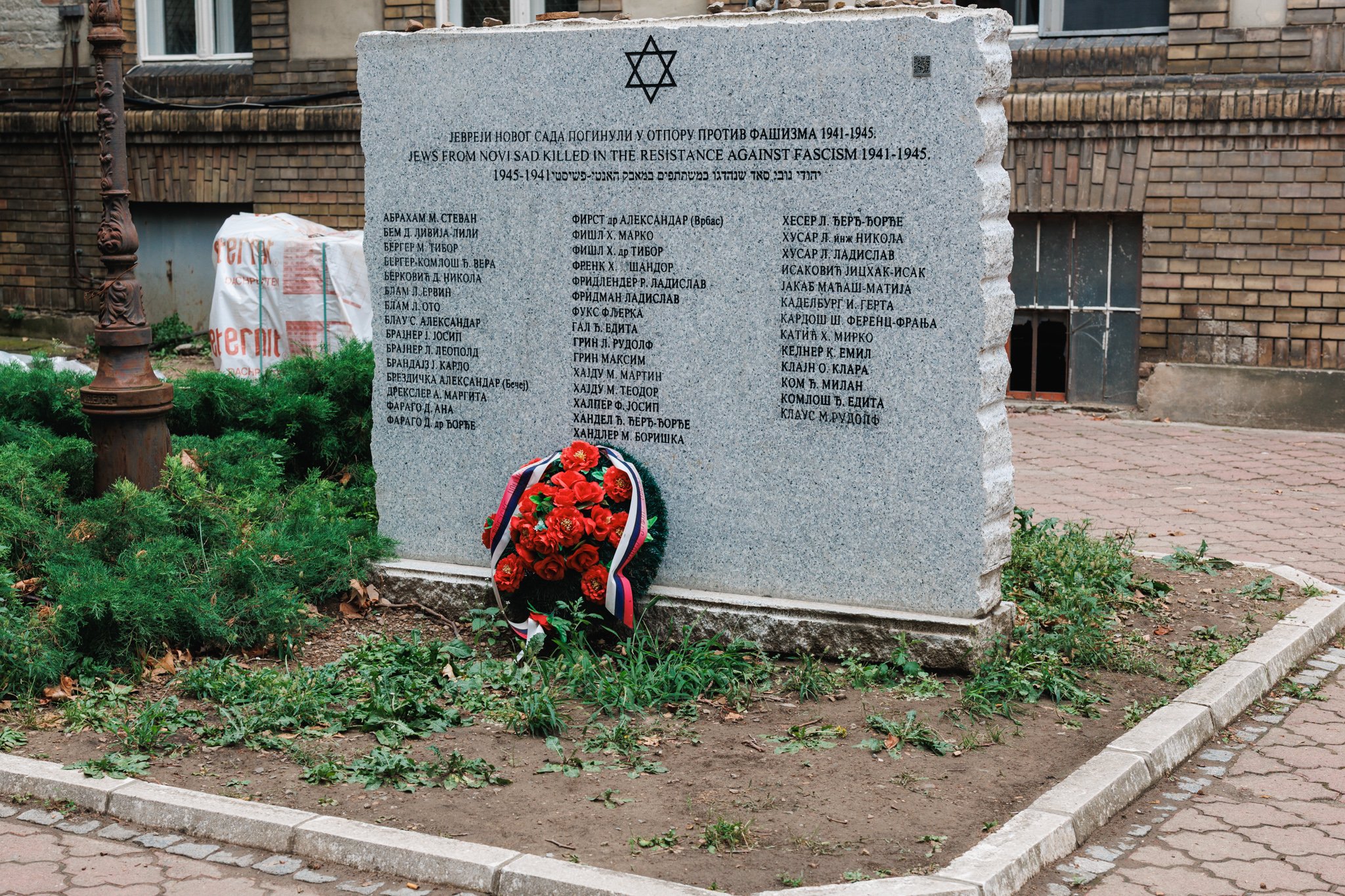
A separate memorial bears a Star of David above rows of names. Its English inscription commemorates Jews from Novi Sad killed in the resistance against fascism between 1941 and 1945.
The hall today
Today, the synagogue also hosts orchestral concerts, chamber music and recitals. A covered grand piano and music stands occupy part of the main hall, close to the Torah ark. Audiences sit among the wooden benches and beneath the galleries, with the synagogue’s religious fittings still in view.
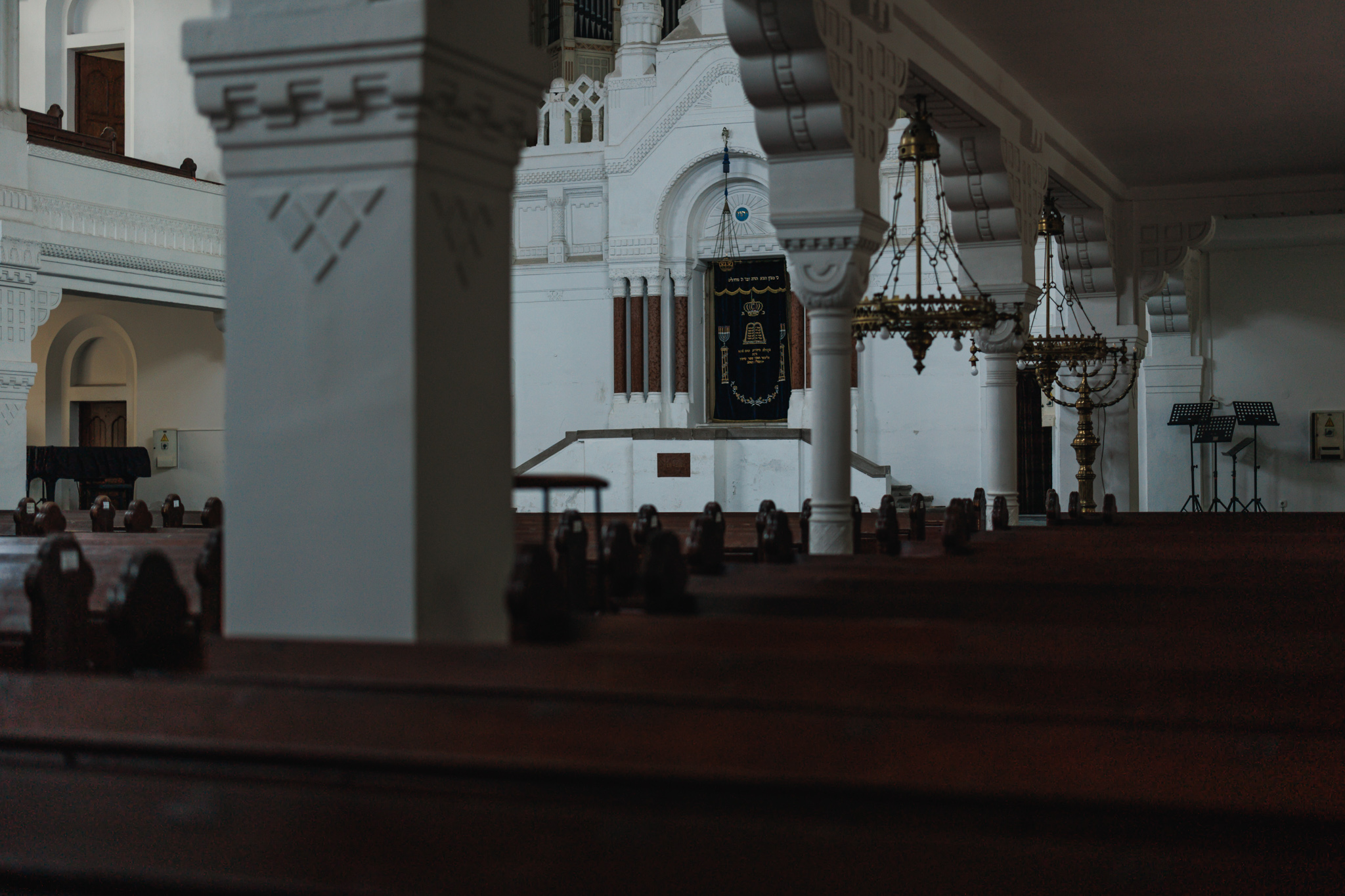
Music is not a newcomer here. The congregation was Neolog, the reform-minded branch of Hungarian Jewry, and the gallery above the Torah ark once held a real pipe organ. The organ has since disappeared; what stands in its place now is a model. The piano on the floor below, at least, is real.
The inscription above the entrance still calls it a house of prayer for all peoples. On concert nights, people arrive with a performance in mind. The programme tells them what they will hear.
Whether to come is theirs to decide.
Visit this place
Location
Novi Sad Synagogue / Новосадска синагога
In central Novi Sad, in the city’s former Jewish quarter
Jevrejska Street, Novi Sad, Serbia
Practical Information
- Area
- Jevrejska Street, Novi Sad, Serbia
- Visitor note
- Contact the Jewish Community of Novi Sad to confirm sightseeing access and admission before visiting. Concert listings describe performances, not general visiting hours.
- Phone
- +381 21 423 882
- jevrejska.opstina.novisad@gmail.com
- Official website
- Jewish Community of Novi Sad — visitor enquiries
- Synagogue information
- Novi Sad Tourism Organisation
- Jewish heritage guide
- Novi Sad Tourism Organisation
- Concert programme
- Official concert organiser
Information last checked: September 25, 2026 (Community contact details checked; current sightseeing hours and admission remain unconfirmed.)
Conversation
Comments
Review pending commentsComments are reviewed before appearing. The internet already contains enough unattended surprises.
Loading comments…
Leave a comment