Thang Long Citadel Bunker: A Ruin Made to Order
Most of the ruins in Hanoi’s old citadel were made by time or by the French. In late 1964, the story goes, the army made one on purpose.
It was building something underground here and did not want it spotted from the air. So it knocked down part of one of its own buildings on the site and left the rubble for the reconnaissance planes.
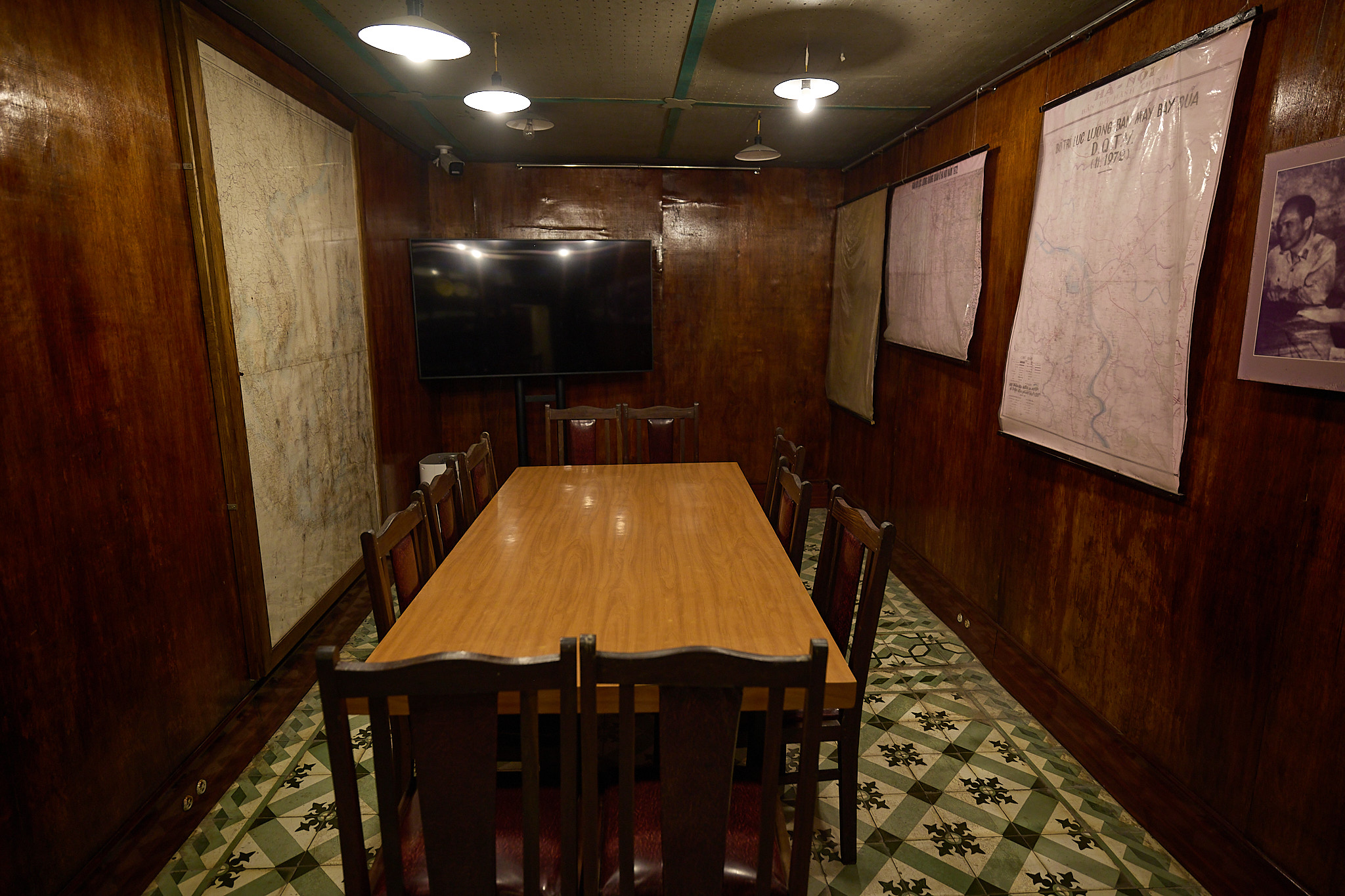
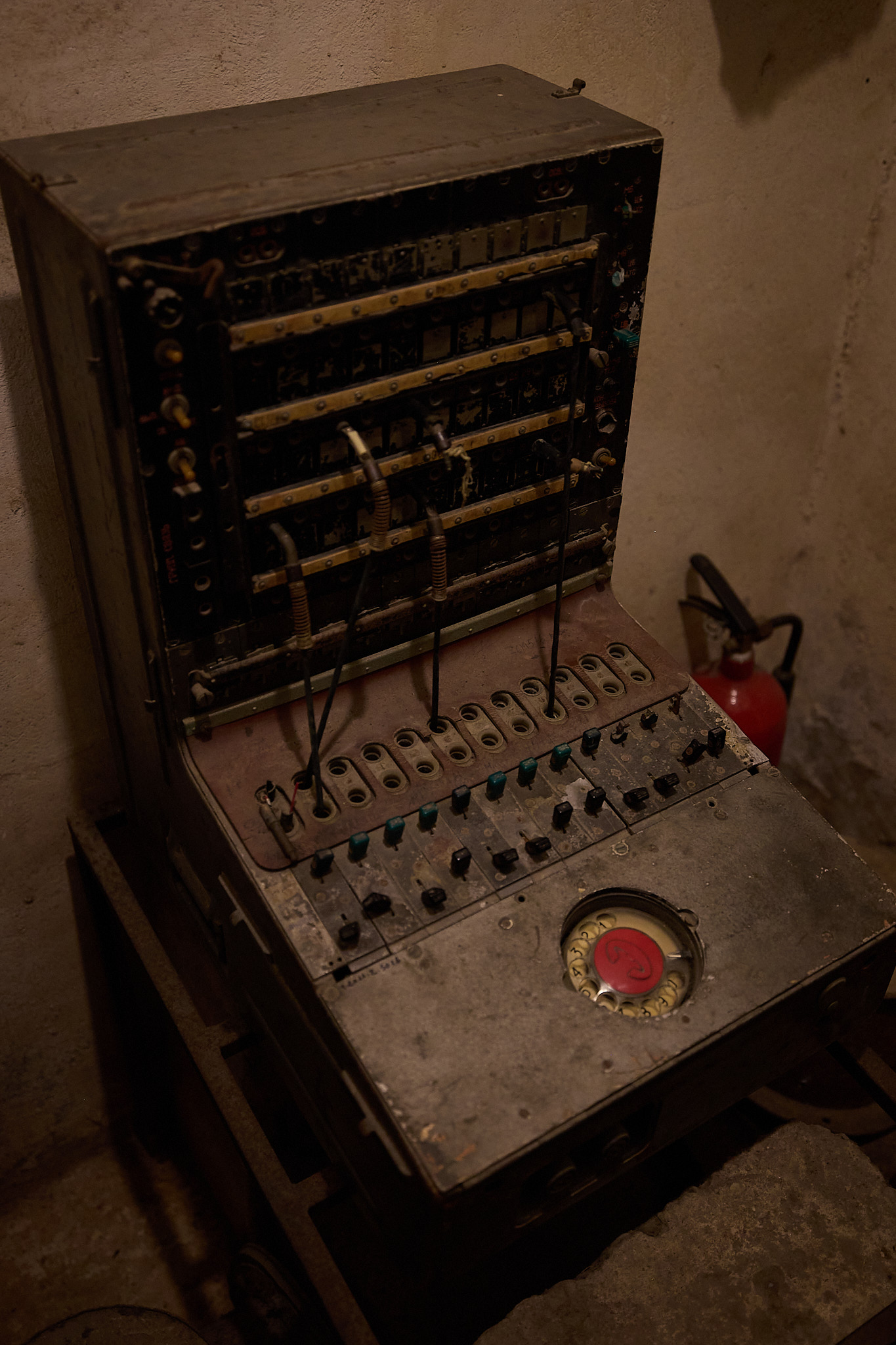
What the rubble was hiding was T1, the operational information centre of the army’s General Staff. Three rooms, 64 square metres in all, about the size of a modest flat. By one count, it had twenty-eight telephones.
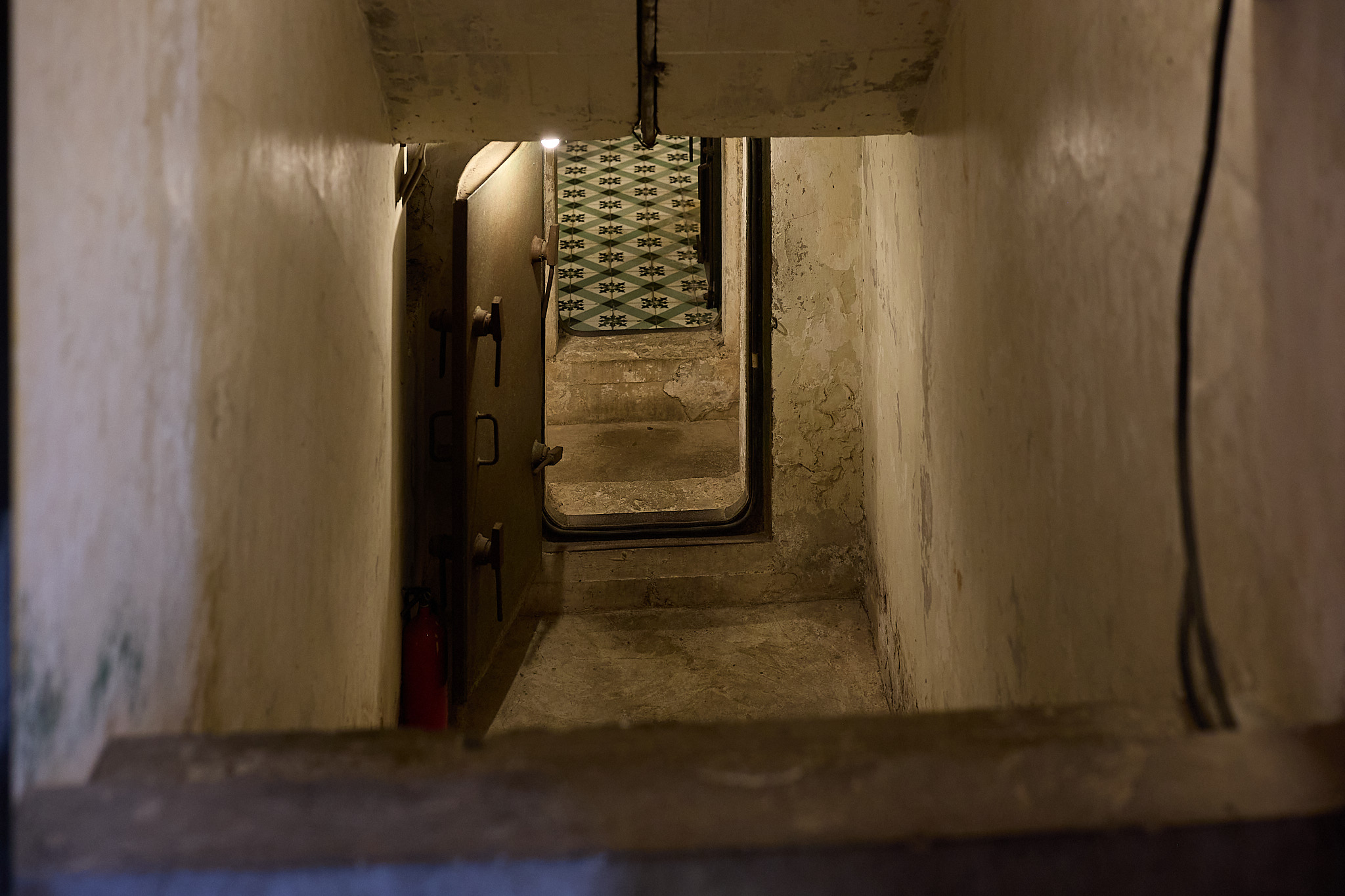
Inside, it was a little cool, and it smelled like any basement.
Four booths
The largest room belonged to the officers on duty, about ten of them: nearly three telephones each. They worked around the clock. Reports came in by telephone and went back out by telephone, up the line.
Their telephones were split between four small booths. One was for the air defence and air force command. One was for the Ministry of Defence, the General Staff and the military regions. One went to the post office.
The fourth was for the Politburo, the Party’s top leadership, which shared it with the Ministry of Transport.
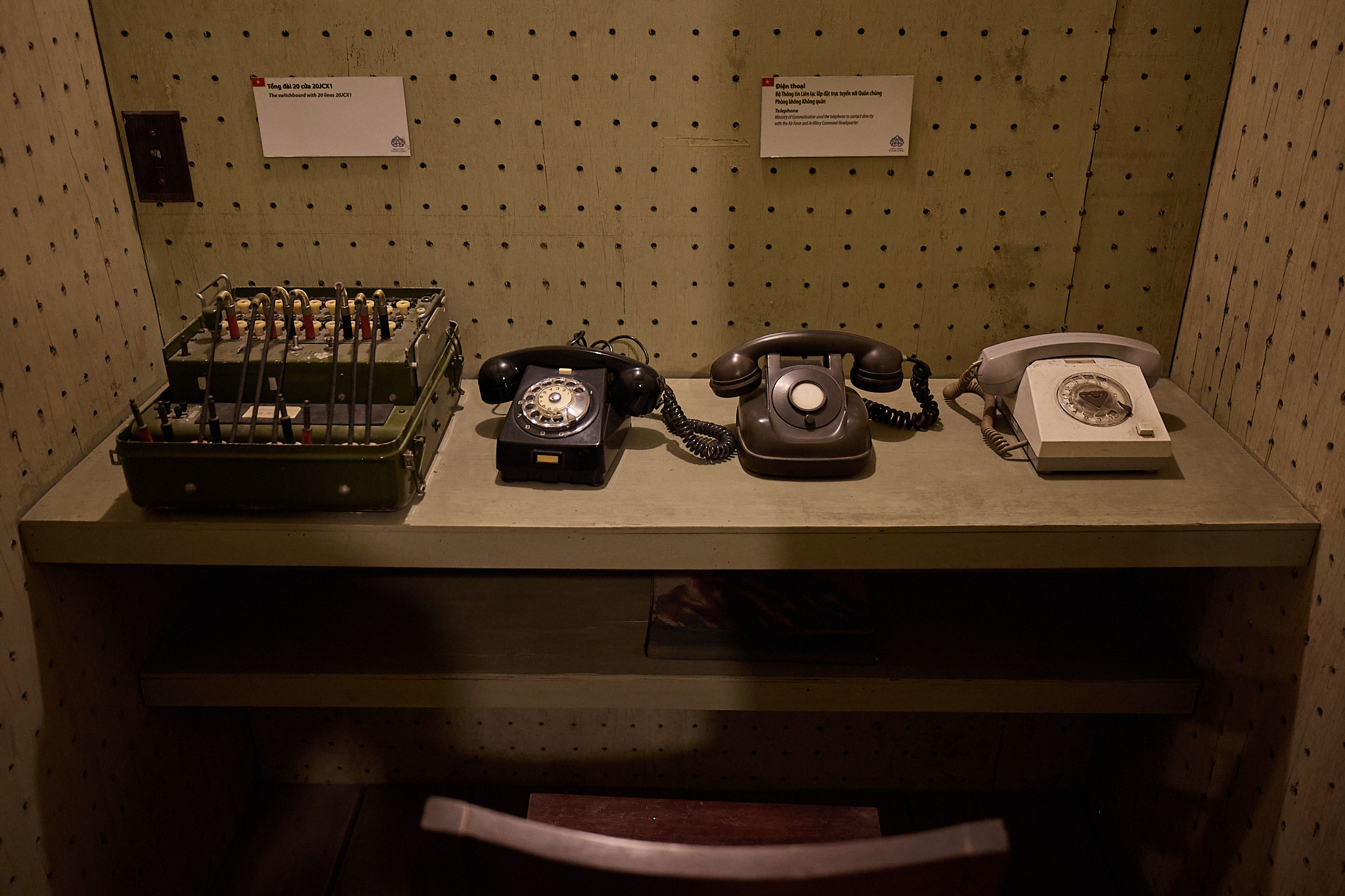
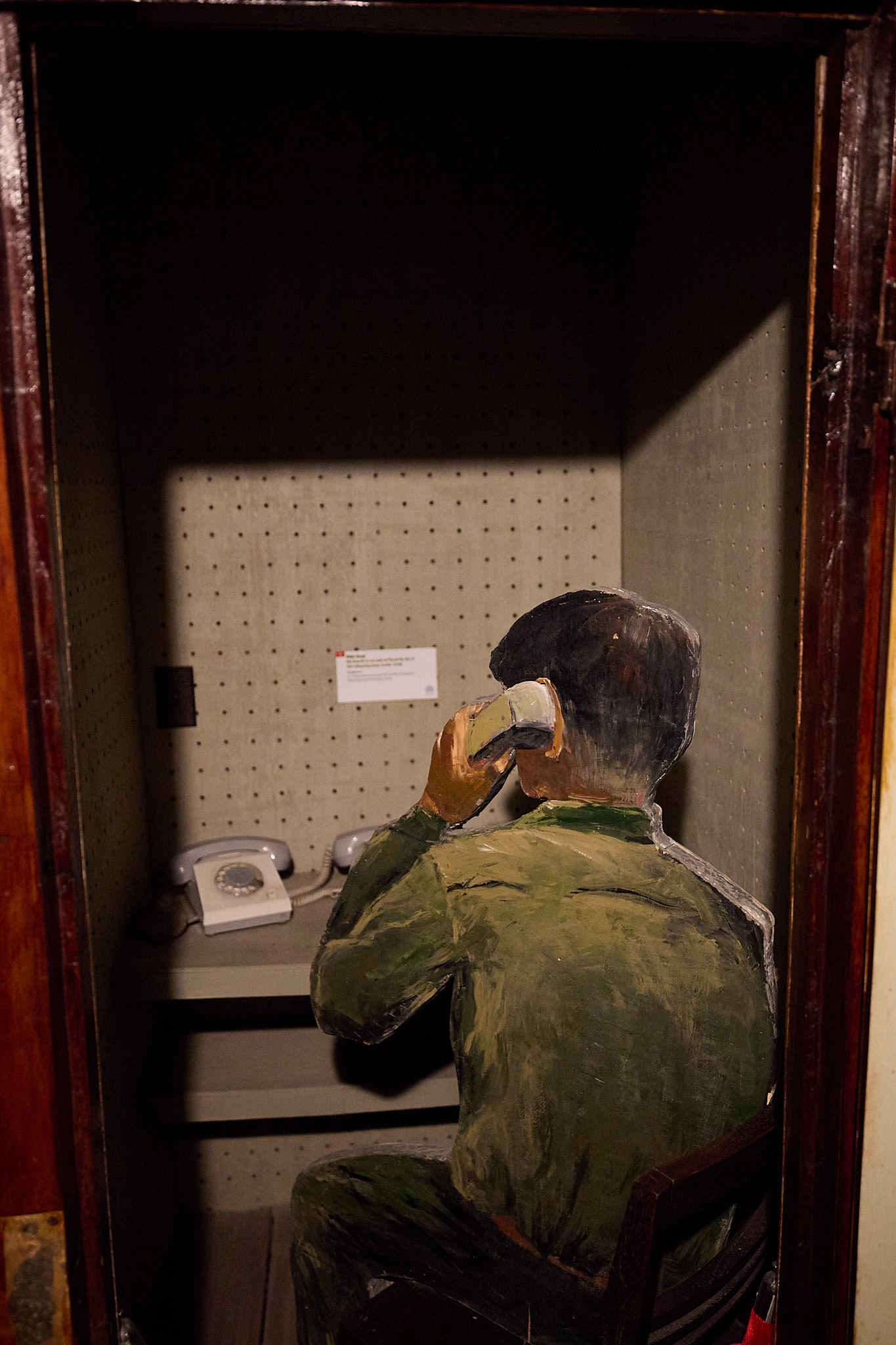
And then there was Telephone Number One, beside the chief duty officer. Its line ran to a wooden house on stilts by a pond, less than a kilometre away, where Ho Chi Minh lived. When it rang, there was not much doubt about who was calling. In the late 1960s, he is said to have called several times to ask how the fighting was going.
The air
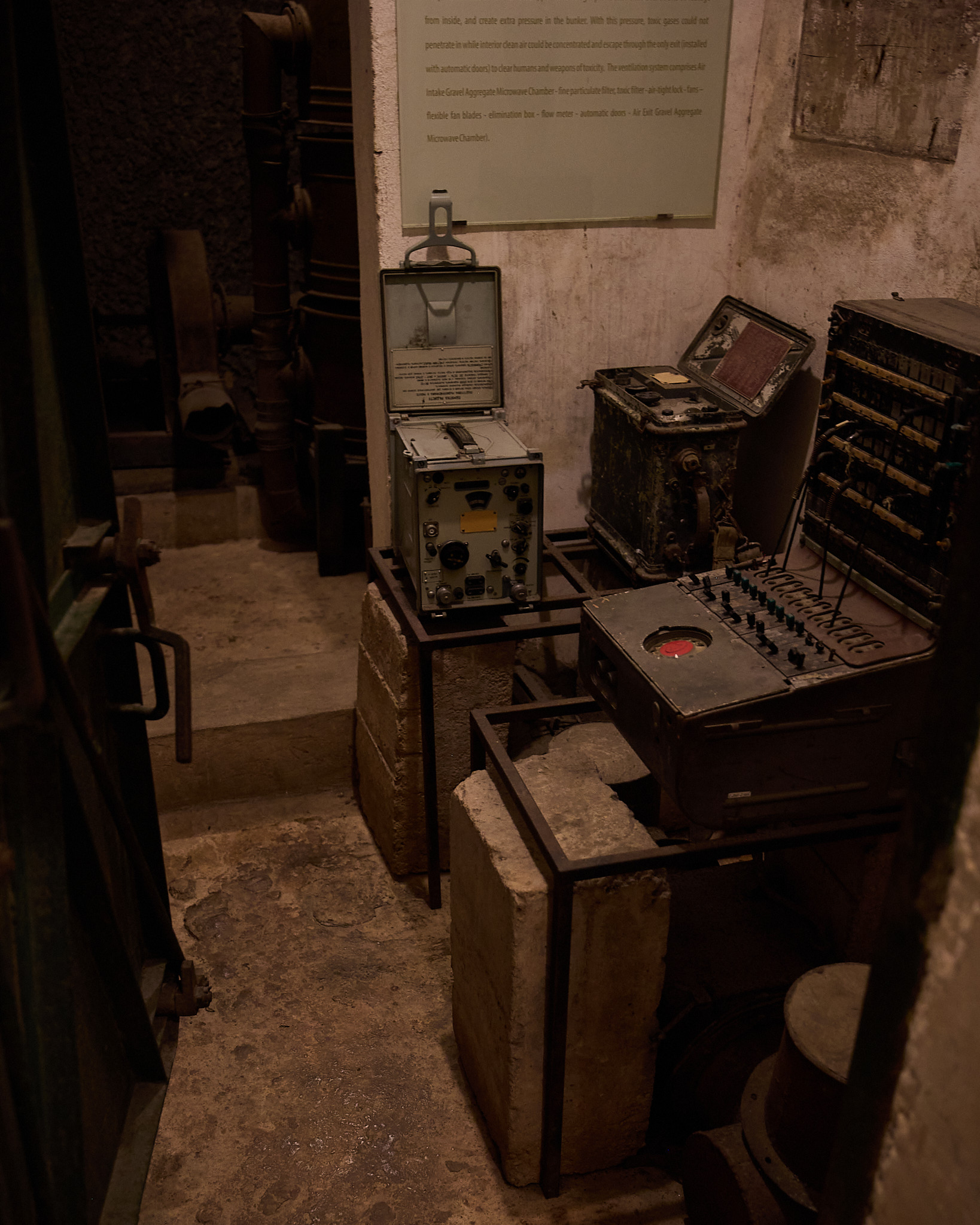
The smallest room kept everything else going: ventilation, filters, cooling, and the equipment that powered the telephones. The gas filter was Soviet-made.
A panel on the wall explains the clever part. Fans pushed air in until the pressure inside was higher than outside, so that poison gas could not get in. The bunker, in other words, was kept inflated. The doors were built for the same job: heavy ones against blast, lighter, airtight ones against gas and radioactive contamination.
How the B-52s attack
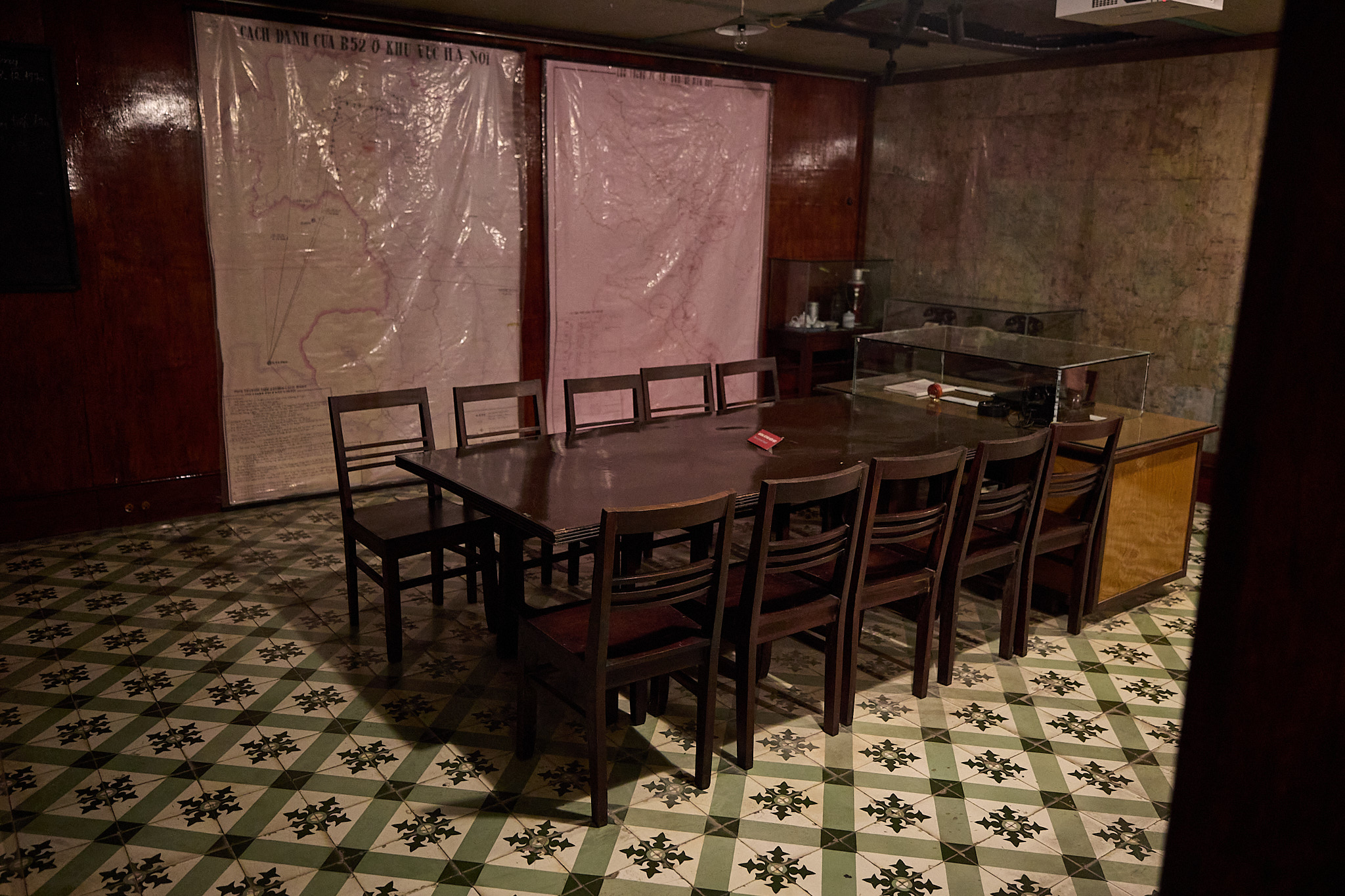
Back in the other rooms, the walls are hung with maps. One shows where the militia’s anti-aircraft units stood around Hanoi in November 1972. Another is headed, in Vietnamese, How the B-52s Attack in the Hanoi Area. There is a blackboard, too, with a schedule in chalk.
The B-52s came in December: twelve days and nights of raids on Hanoi. On the evening of the 18th, the first warning of those twelve days is said to have gone out from this bunker, thirty-five minutes before the bombers arrived.
It started with a red button in a corner of the duty room. Pressing it set off the siren on the roof of Ba Đình Hall, and then about fifteen more across the city, the one at the Opera House among them.
In films, the red button usually starts the trouble. This one told the city it was coming.
Visit this place
Location
Imperial Citadel of Thang Long (Hoàng thành Thăng Long) — Bunker T1
Inside the citadel grounds in Ba Đình, central Hanoi, south-west of the Kính Thiên Palace platform
19C Hoàng Diệu, Hanoi, Vietnam
Practical Information
- Opening hours
- The citadel is open daily, 8:00–17:00.
- Admission
- 100,000 VND per person for the citadel (the same for Vietnamese and international visitors).
- Visitor note
- Bunker T1 is inside the citadel grounds. Which buildings and bunkers are open can vary; check at the entrance.
Information last checked: November 6, 2026 (Citadel opening hours and admission checked against the heritage centre’s ticket notice. Access to Bunker T1 itself is unconfirmed.)
Conversation
Comments
Review pending commentsComments are reviewed before appearing. The internet already contains enough unattended surprises.
Loading comments…
Leave a comment