Ho Chi Minh’s Stilt House: He Turned Down the Palace
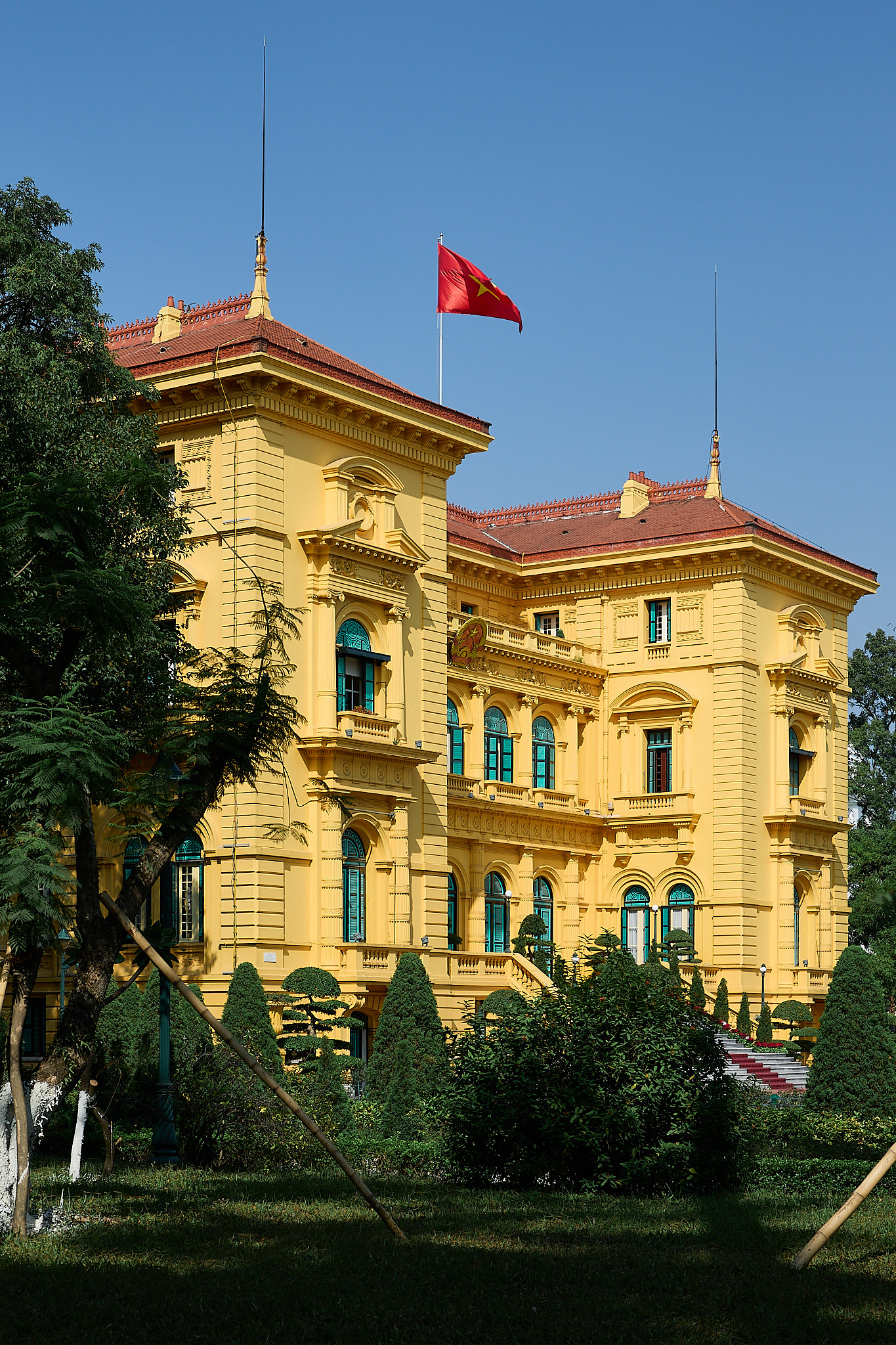
Between 1906 and 1945, twenty-nine governors-general of French Indochina, counting the acting ones, lived and worked in this yellow palace in Hanoi. In 1954, it passed to Ho Chi Minh’s government. He did not move in.
The palace took six years to build and has more than thirty rooms, each decorated in its own style. It became the Presidential Palace, and he used it the way a president uses a palace: he chaired cabinet meetings in it and received heads of state, ambassadors and delegations.
The palace was for governing. For living, he took the electrician’s house.
House 54
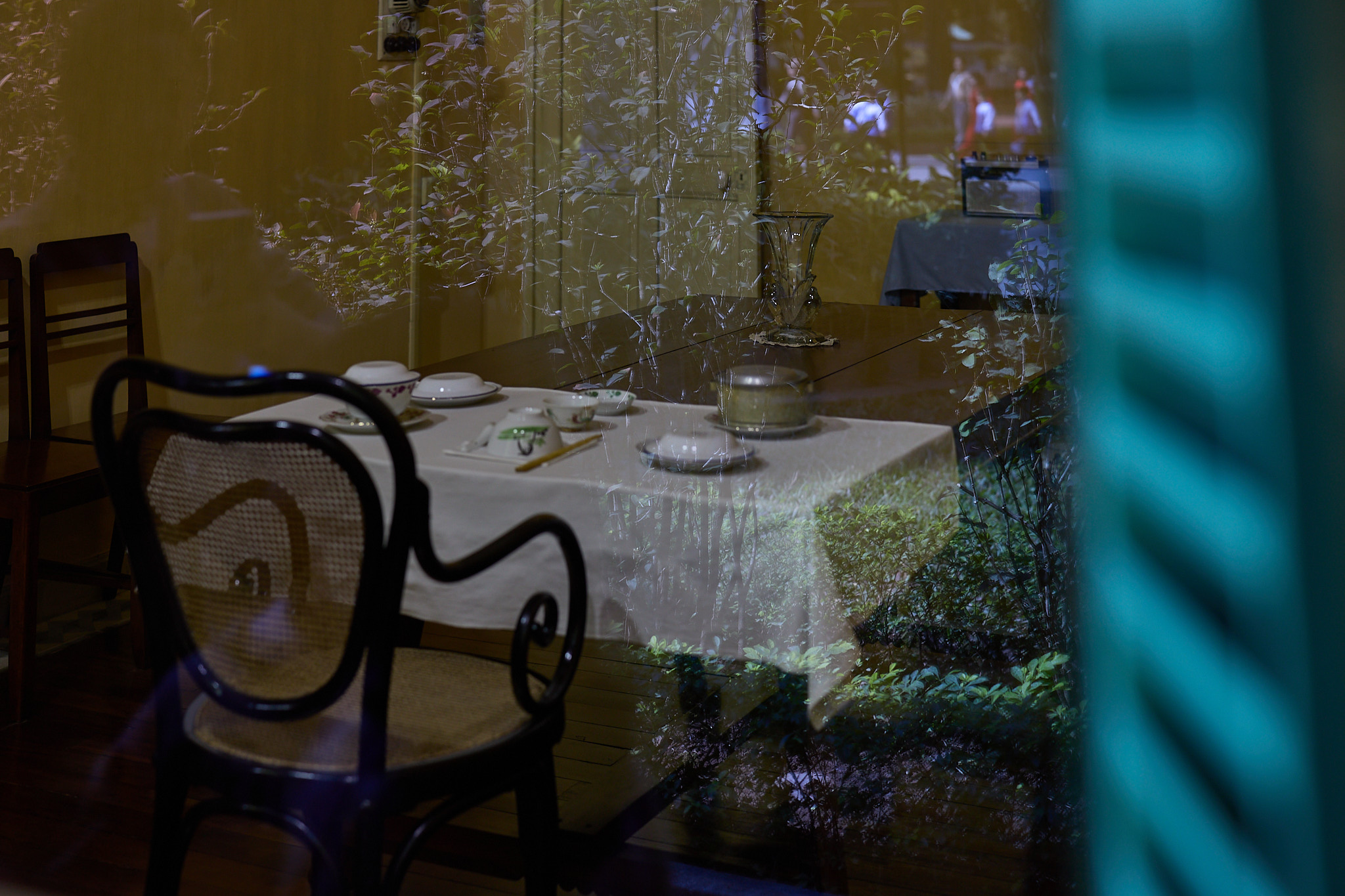
It was a small house with a tiled roof, in the staff quarters behind the palace, where the people who kept it running had lived. He moved in that December, and the site calls it House 54, after the year. He stayed almost four years, and even after he left it for the stilt house, he came back every day to eat and for his regular check-ups.
A house from the hills
The stilt house came about after a meeting at the palace with delegates from the ethnic minorities of Việt Bắc, the hill country in the north where he had lived during the war against the French. He asked for a small house on the far side of the pond, in the style of the houses there. The architect Nguyễn Văn Ninh built it while Ho Chi Minh was away on a trip, and the house was his from 1958.
Upstairs there are two rooms, a bedroom and a study. Downstairs is open on all four sides, for meetings and for receiving guests. At his request, a cement bench runs around the ground floor so that large groups of children could sit, and a tank of goldfish stood in the ground-floor corridor.
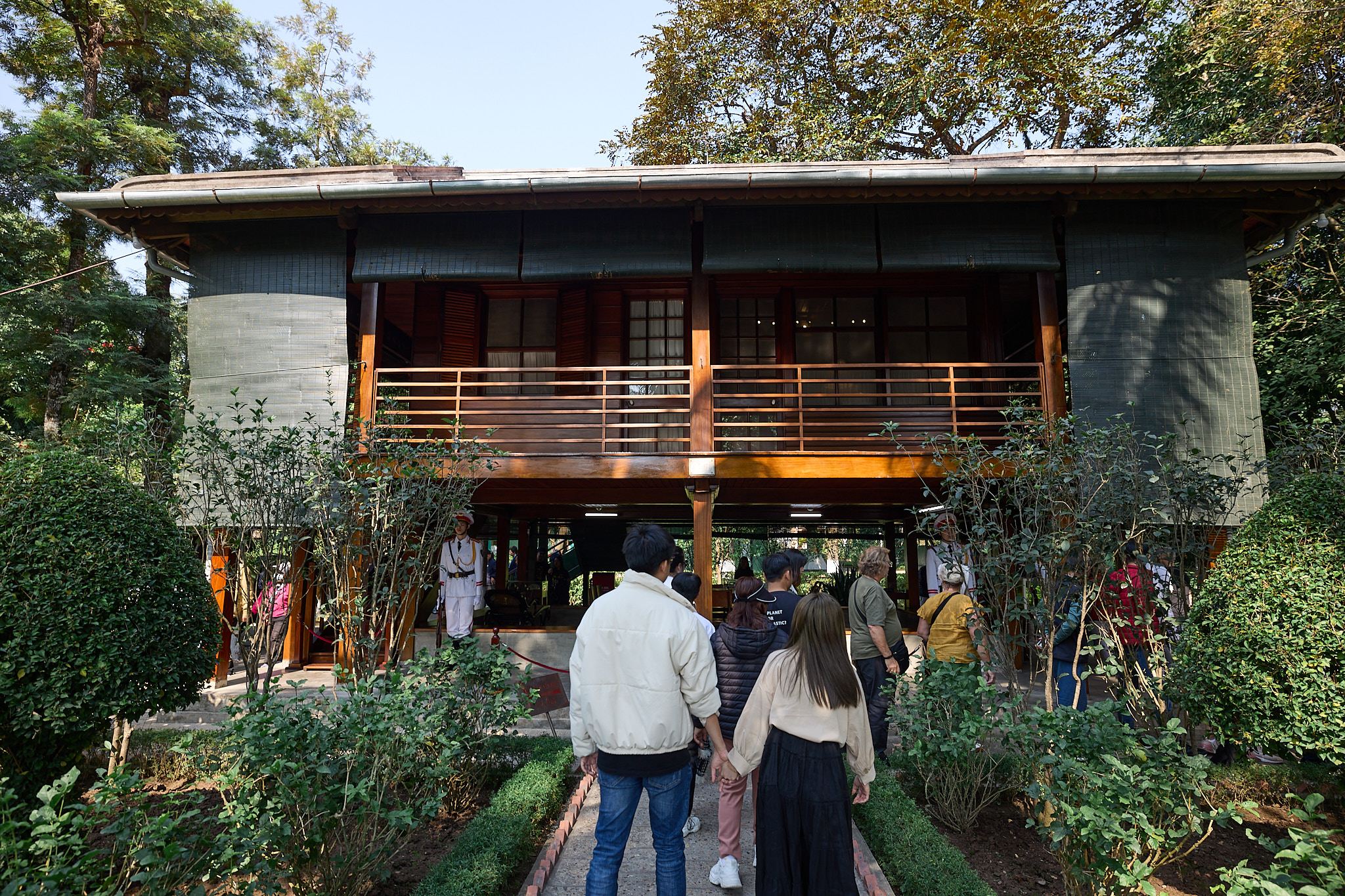
The rooms themselves can be looked into, but not entered.
HNC 232
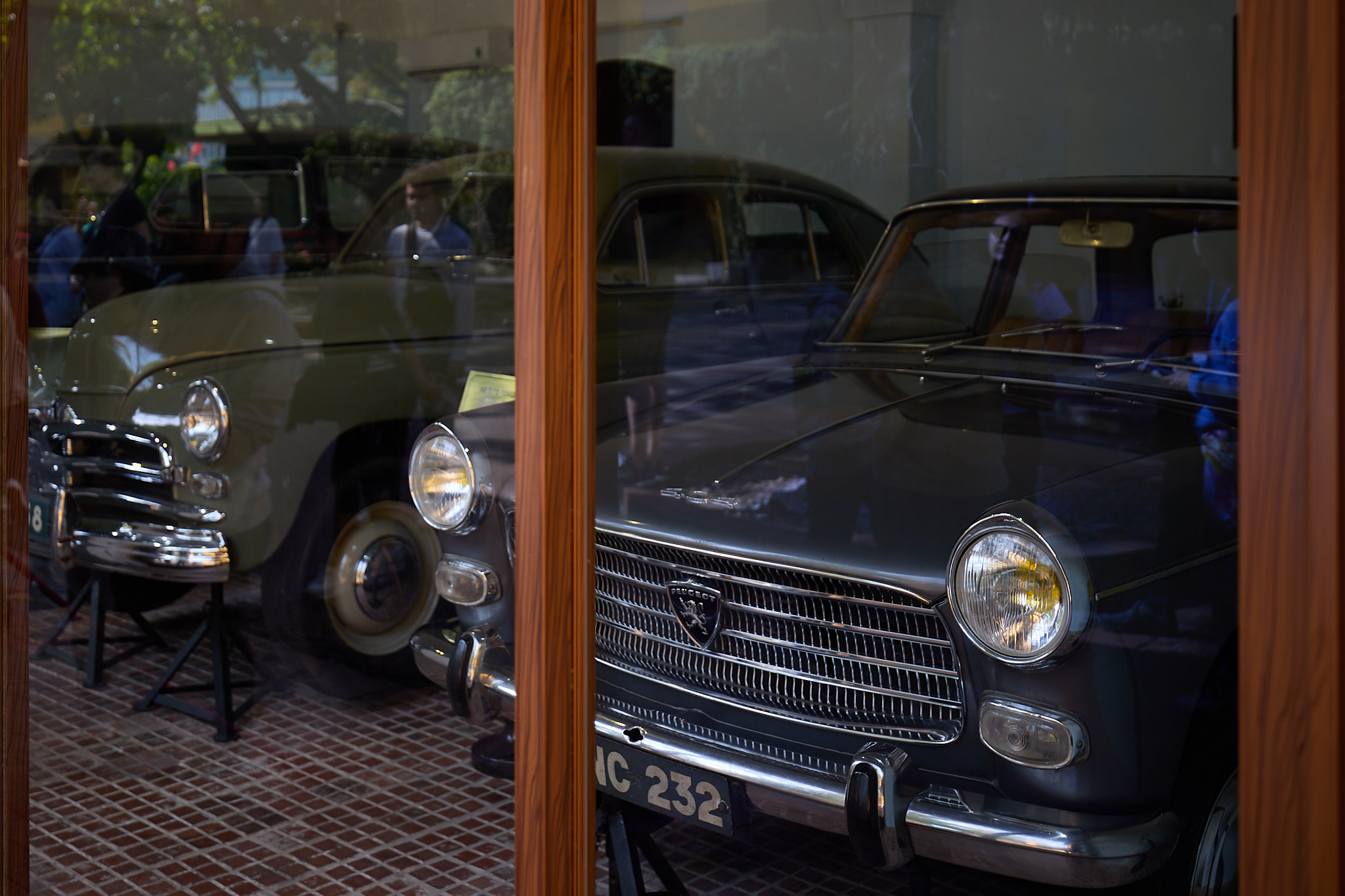
Behind glass nearby is a Peugeot 404, registration HNC 232.
It came from the South Pacific. From the late nineteenth century, poor Vietnamese, hoping for a better life, had been recruited to work for the French in New Caledonia and the New Hebrides. In the early 1960s, more than six thousand of them and their descendants came home, on eleven voyages. The last ship carried eleven Peugeot 404s, bought with money the community had collected, as a gift to Ho Chi Minh and the government.
One of them was assigned to him. It was used mostly in the city, and in his last years, after a mild stroke had weakened his legs, its low chassis made it easier to get in and out of.
Growing Buddhas
In the late afternoon, after work, he would sit by the bridge over the pond and feed the fish. He called them, the site’s keepers say, by clapping his hands. The fish were served to guests, given away at Tết, and sent to the provinces as breeding stock.
Around the pond stand trees of the cypress family whose roots come up out of the ground in clusters of knobs. Botanists call them knees and still do not fully agree on what they are for. He thought they looked like little Buddha statues, and named the trees bụt mọc: growing Buddhas.
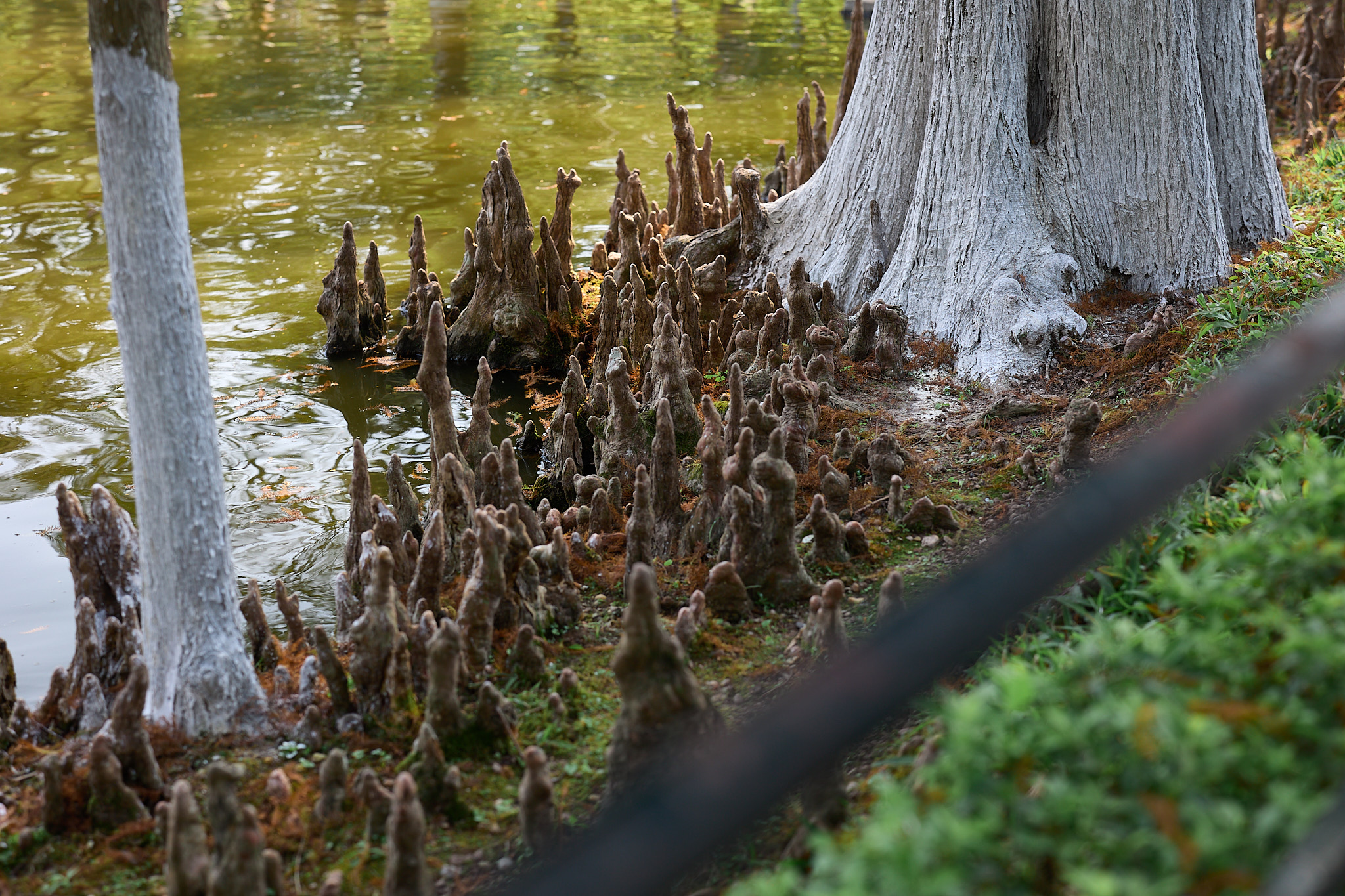
One of them, by the bridge, had two-thirds of its trunk eaten away by termites, and the gardeners wanted to cut it down. He told them to scrape out the damage, pack the trunk with straw and lime and seal it with cement. The tree recovered. He is said to have used the story afterwards to make a point about people: those who make mistakes should be helped to put things right, not cast aside.
House 67
In 1967, as American bombing of the North intensified, the Politburo had a third house built behind the stilt house, in case the raids came before he could reach a shelter. Army engineers put it up in two months. Its walls are more than sixty centimetres thick, and its ceiling more than a metre.
He moved in for good only in August 1969, when his doctors told him to stop climbing the stairs of the stilt house. He died there on the morning of 2 September. The clock by the bed still shows 9:47, and the calendar on the wall still shows the date. He lies now in the mausoleum on the square beyond the trees.
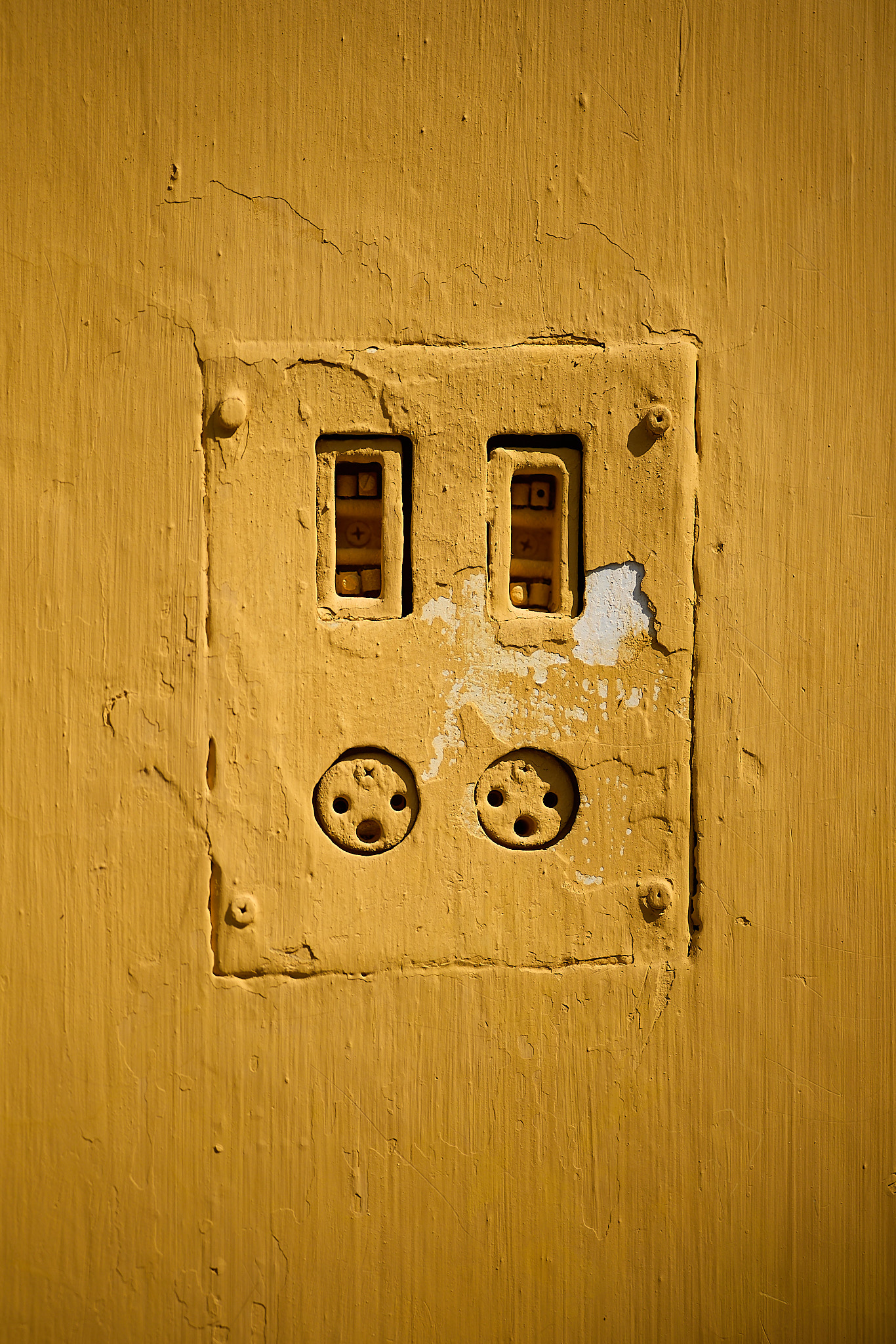
The yellow
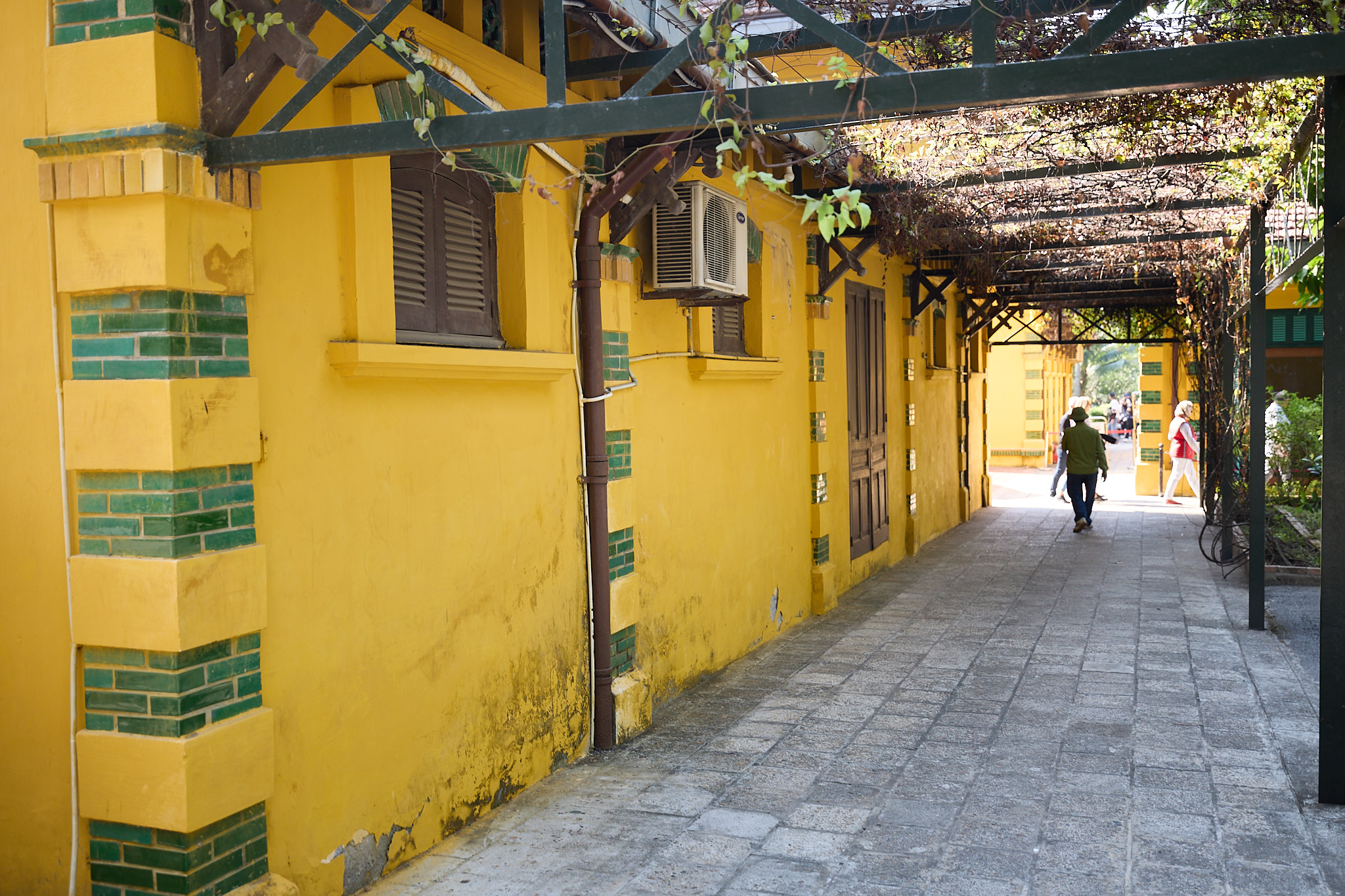
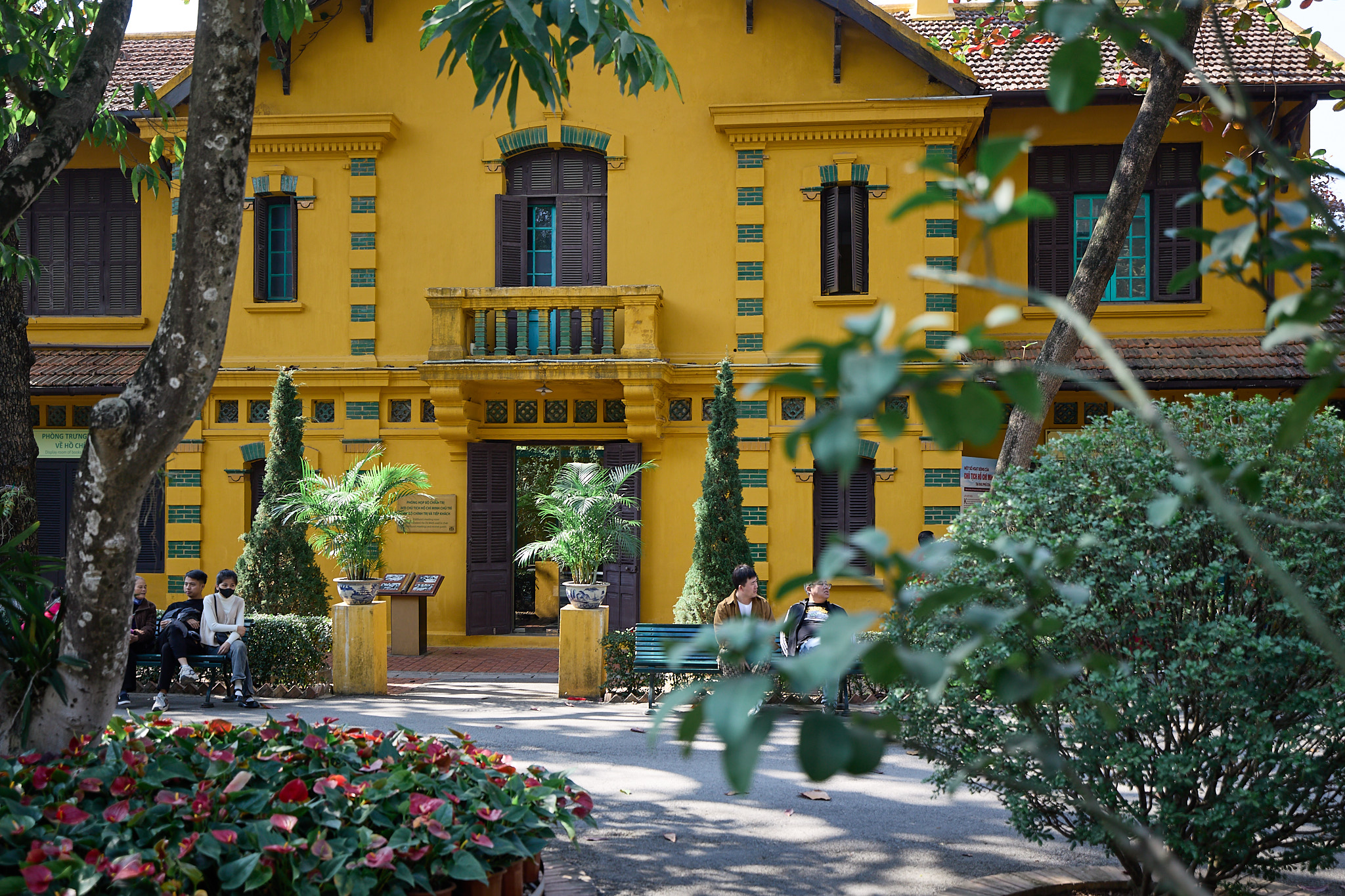
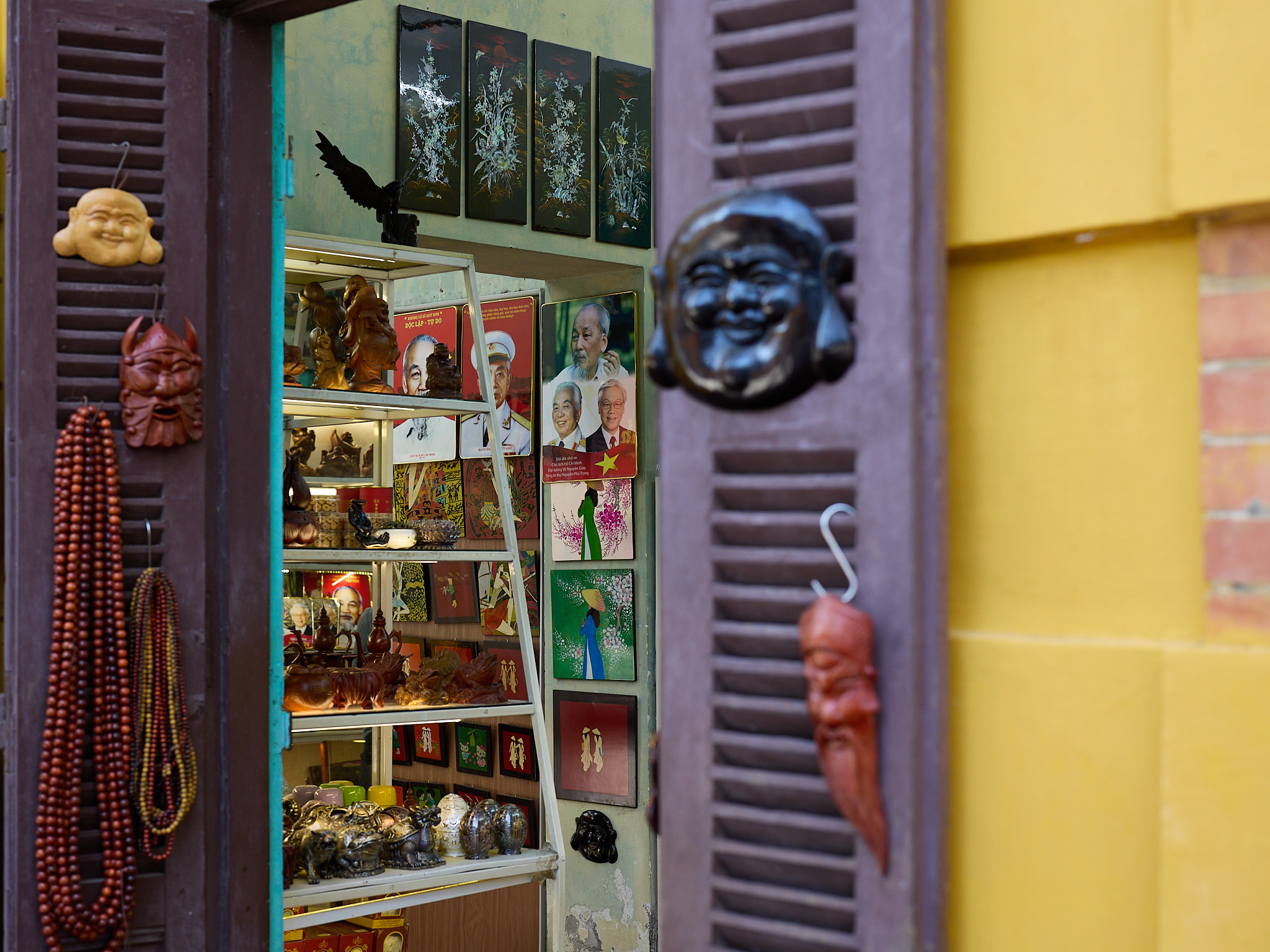
The way out leads back between yellow buildings: corridors with green-tiled bands, two-storey houses with dark shutters, one with red brick running round it.
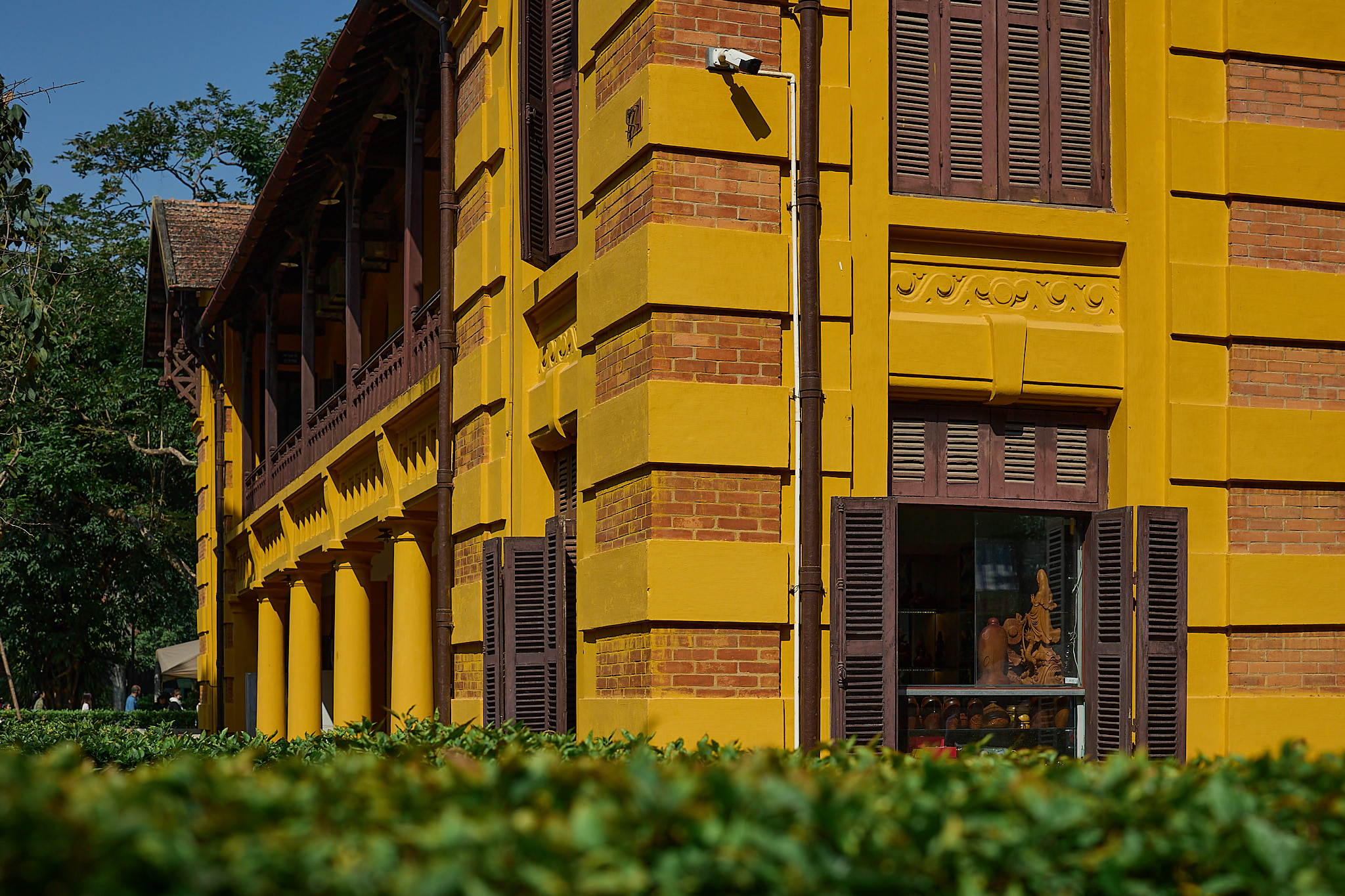
Near the exit, a shop window: masks, carved figures, lacquer panels, and his face, several times over.
Visit this place
Location
Ho Chi Minh’s Stilt House (President Ho Chi Minh Relic Site at the Presidential Palace)
In the grounds behind the Presidential Palace, next to Ba Dinh Square; the way in continues from the mausoleum along Ngọc Hà Street
1 Hoàng Hoa Thám, Ba Đình, Hanoi, Vietnam
Practical Information
- Opening hours
- Summer 7:30–11:00 and 13:30–16:00; winter 8:00–11:00 and 13:30–16:00. Closed on Monday afternoons. The official visitor page also lists a Friday afternoon closure, while its footer does not; check before planning a Friday afternoon visit.
- Admission
- 40,000 VND for foreign visitors
- Visitor note
- The Presidential Palace is seen from the garden only. The rooms of the stilt house can be looked into but not entered. Dress respectfully.
- Official website
- Visitor information
Information last checked: November 24, 2026 (Opening hours rechecked on the official visitor page; the Friday afternoon closure differs within the official site. Admission as checked on 27 October 2026.)
Conversation
Comments
Review pending commentsComments are reviewed before appearing. The internet already contains enough unattended surprises.
Loading comments…
Leave a comment