Ba Den Cable Car: Gaudí at the Top, Rice at the Bottom
On the day it opened, in January 2020, Guinness named the cable-car station at the foot of Bà Đen mountain the largest in the world. The people who designed it wanted you to feel you were in a forest, not a station.
Five columns rise through its main hall and branch out under the roof into canopies of curved ribs: ancient trees, according to the developer. Or, in another reading, five giant sheaves of ripe rice. Seen from above, the roof makes three waves, standing for the three best-known mountains in Tây Ninh province, this one among them.
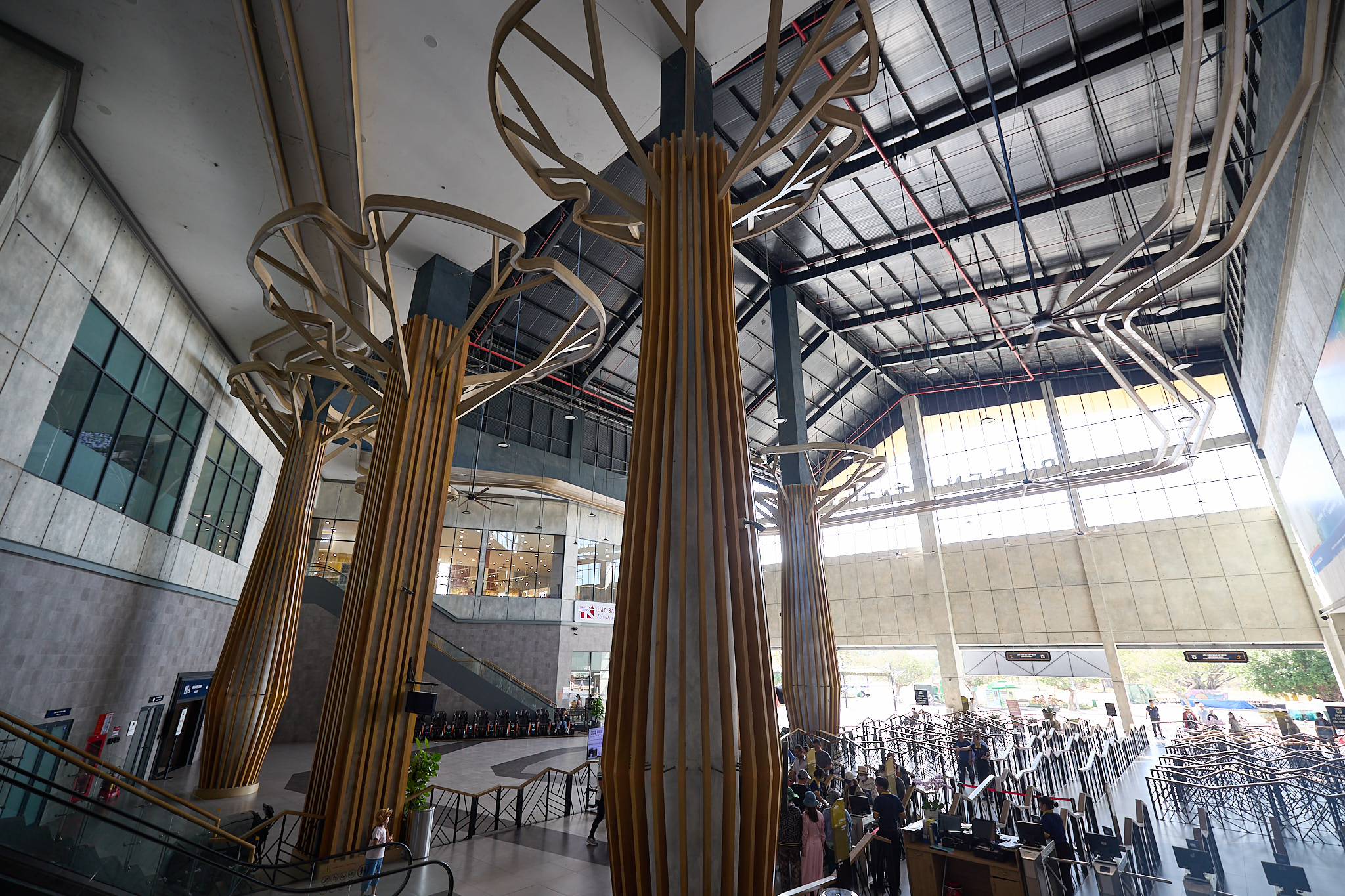
The forest is built for crowds. Bà Đen, a day trip north-west of Ho Chi Minh City, is a mountain of pilgrims, and its older cable car was often overloaded, especially in the first month of the lunar year.
From the same building, another line runs up to the temples on the mountainside. Its top station is built like a five-storey pagoda, with a seated Buddha said to be hidden in the design of its walls. So far, the stations had dressed for the neighbourhood.
Eight minutes
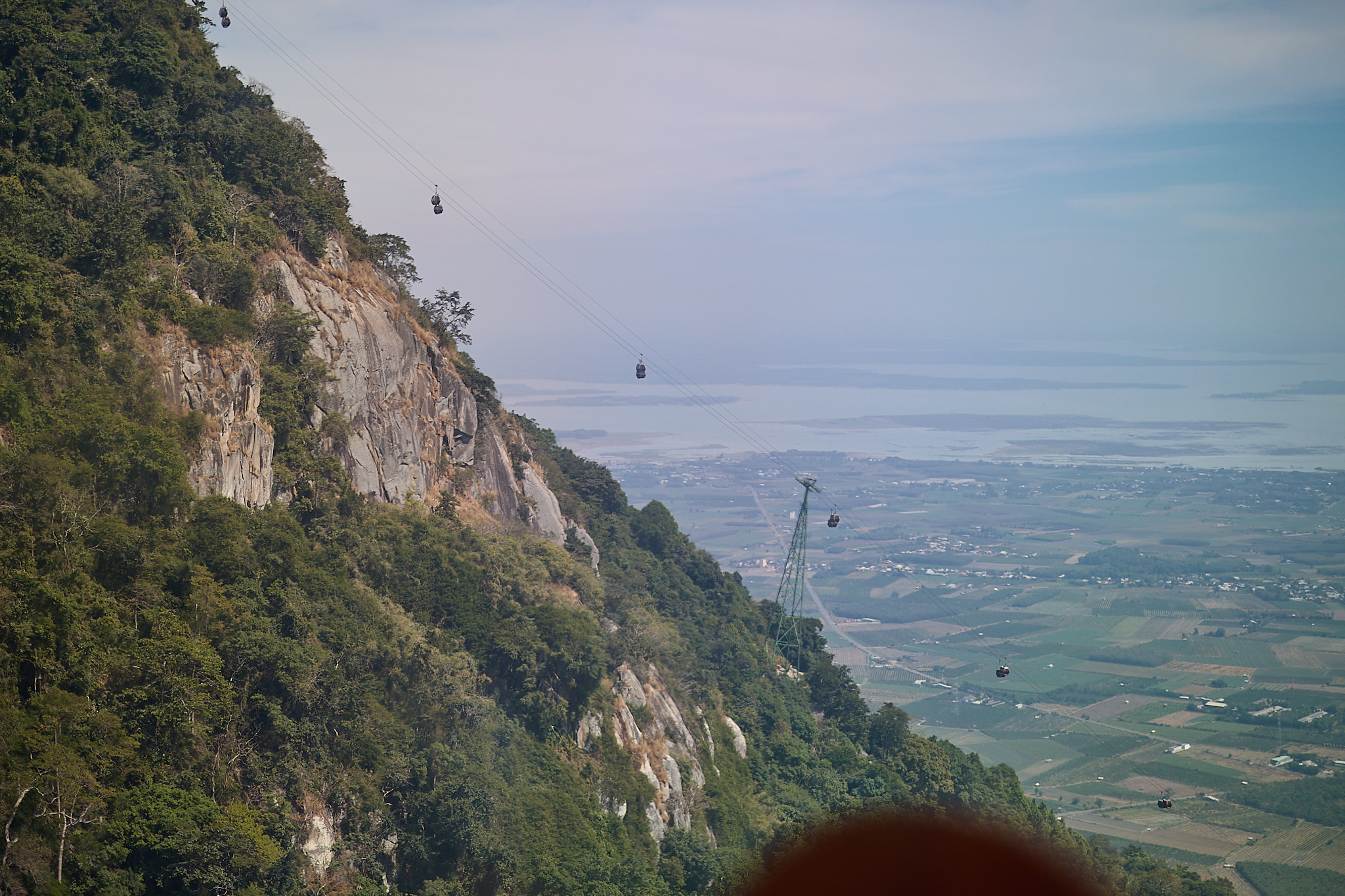
I took the other line, to the summit. It climbs nearly 900 metres in about eight minutes. On foot, the same climb is reckoned at around four hours.
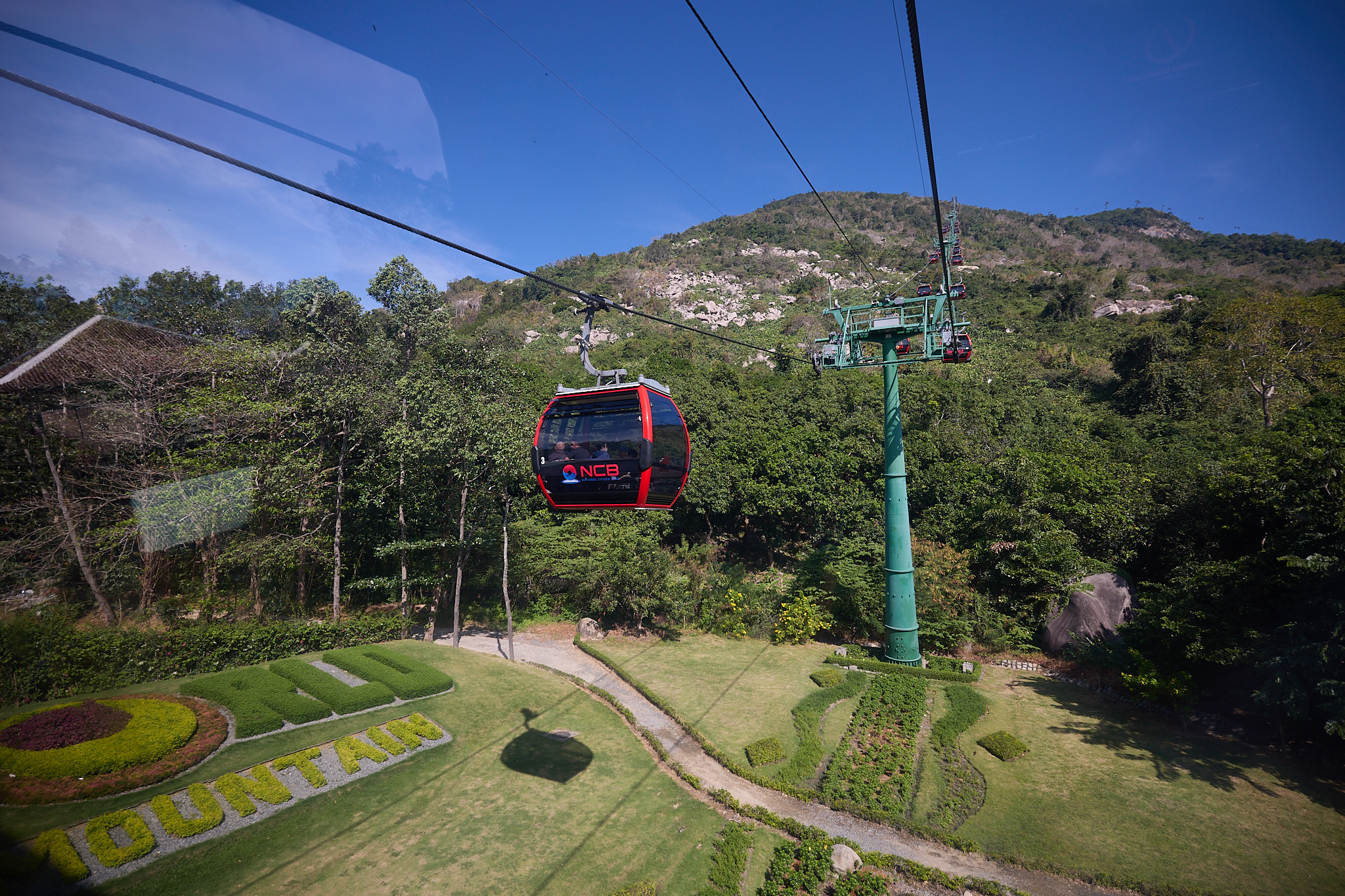
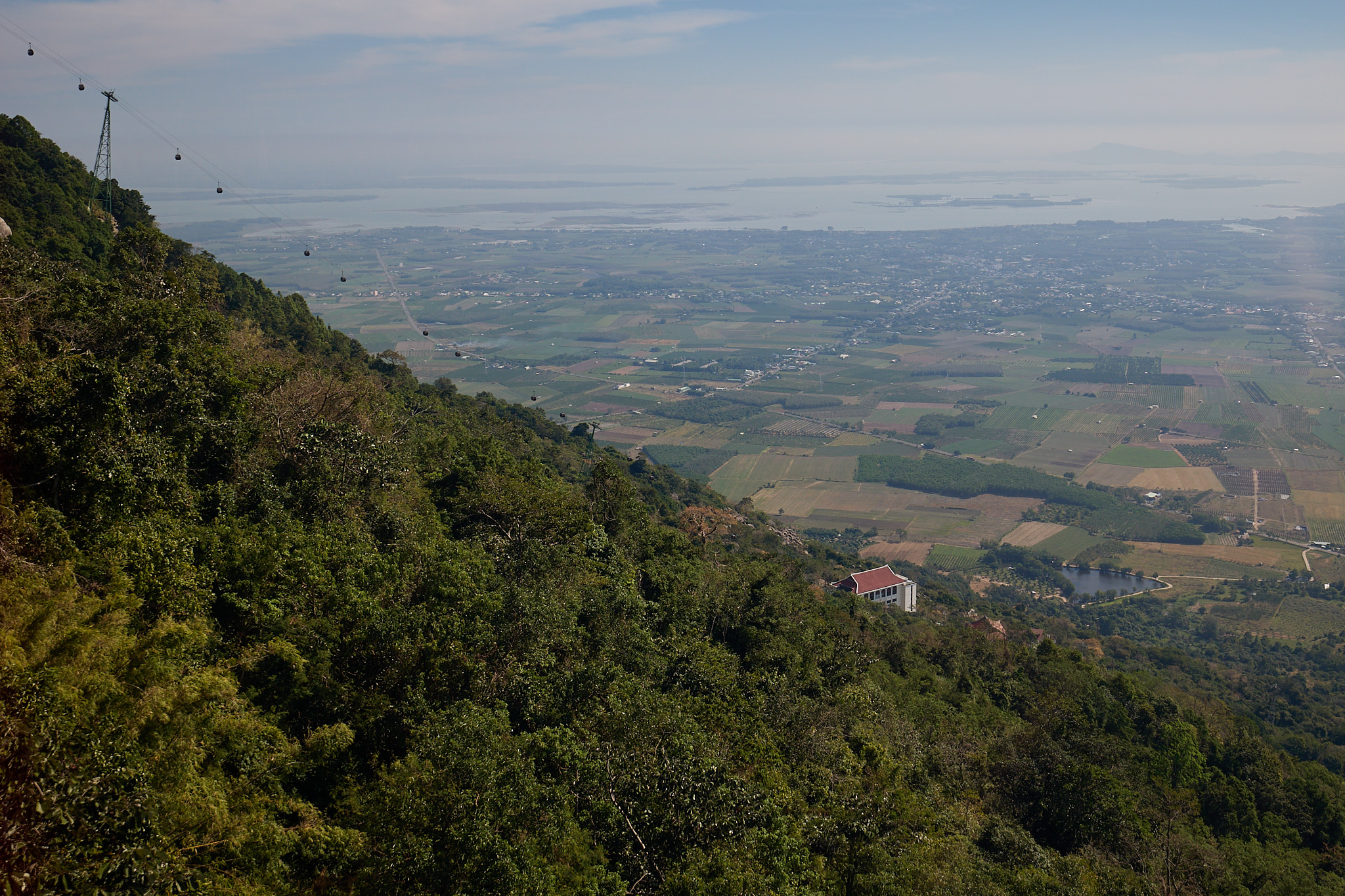
The mountain is the highest in southern Vietnam, and below the cabin the plain runs flat to the haze. With all that underneath, the ride felt far grander than eight minutes ought to.
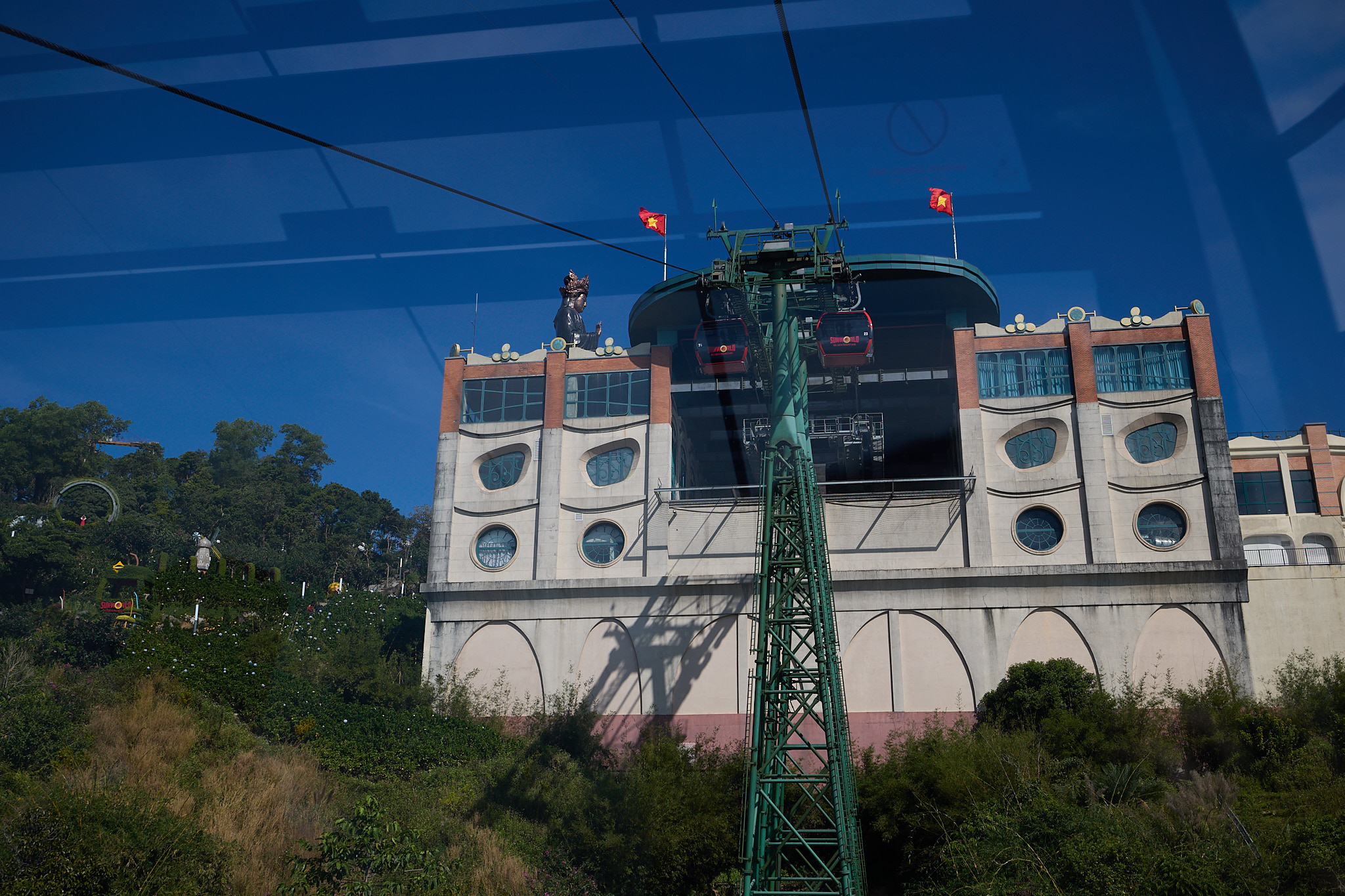
Near the top, the summit station came into view. It had not dressed for the neighbourhood.
Barcelona
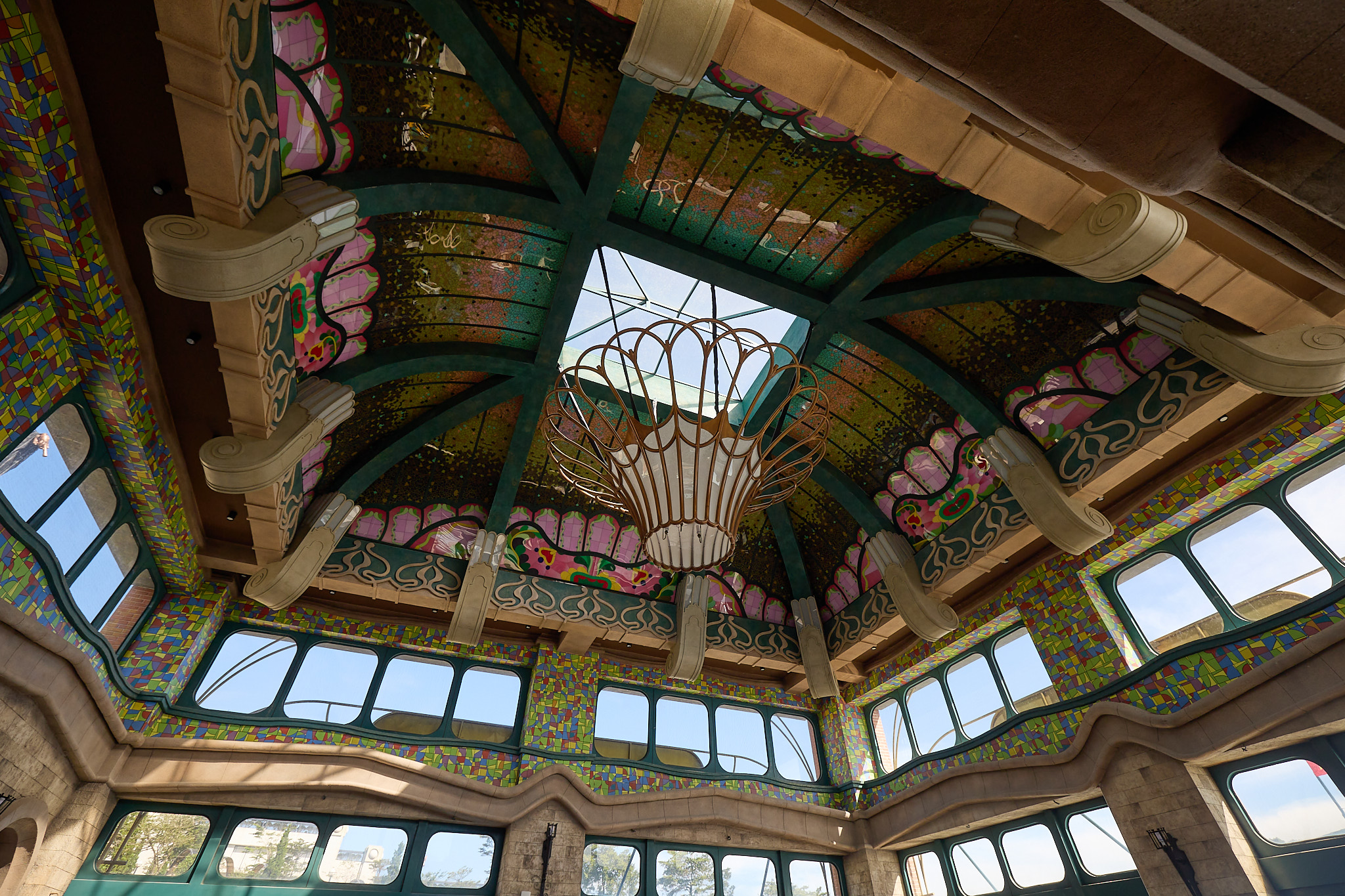
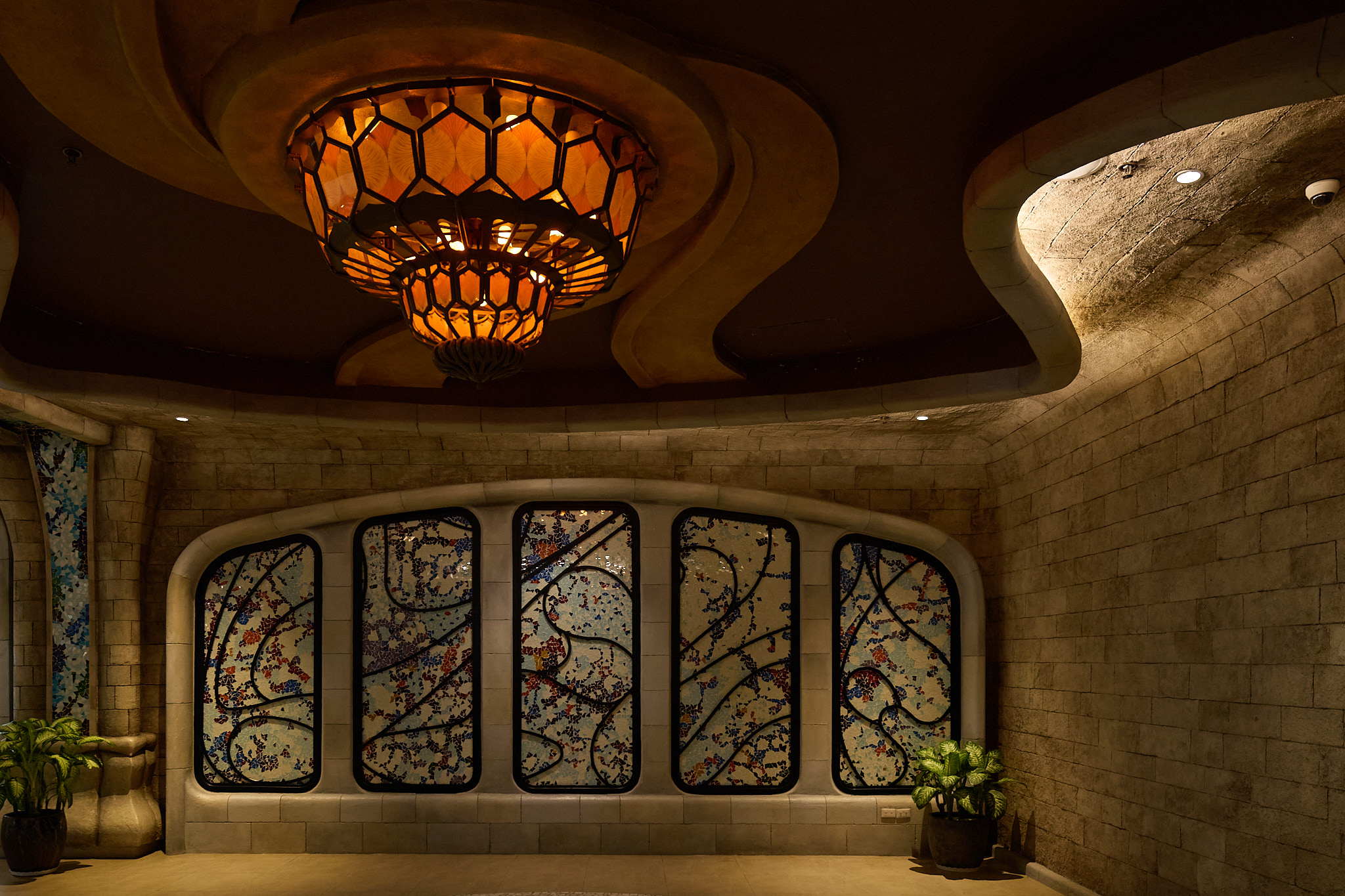
Inside, the ceilings swirl. The walls are sandstone set with pieces of coloured glass, the columns swell as they rise, the chandeliers hang like amber honeycombs, and even the queue barriers curl. I had come up a mountain in Vietnam and walked into a building that seemed to think it was in Spain.
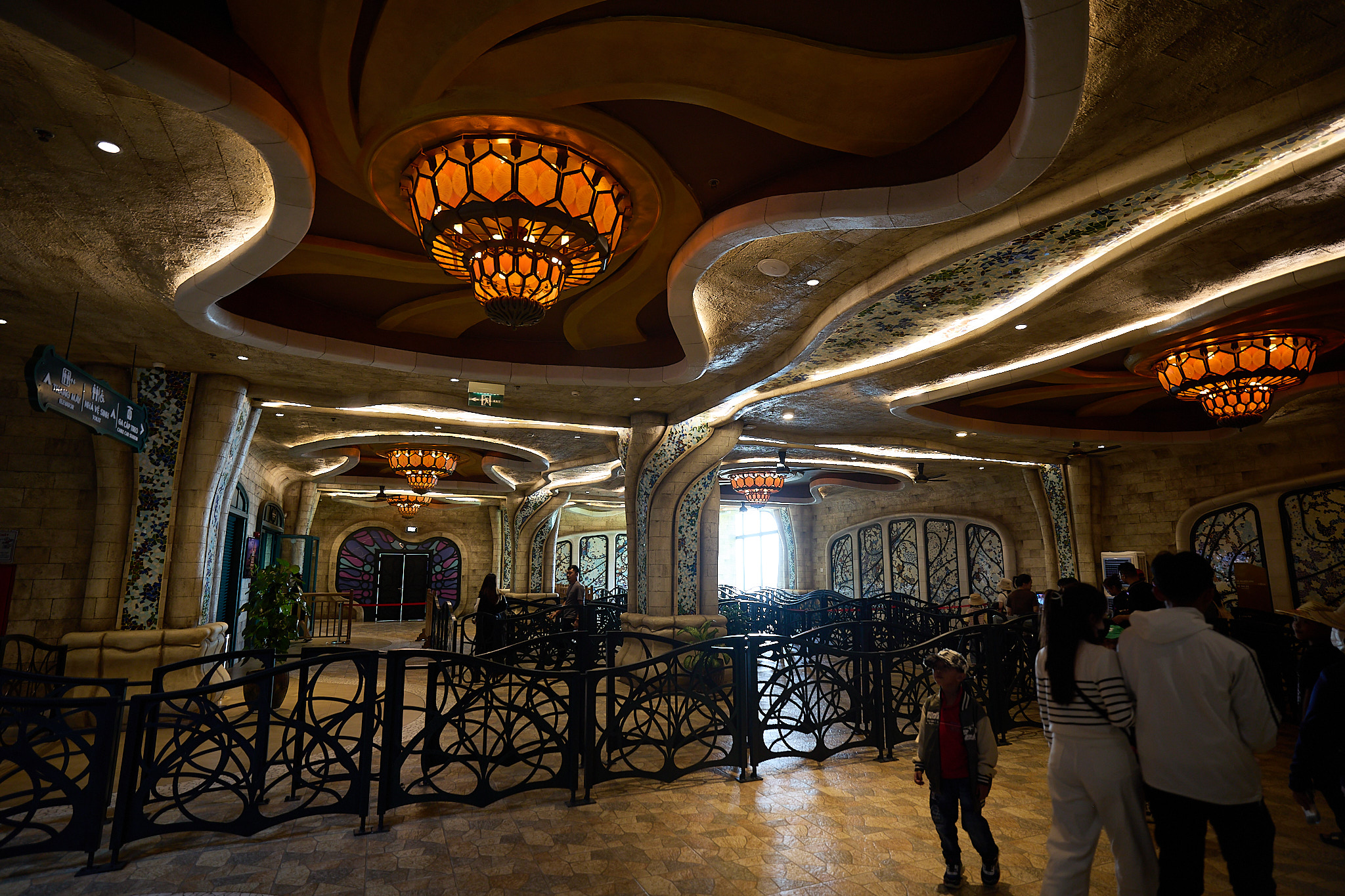
The operator, Sun World, names three of its inspirations, all in Barcelona and all by Antoni Gaudí: Park Güell, Casa Batlló and the Sagrada Família. That last one, as it happens, has a forest inside it too: Gaudí designed its columns to branch like trees. Work on it began in 1882. The whole cable-car system here, all three stations included, took a year and a half.
Closer to home
Spain is not the whole story. The station has one more inspiration, a short drive away: the Holy See of Cao Đài, a religion founded here in 1926 that honours the Buddha, Jesus, Confucius and Laozi, among others. I went on there afterwards. It has two towers like a church’s, dragons coiled up its pillars and colour on almost every surface.
Barcelona, then, by way of Tây Ninh.
Outside
On the way back to the cable car, I looked up at the front of the station: brick, a green-blue canopy, gold letters. Over the roof, a crown was showing. Under the crown, a pair of eyes.
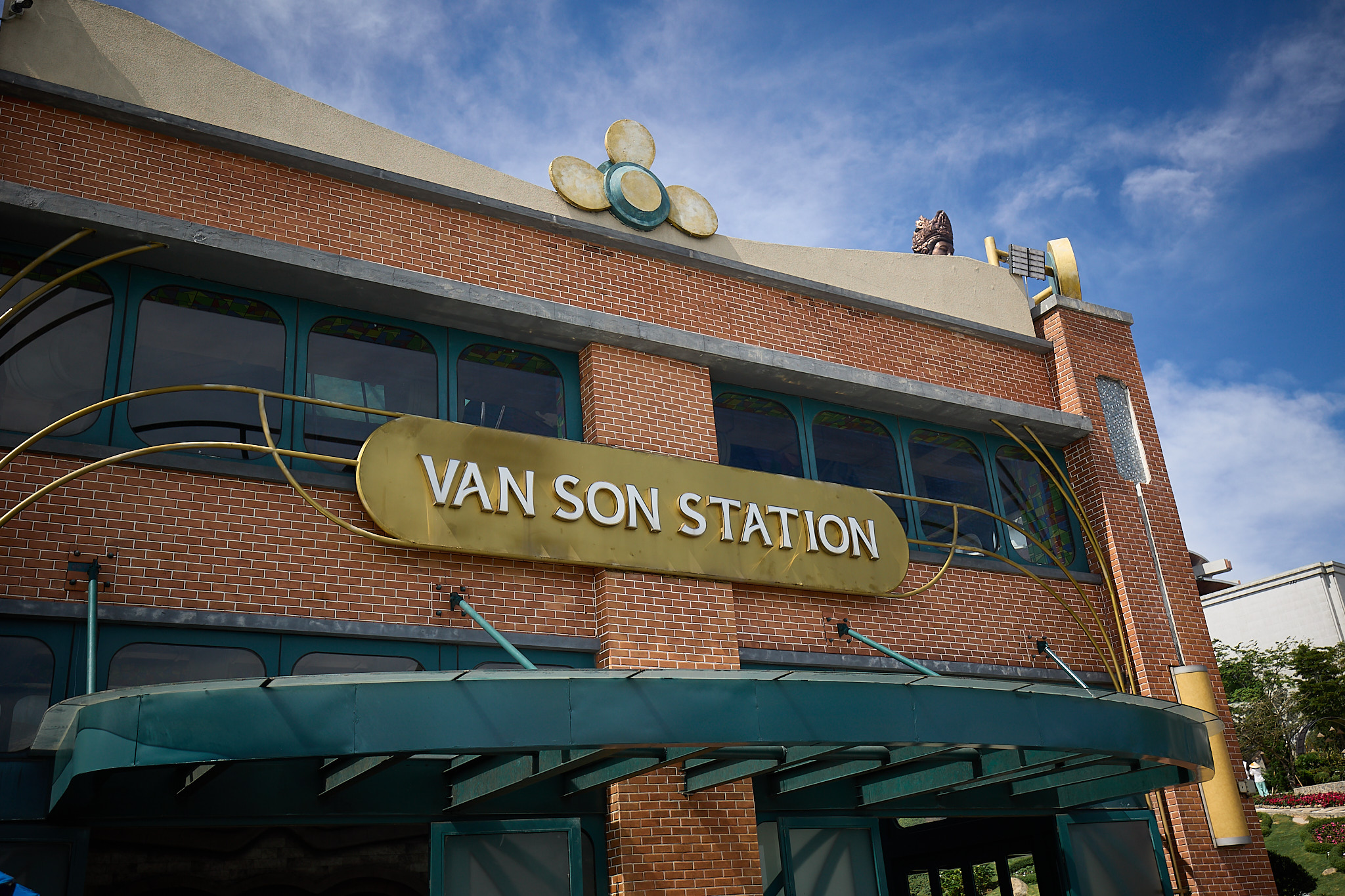
They belong to a bronze Guanyin, the bodhisattva of compassion, standing behind the station: 72 metres of her, pedestal included.
Up here, she is the one dressed for the neighbourhood.
Visit this place
Location
Ga Bà Đen (base cable-car station), Sun World Ba Den Mountain
At the foot of Bà Đen mountain, about 100 km north-west of Ho Chi Minh City. The base station for the cable cars to the summit (Vân Sơn line) and to the temples on the mountainside (Chùa Hang line).
Ba Den Mountain, Ninh Phú, Bình Minh, Tây Ninh, Vietnam
Practical Information
- Getting there
- About 100 km north-west of Ho Chi Minh City; allow roughly 2½–3 hours by road each way.
- Cable cars
- From the base station, the Vân Sơn line runs to the summit in about 8 minutes, and the Chùa Hang line to the temples on the mountainside in about 5. A third line, Tâm An, links the temples with the summit on weekends.
- Opening hours
- Vân Sơn and Chùa Hang: Mon–Fri 6:00–20:30, Sat 5:30–21:00, Sun 5:30–20:30. Tâm An: Sat–Sun 6:30–19:00. Check Sun World before you go.
- Admission
- Standard prices for 28 September–31 December 2026 (adult / child, VND): site entry 10,000 / 5,000; Vân Sơn 450,000 / 350,000; Chùa Hang 250,000 / 150,000 return or 150,000 / 100,000 one way; Tâm An 450,000 / 350,000; Vân Sơn and Chùa Hang together 650,000 / 500,000.
Combinations that include lunch and limited-time offers are priced separately. Buy at the base station or through Sun World’s booking site. Sun World — Bà Đen ticket prices (Vietnamese) - Official website
- Sun World Ba Den Mountain
Information last checked: November 24, 2026 (Cable-car routes, operating hours and standard ticket prices checked against Sun World’s timetable effective 28 September 2026 and its price list for 28 September–31 December 2026.)
Conversation
Comments
Review pending commentsComments are reviewed before appearing. The internet already contains enough unattended surprises.
Loading comments…
Leave a comment