Hoa Lo Prison: Christmas Eve in the Sewer
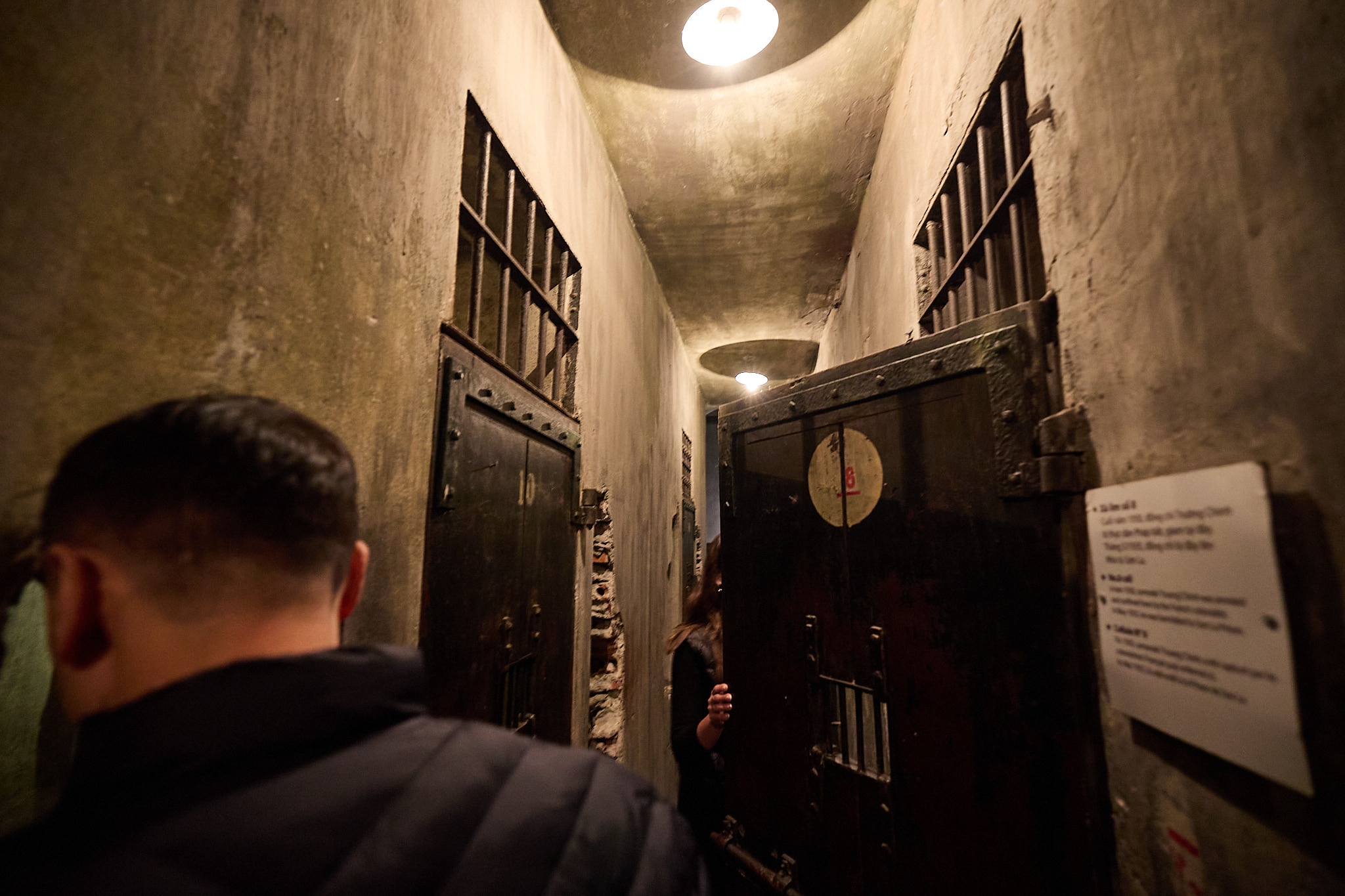
Hỏa is fire. Lò is a stove, an oven, a kiln. The name is older than the prison.
Before the French came, this was Phụ Khánh, a village that made ceramic things for the kitchen: stoves, pots, kettles. In 1896, the colonial authorities began building a prison on it. The communal house and a pagoda were moved to another street, other pagodas were torn down, and the village went with them. Only the name of its stoves stayed, attached to the prison.
What is left of that prison stands in the middle of Hanoi. I walked through it on the morning of New Year’s Eve, 2024, a week to the day after Christmas Eve.
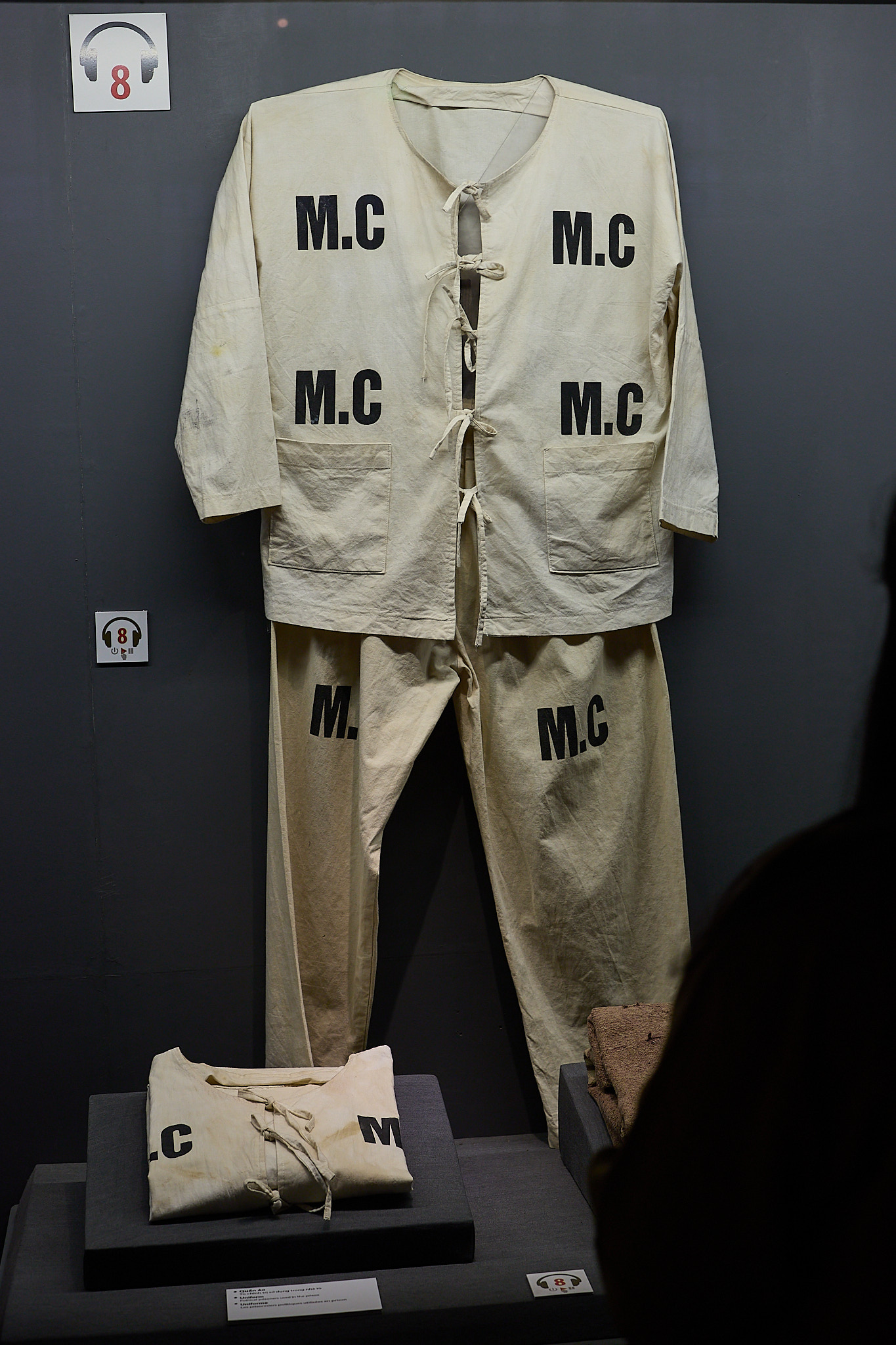
The French had their own name for the place, Maison Centrale, and the prisoners wore it. The uniform in the display case is white, tied at the front with cloth strings instead of buttons, and printed with M.C. in big black letters: four times on the jacket, twice more on the trousers.
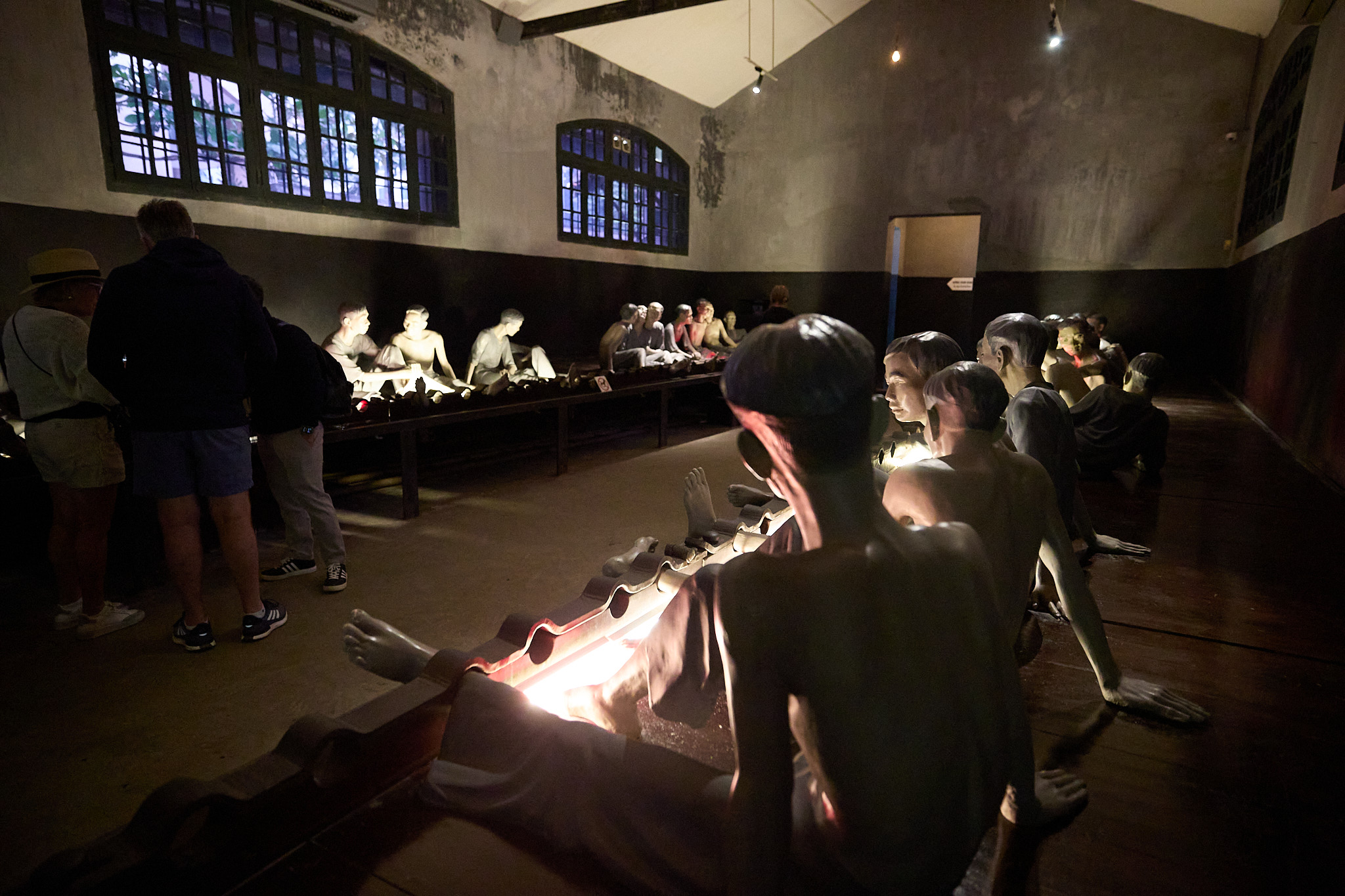
In the communal cell, the prisoners are life-size figures, sitting in rows with their feet locked side by side into long shackles.
Even here, there was a school of sorts. In the first half of the 1940s, political prisoners held classes, wrote out their papers at night and hid them in holes drilled into the walls.
Christmas Eve, 1951
In 1951, the prison was still in French hands, and some of the prisoners on death row were working on a different subject: the way out. The museum tells it step by step.
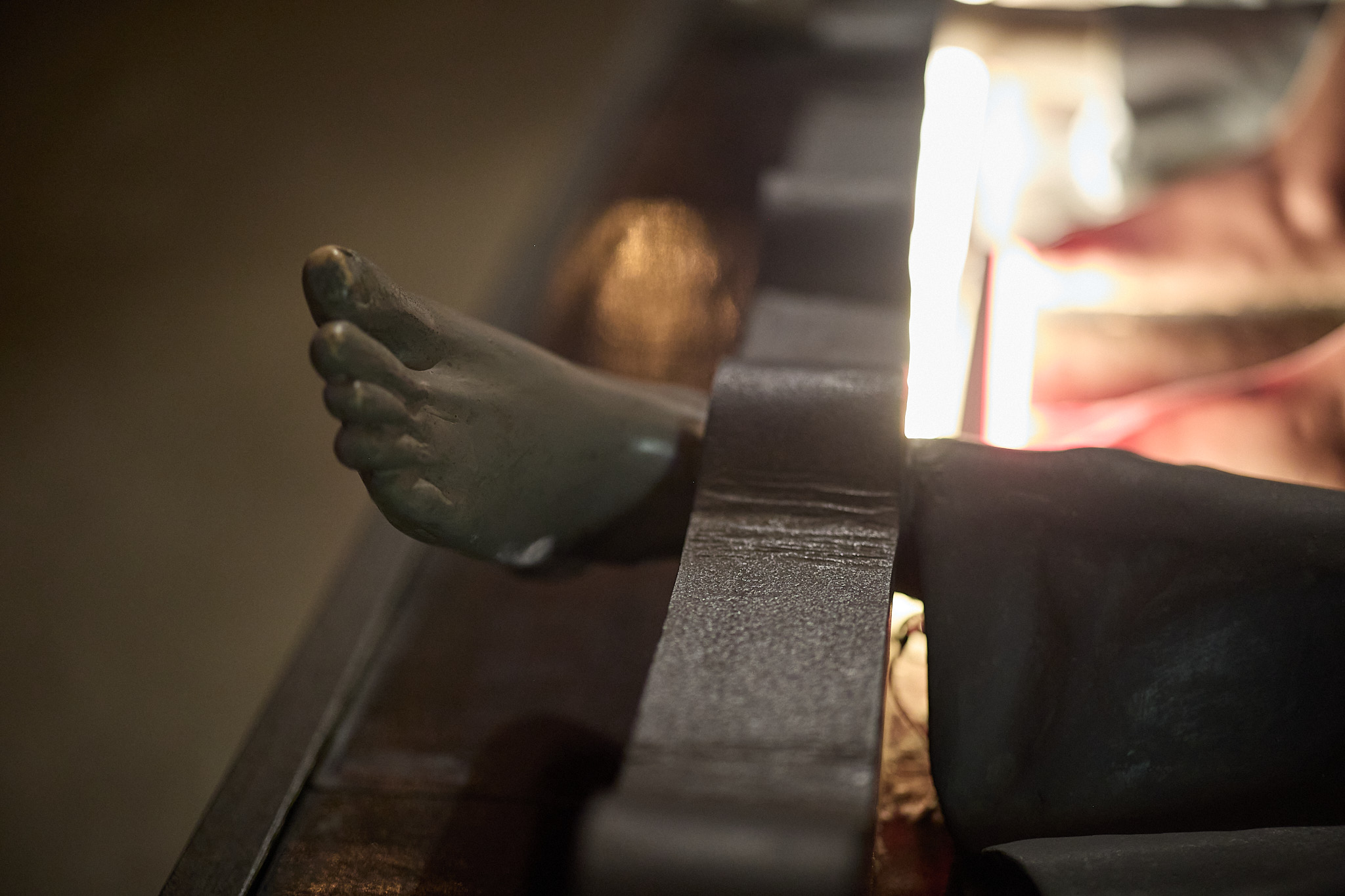
The first problem was their feet. They had been locked into shackles of wood and iron for a long time. Using charcoal and rags soaked in pork fat, they burned the wood until the holes were wide enough to slip a foot out, then hid the scorch marks under lamp soot mixed with machine oil. With their feet secretly free, they trained to get their strength back.
The second problem was the door. One of the guards loved table tennis, so a prisoner played him and let him win a few sets. While the guard was in a good mood, another prisoner borrowed his keys, saying he needed to fix a name tag on a cell, and handed them back before the guard suspected anything. A prisoner who was a skilled metalworker made two copies in about ten days.
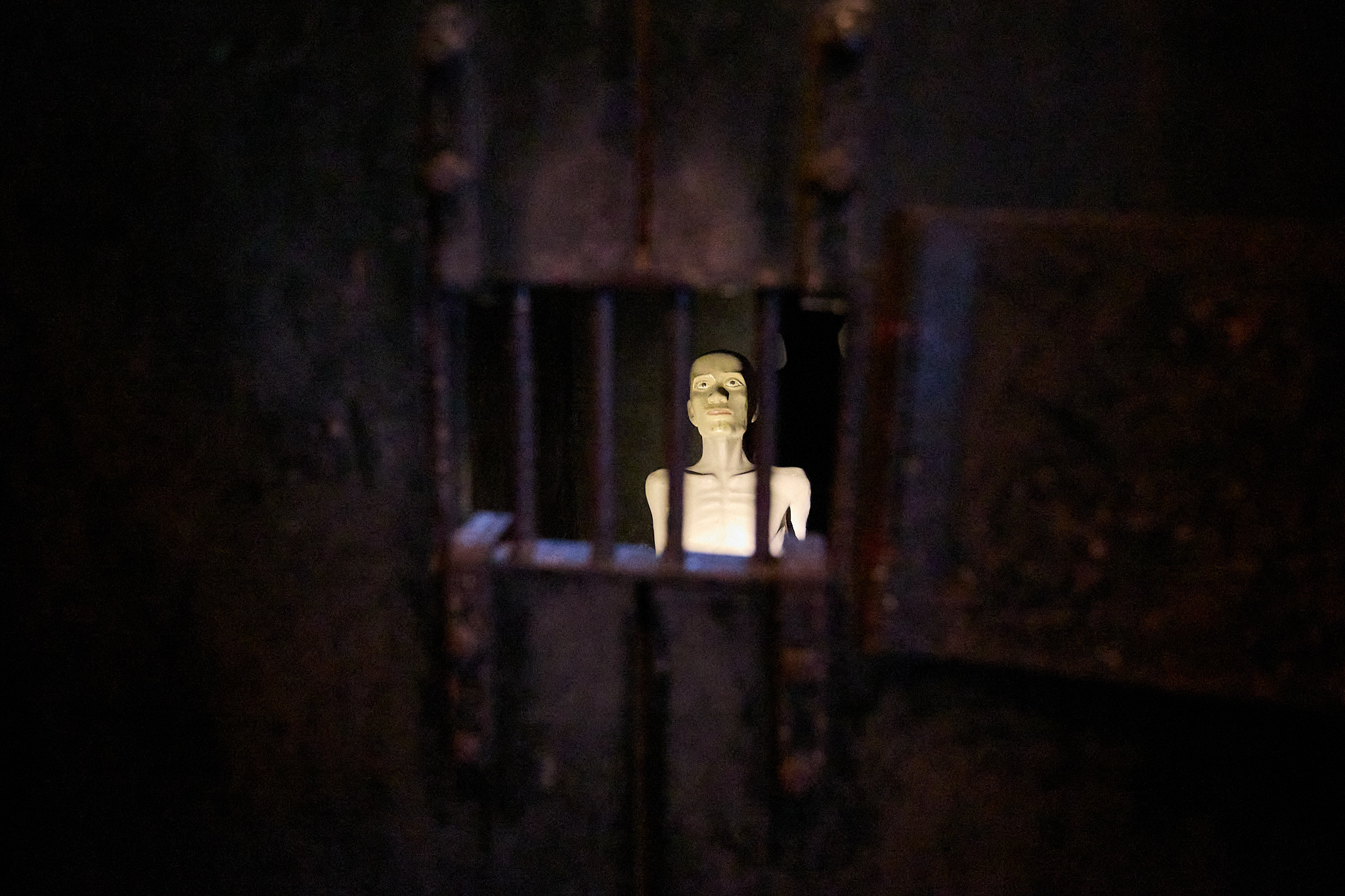
The rest came in from outside: saw blades, acid and a map of the sewers. While the bars were being sawn through, other prisoners scraped the lids of milk tins on the cement floor to cover the noise.
They had planned to go on 29 December. When the prison tightened its checks, they moved it forward to seven in the evening of the 24th. Christmas Eve, as it happened.
That night they went down into the sewer from the yard of the death-row block. It was deep, dark and full of human waste. When they climbed out, one by one, into a street nearby, sirens went off, and most of them were caught again that same night.
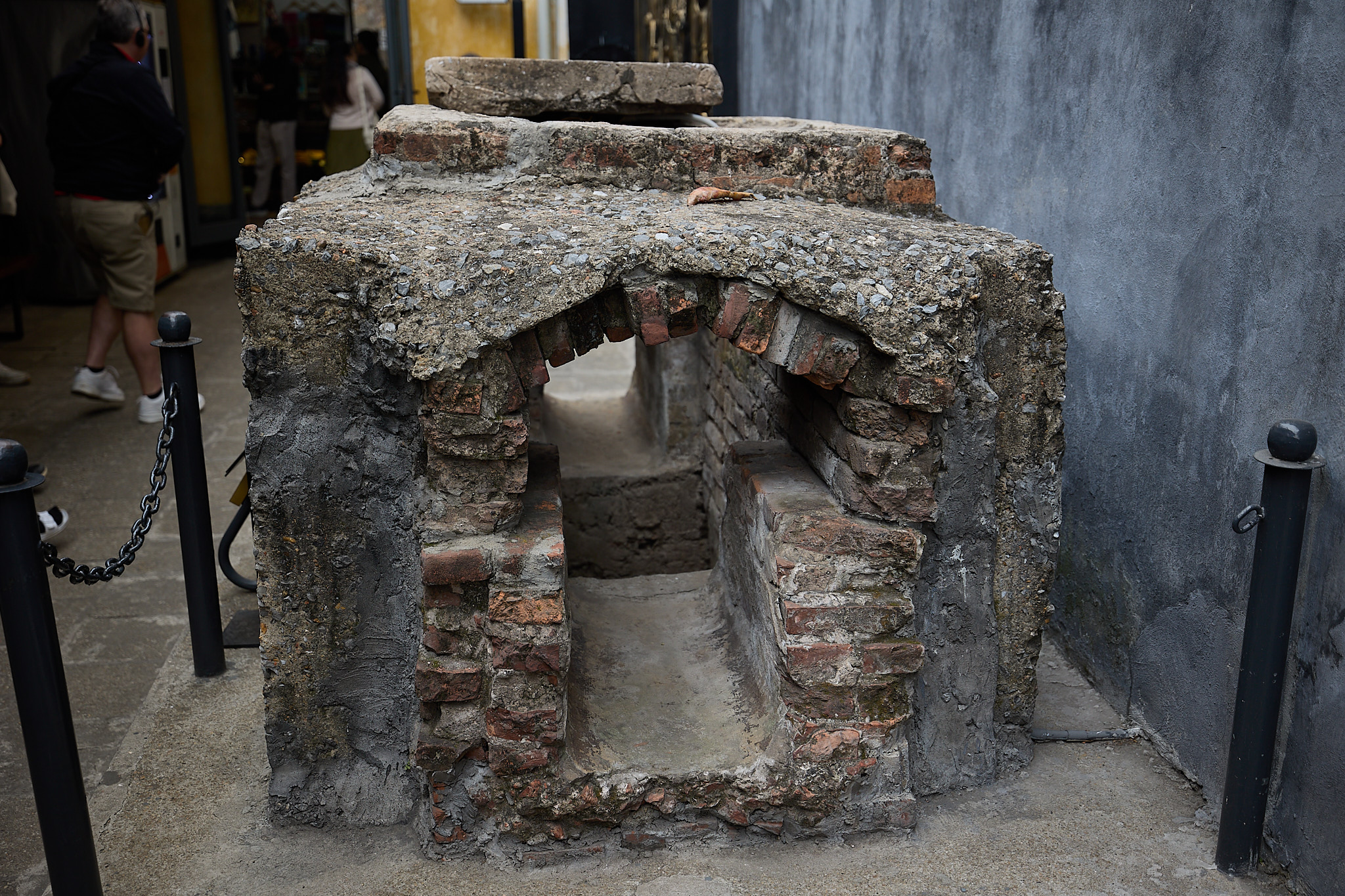
By Christmas morning, five of them were gone for good.
The women’s section
Women were held at Hỏa Lò too. The women’s section had a cell for mothers with small children, and in the display, a woman lies on the platform while another holds a small cup to her lips. A little girl holds on to the arm that holds the cup.
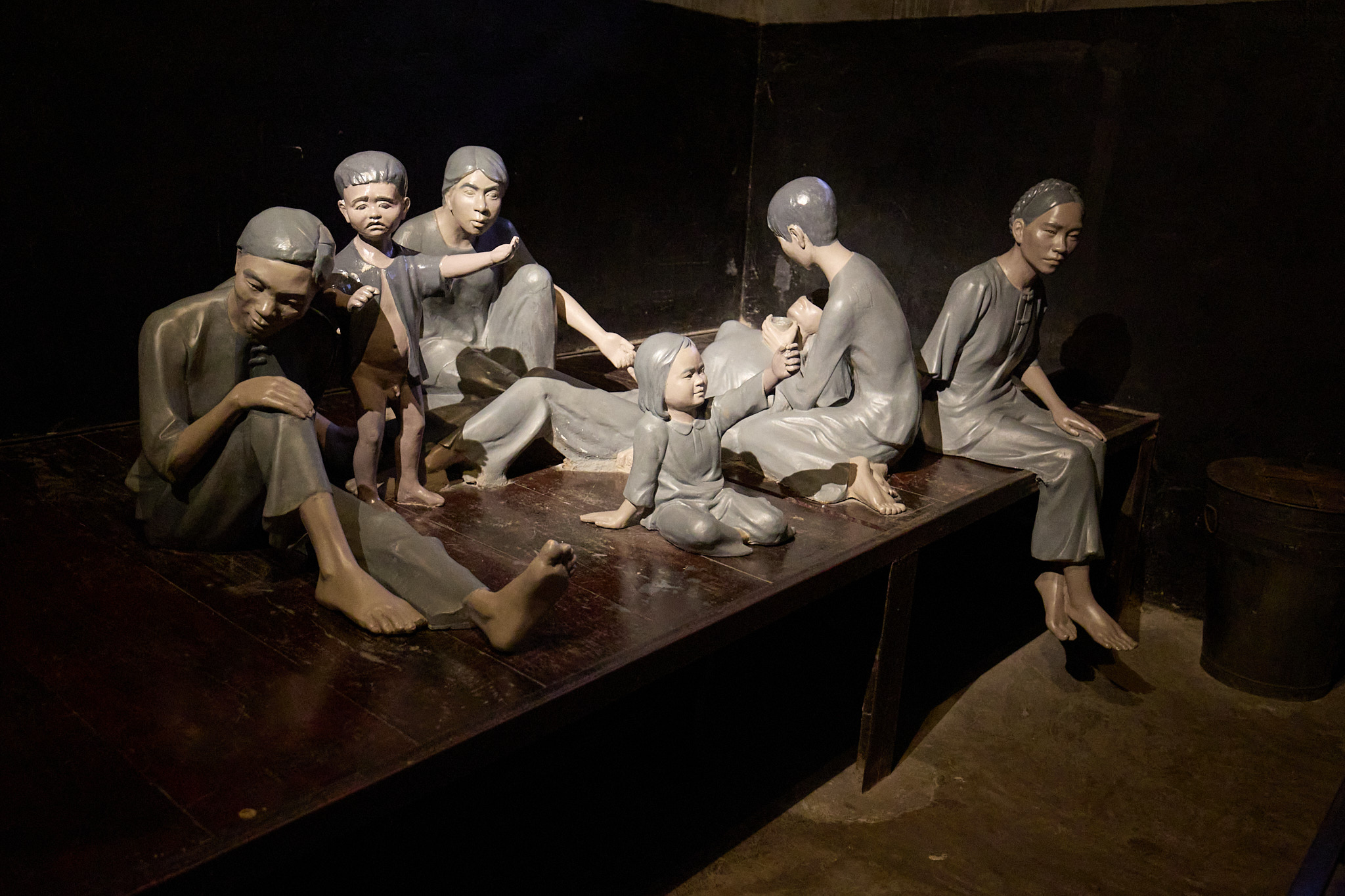
One of the women here in the 1940s was Nguyễn Thị Quang Thái, a revolutionary and the wife of Võ Nguyên Giáp, later the commander at Điện Biên Phủ. A fellow prisoner remembered that they had no paper and no pen, so they wrote on the cement floor with pieces of soft brick, and Quang Thái taught them. The floor was the notebook.
When typhoid broke out in the prison in the winter of 1943–44, she nursed the sick until she fell ill herself. She died in 1944.
The guillotine
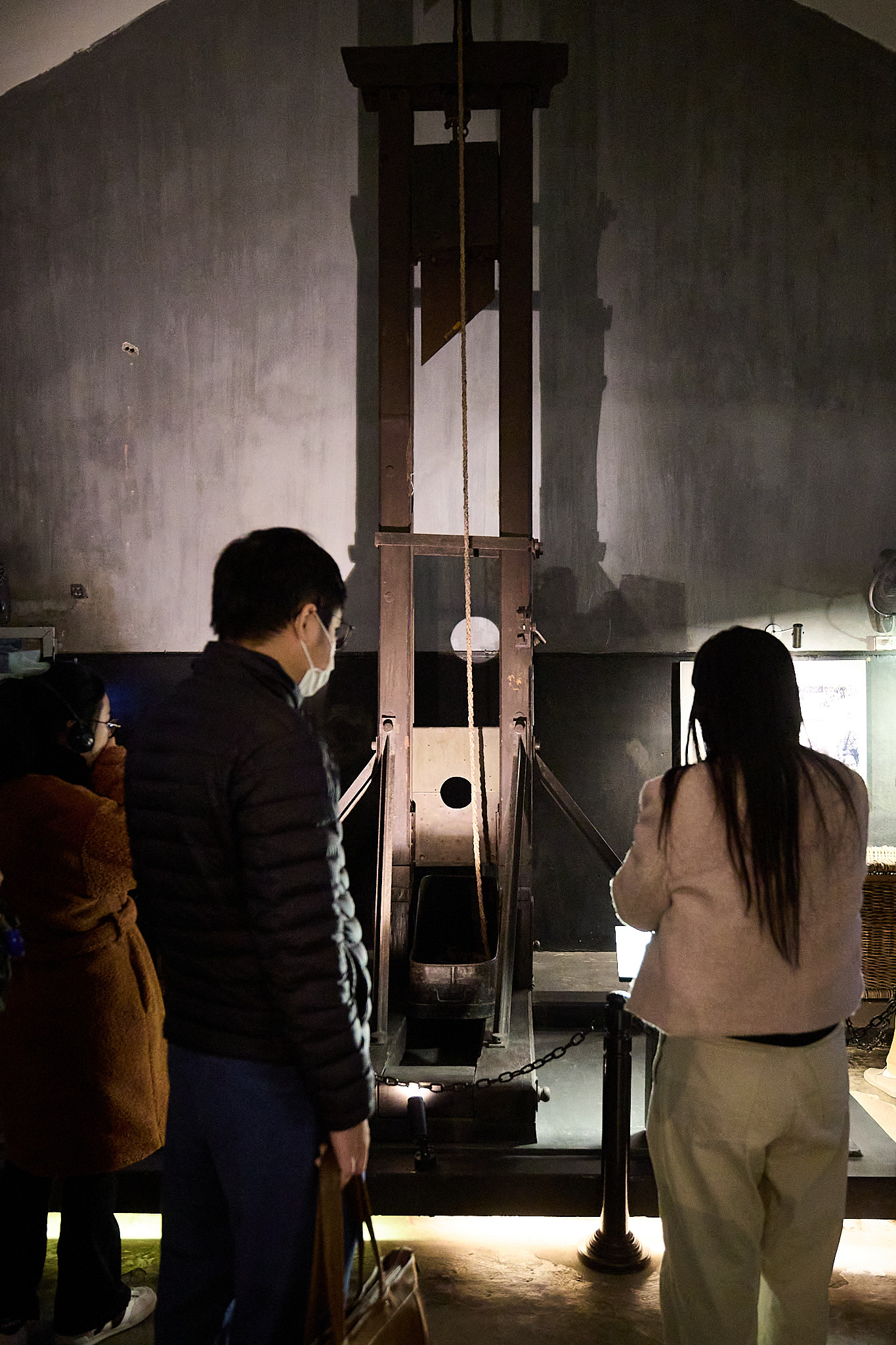
Then there is the guillotine. The French brought two to Hanoi at the end of the nineteenth century, and one of them stands here, its blade raised. It looks as if it had been built into the room. It had not: it could be taken apart and sent wherever it was needed.
In June 1930, the executioner at Hỏa Lò was ordered to get a guillotine ready and take it to Yên Bái, northwest of Hanoi. There, at dawn, thirteen members of the Vietnamese Nationalist Party were executed, among them their leader, Nguyễn Thái Học.
The Hanoi Hilton
In 1954, the French left Hanoi, and the prison changed hands, though not its purpose: it went on holding ordinary prisoners. Ten years later, it had new ones. From 1964 to 1973, part of it held American airmen shot down over North Vietnam, who called it the Hanoi Hilton. The hotel chain had nothing to do with it.
In December 1972, B-52s bombed Hanoi for twelve days, and airmen captured from the bombers that were shot down were brought here. The men already inside were as afraid of the bombs as anyone. Part of one of those bombers is still in a lake across town.
In the rooms about the Americans hangs a painting of Santa Claus driving a steam train. Behind him, a wagon carries a Christmas tree, a present and candy canes, and the carriage after that is hung with bells. No reindeer. The label says American pilots drew it in the prison, and nothing more: not who, not when.
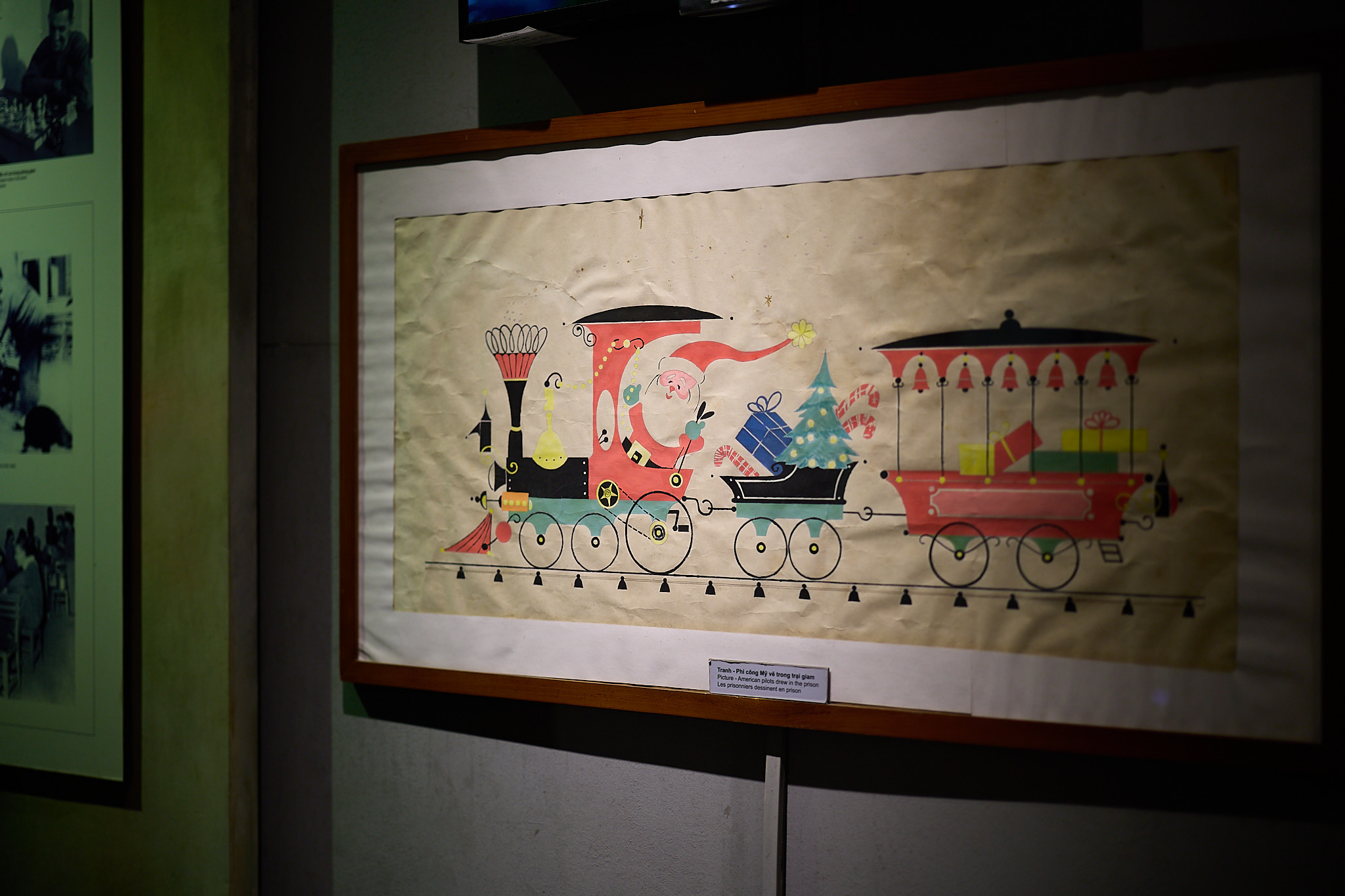
The museum’s version of those years has the prisoners decorating a Christmas tree, playing basketball and having their injuries treated by Vietnamese doctors, and calls their treatment humane. In 1966, a captured American pilot, made to give a television interview, sent out a different message. He blinked it into the camera in Morse code: T-O-R-T-U-R-E.
His name was Jeremiah Denton, and Hỏa Lò was one of the places he was held. Out loud, he told the interviewer that whatever the position of his government was, he supported it “fully”. His captors heard that part, and it angered them. The blinking went out with the footage, and U.S. intelligence read it. It was the first clear confirmation they had received that American prisoners were being tortured.
Denton was a prisoner for nearly eight years. He later guessed that his captors did not work out what his eyes had said until 1974, after he had gone home.
What is left
The Americans went home in 1973, but the prison did not close; it was still holding prisoners in the 1980s. In 1993, most of it was demolished to make way for high-rises, and the part that was kept became the museum.
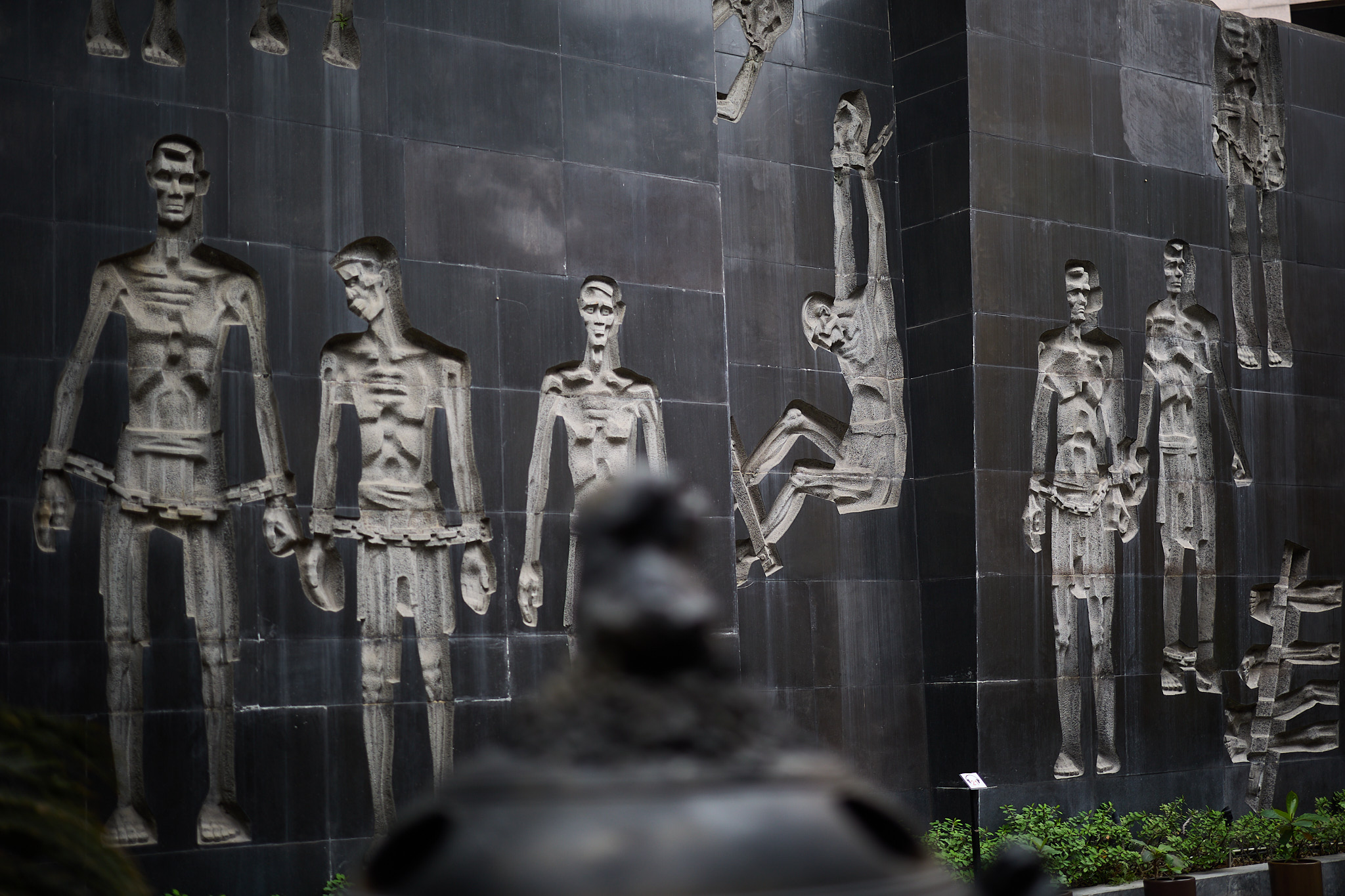
Near the end of the route, on a dark wall outside, thin figures in chains are carved in relief.
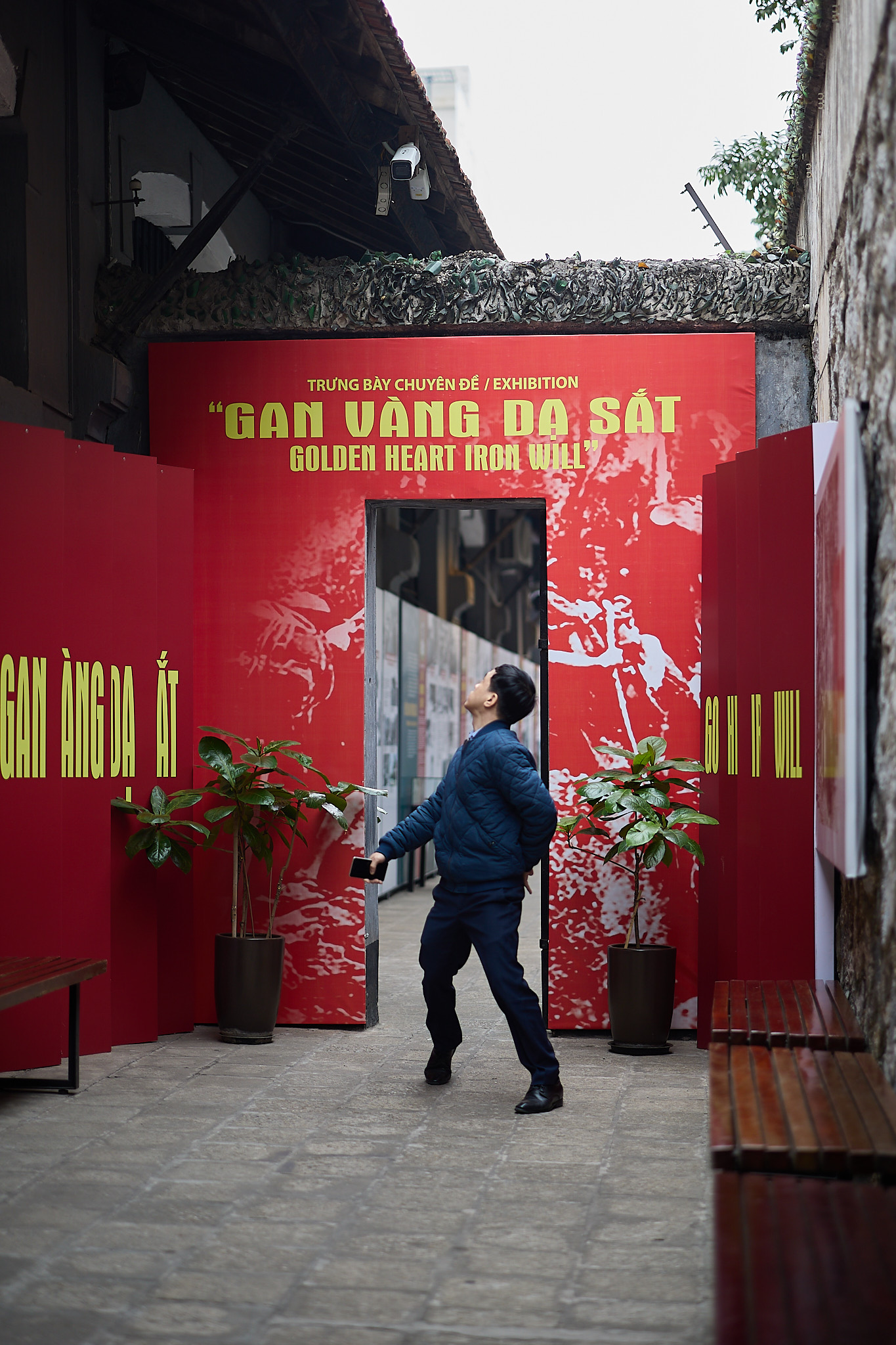
When I visited, a temporary exhibition had put up a bright red entrance of its own, with its name in English: Golden Heart, Iron Will. It marked eighty years of the Vietnam People’s Army, and it was about Võ Nguyên Giáp and eight other generals.
On Christmas Eve 1951, the way out of Hỏa Lò was through the sewer. In the next war, Santa came in by train, on paper.
Visit this place
Location
Hoa Lo Prison Relic (Di tích Nhà tù Hỏa Lò)
On Hỏa Lò Street in central Hanoi, west of Hoàn Kiếm Lake
1 Hỏa Lò Street, Hanoi, Vietnam
Practical Information
- Opening hours
- Daily, 8:00–17:00, including public holidays. No lunch break.
- Admission
- 50,000 VND. Half price (25,000 VND) for students with ID issued by a school in Vietnam’s national education system, Vietnamese citizens aged 60 and over and other eligible groups; free for children under 16. Tickets are sold at the main gate.
- Visitor note
- This is a former prison and a memorial site. Some displays deal with executions and torture.
- Official information
- Hoa Lo Prison Relic — daytime visits and tickets
Information last checked: November 24, 2026 (Opening hours, opening on public holidays and admission checked against the Hoa Lo Prison Relic’s official ticket page.)
Conversation
Comments
Review pending commentsComments are reviewed before appearing. The internet already contains enough unattended surprises.
Loading comments…
Leave a comment