Thang Long Imperial Citadel: Two Columns From Paris
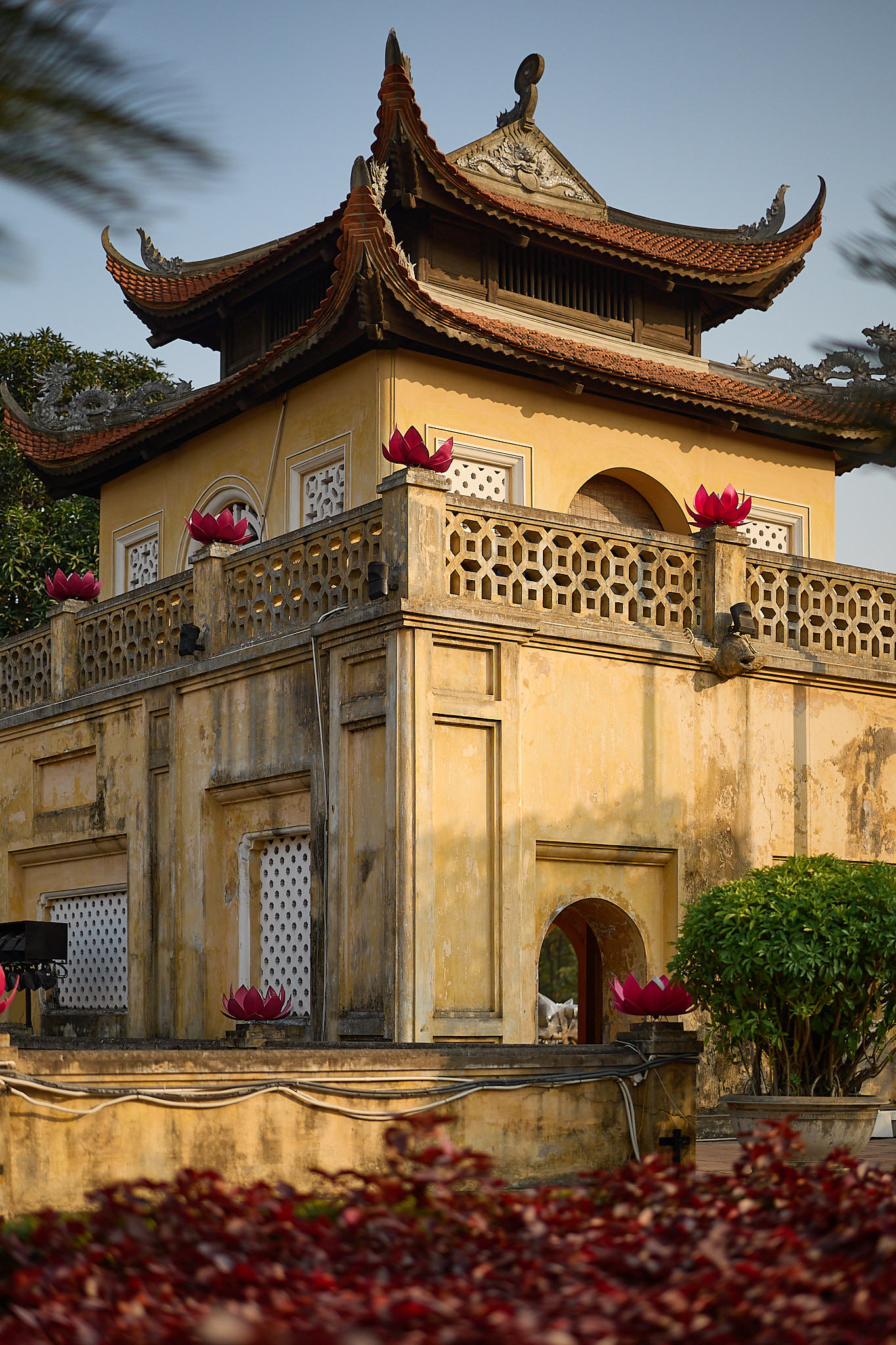
Two of the columns inside Hậu Lâu, the Rear Tower of the old citadel in Hanoi, were once swapped for iron ones, stamped with the name of a Paris firm: Baudet-Donon & Cie.
The tower was not built with Paris in mind. Emperor Minh Mạng put it up in 1821 and named it Tĩnh Bắc, a wish for the North to stay calm. It was a Taoist building, with gods enshrined inside.
Then the French took the citadel. They blocked up the tower’s doors and windows, put an antenna on the roof and used it as a defensive post. Later, they built a hall onto the back, and the iron columns went in.
The French called it the Pagode des Dames, the Ladies’ Pagoda. The heritage centre’s own English website calls it the Princess Palace, home to queens and princesses. In 2024, a study published by the same centre went back to the records and called it what it had been built as: a Taoist tower. The website still says Princess Palace.
The gate
Hậu Lâu is not the only part of the citadel that has been given a second job.
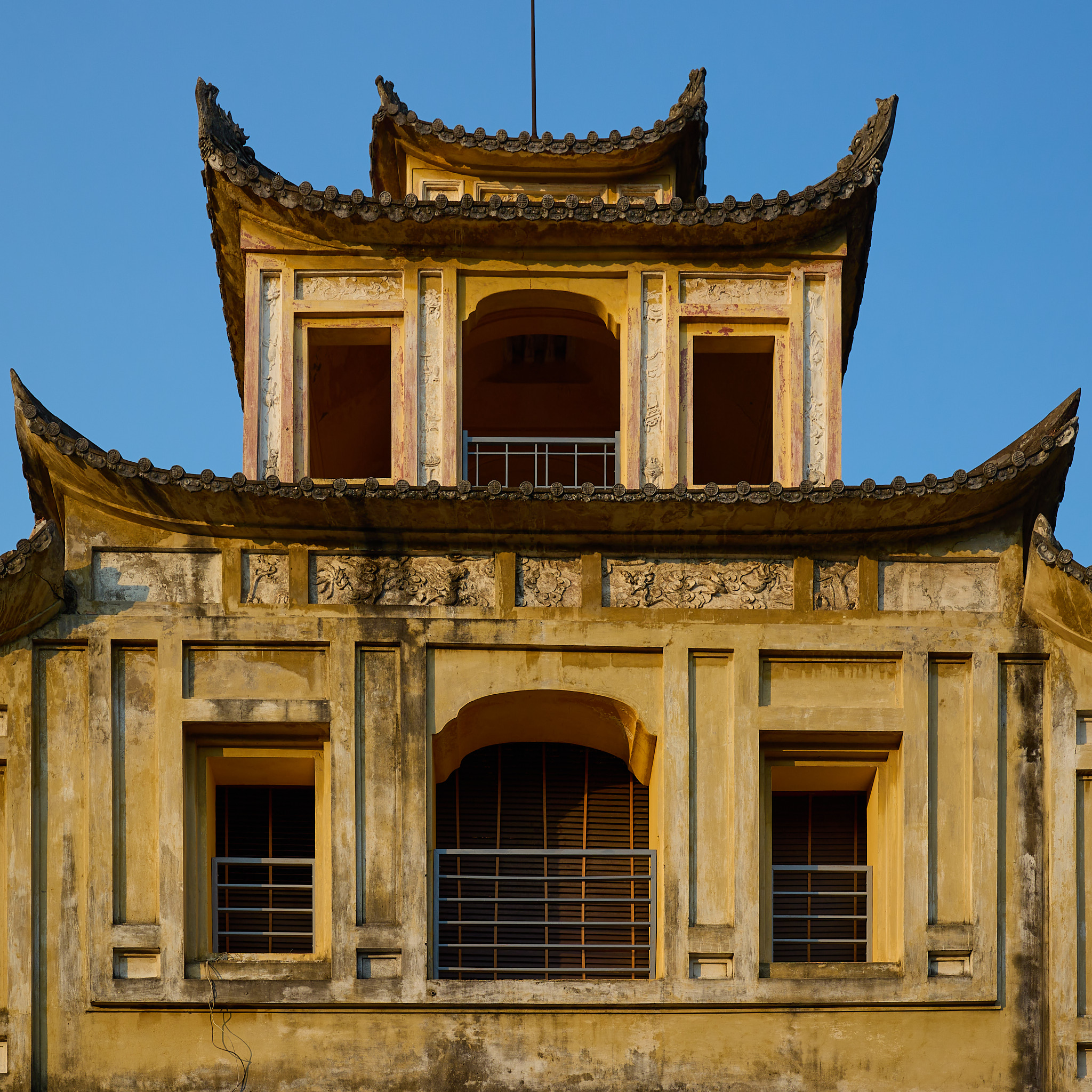
The main gate, Đoan Môn, was built under the Lê dynasty and repaired by the Nguyễn. The pavilion on top was later converted for military use, and how it first looked has yet to be worked out.
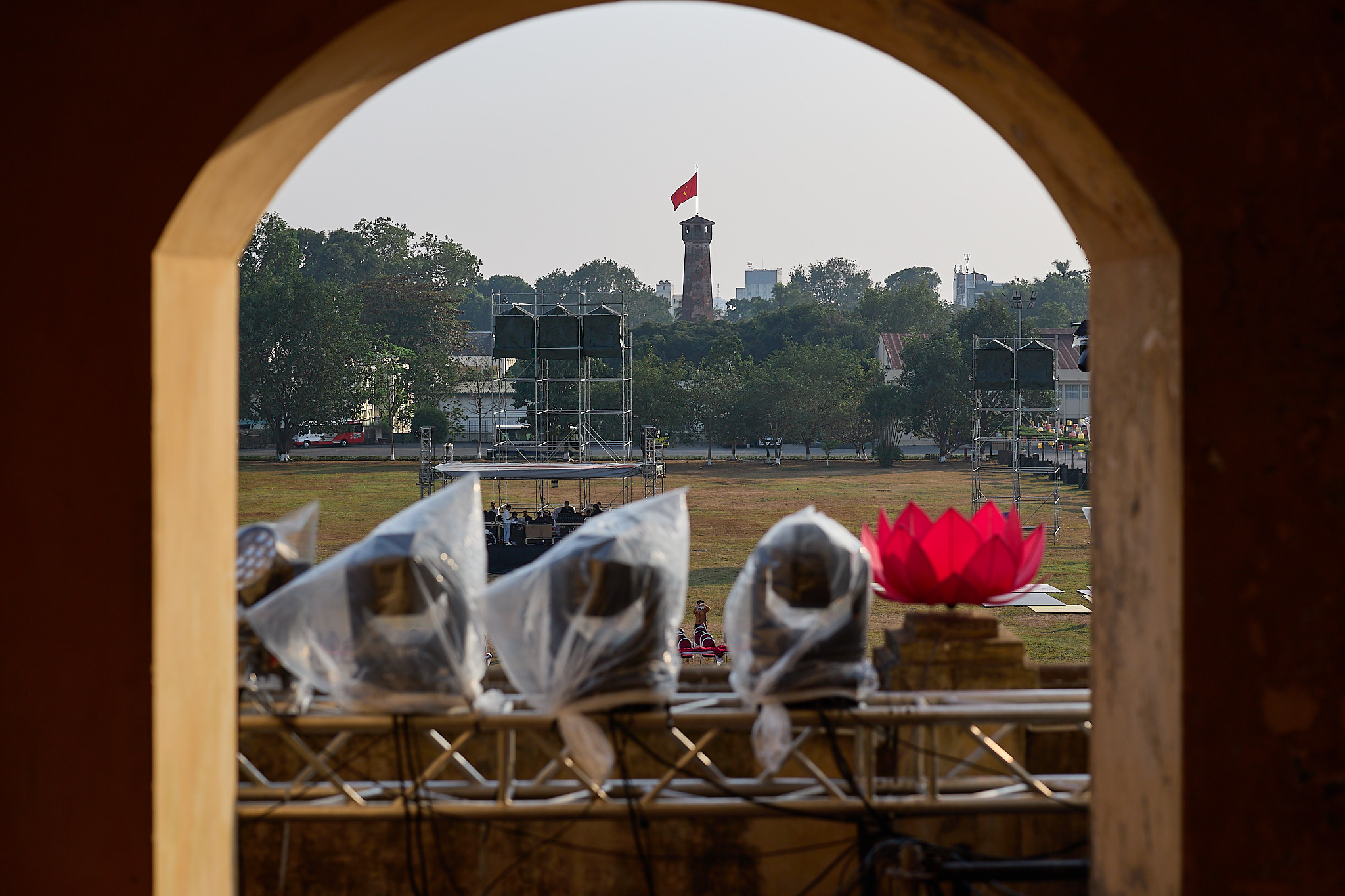
I climbed up. Through one of the pavilion’s arches, I could see that the lawn to the south had become an event ground, with a stage, a sound system and a giant lotus. Beyond the trees, at the far end of the citadel’s axis, stood the flag tower.
The ground under the gate has been reused as well. Archaeologists digging at its foot in 1999 found a courtyard laid by the Lê, and beneath it, a road from the earlier Trần dynasty.
The Trần had paved it partly with old bricks from the Lý, the dynasty before them.
The throne hall
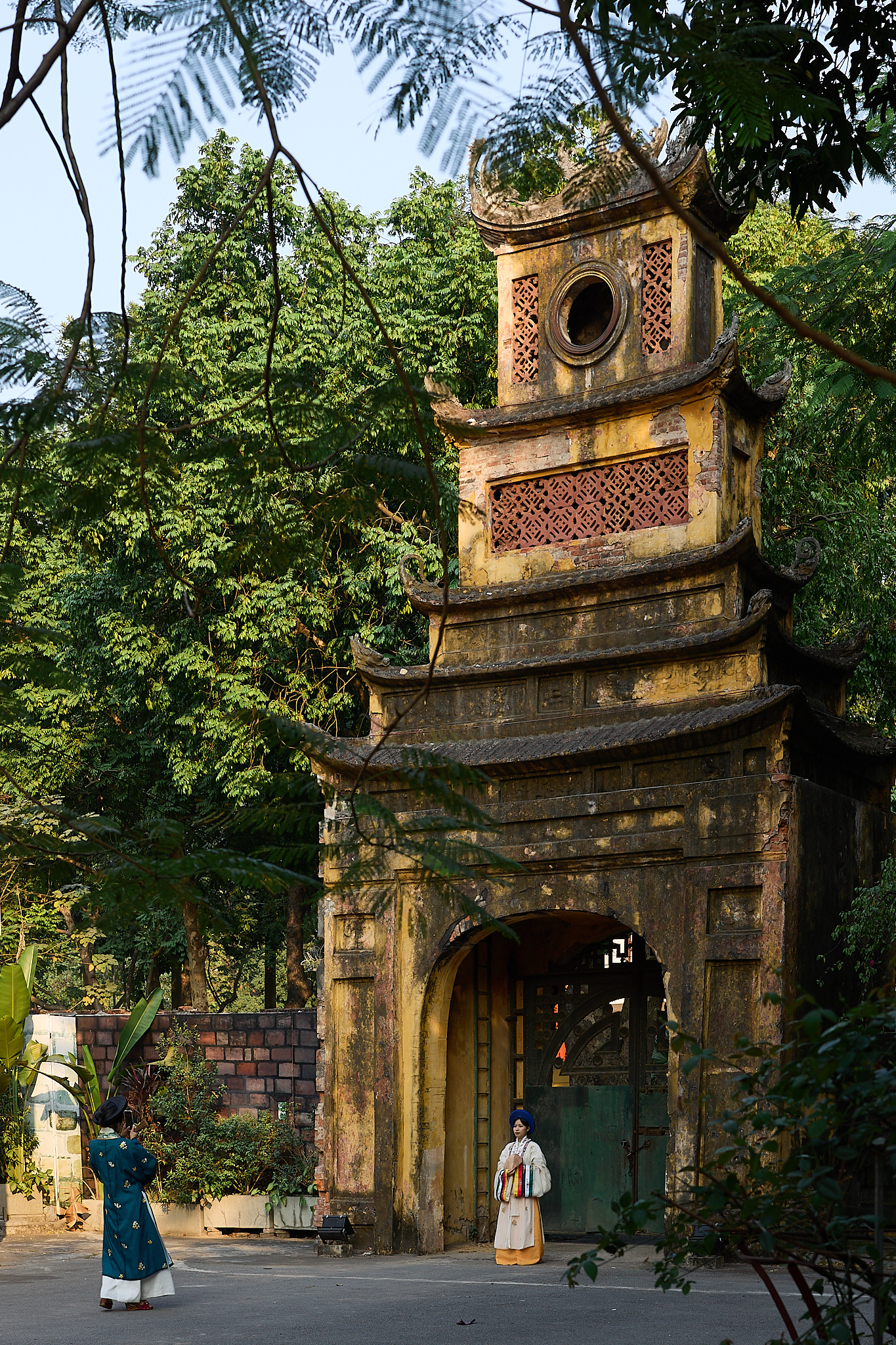
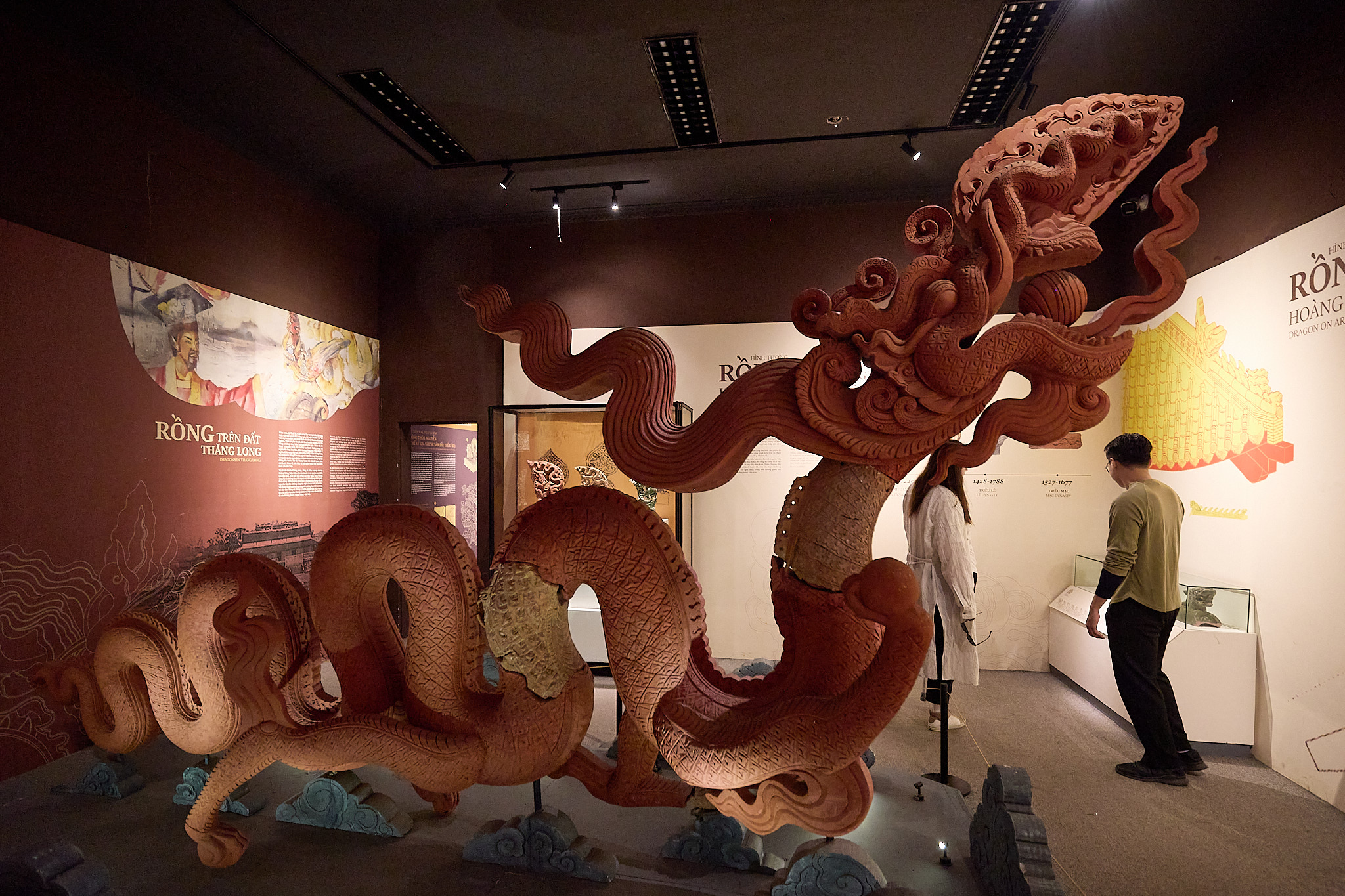
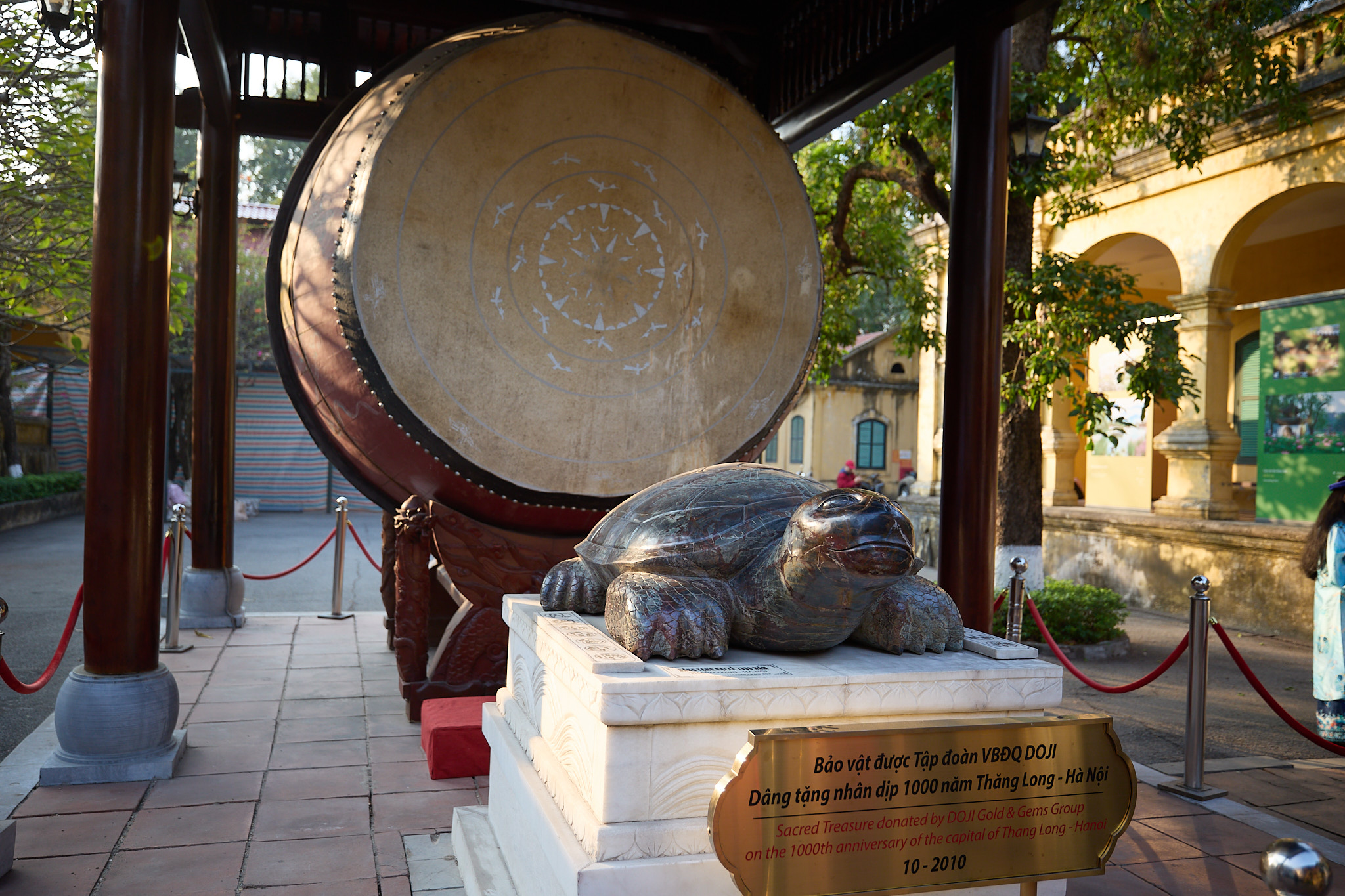
At the centre of the citadel stood Kính Thiên, the throne hall. In the 1880s, the French pulled it down and put an artillery headquarters on its platform, a building known as the Dragon House after the stone dragons on the old steps. After 1954, the area became the workplace of Vietnam’s Ministry of Defence, and nearby, the army dug rooms under the ground: another story altogether.
A gate without a festival
Earlier that afternoon, I had walked past another gate. It stood indoors: a mock-up of an old town gate under a sign reading “Happy Mid-Autumn Festival”, with a lion head hanging on either side and carp lanterns over the arch.
Mid-Autumn, the children’s festival, had been on 17 September. A family was walking out through the gate anyway.
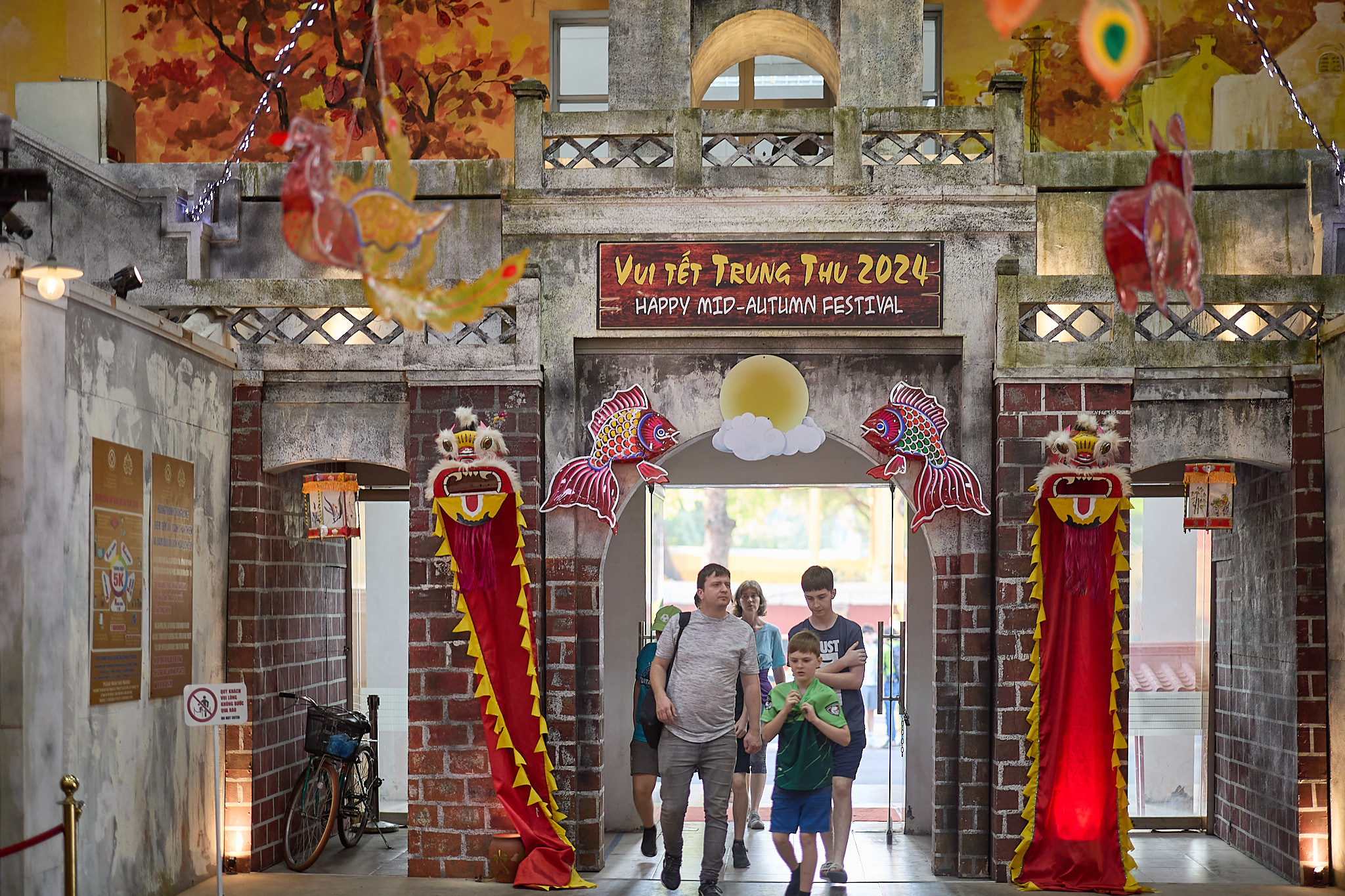
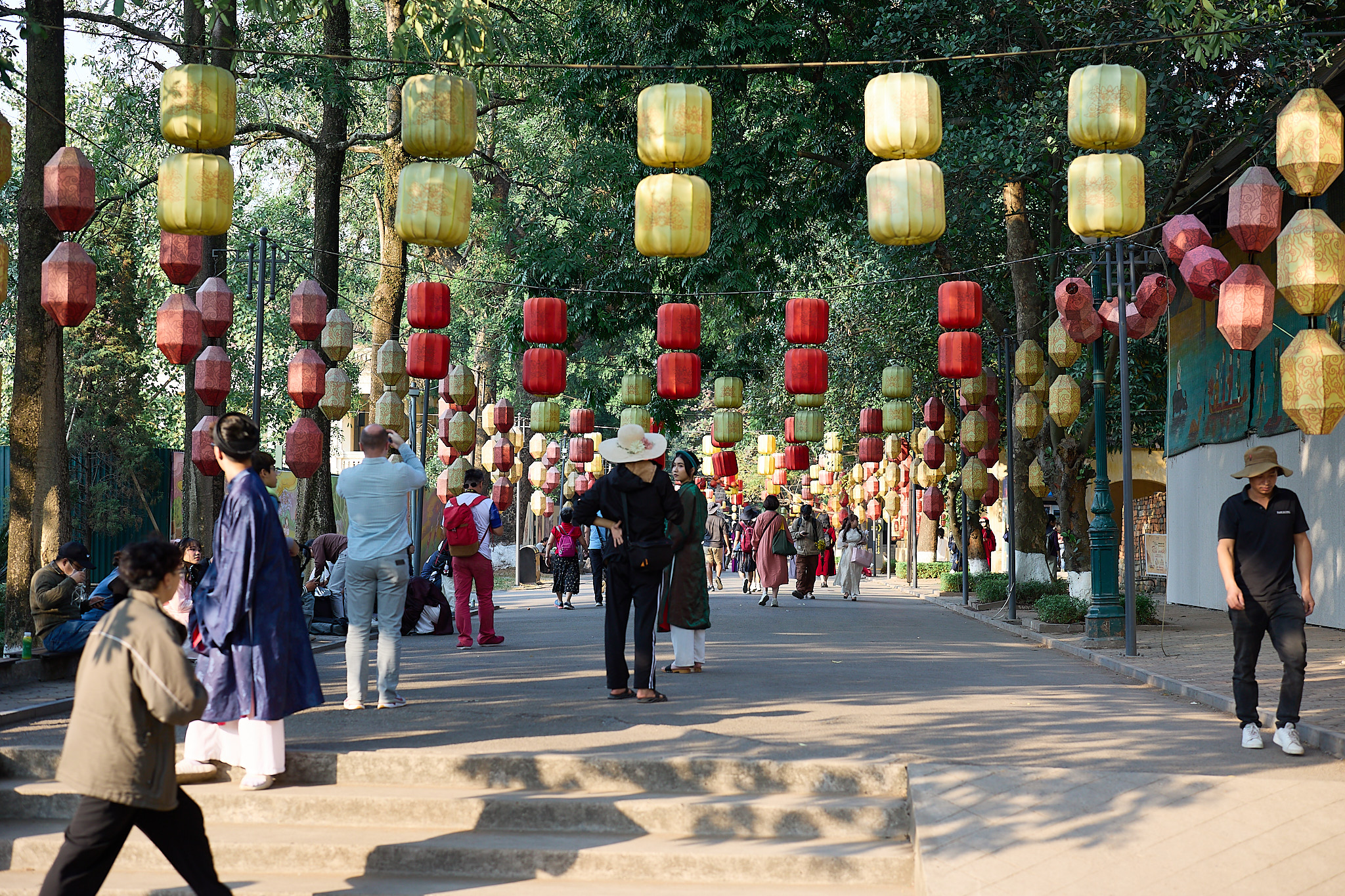
The festival was long over. In a citadel full of gates that have outlived what they were built for, this one fitted right in.
Visit this place
Location
Imperial Citadel of Thang Long (Hoàng thành Thăng Long)
In Ba Đình, central Hanoi, north of the Hanoi Flag Tower and a short walk from the Ho Chi Minh Mausoleum
19C Hoàng Diệu, Hanoi, Vietnam
Practical Information
- Opening hours
- Daily, 8:00–17:00
- Admission
- 100,000 VND per person, the same for Vietnamese and international visitors. Half price for students aged 16 and over and some other groups; free for children under 16.
- Visitor note
- You can climb up to the pavilion on top of Đoan Môn, the main gate. Exhibitions change; check at the entrance which buildings are open on the day.
Information last checked: November 3, 2026 (Opening hours, general admission and concessions checked against the heritage centre’s ticket pages (from January 2025). Individual-building access may vary.)
Conversation
Comments
Review pending commentsComments are reviewed before appearing. The internet already contains enough unattended surprises.
Loading comments…
Leave a comment